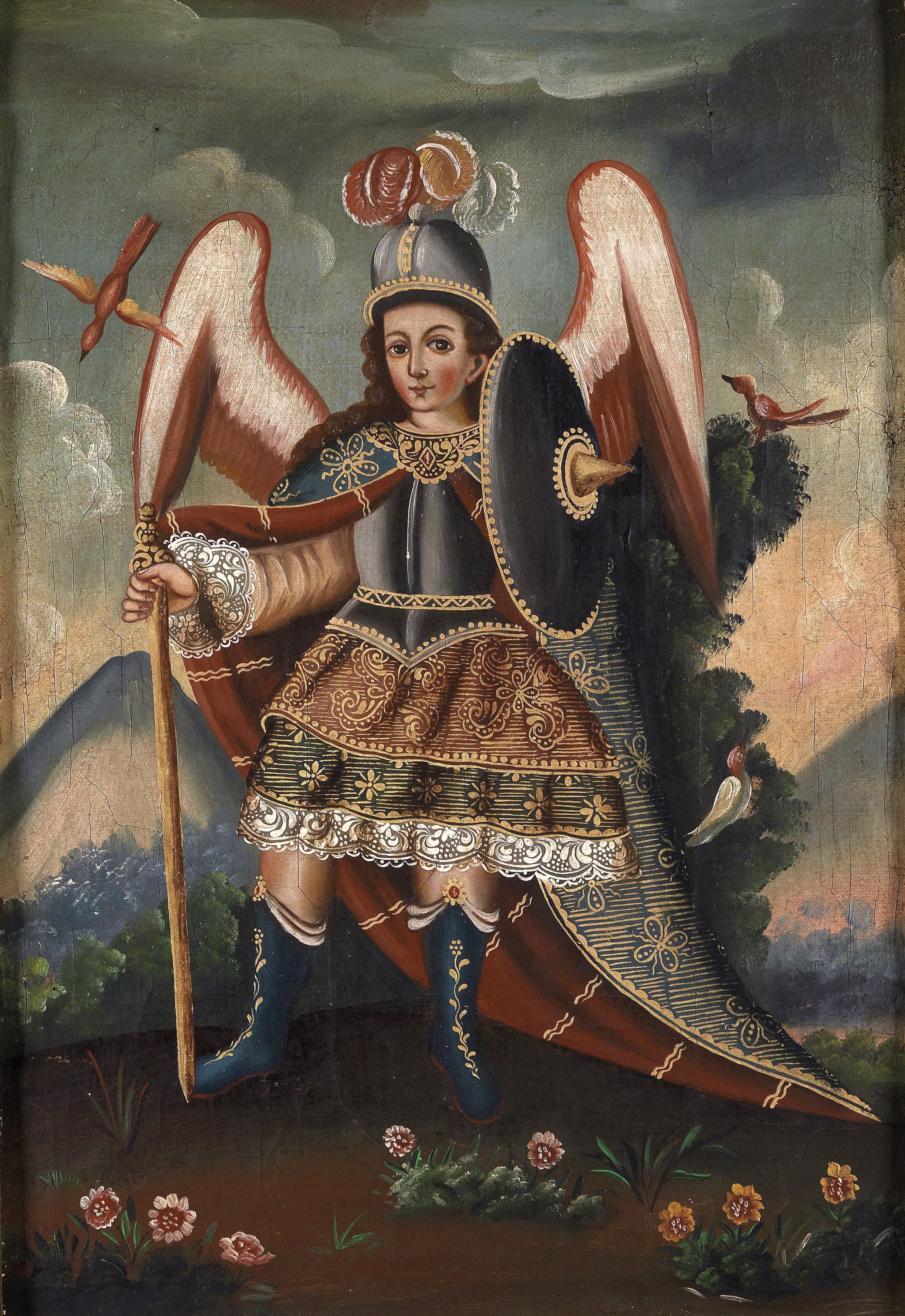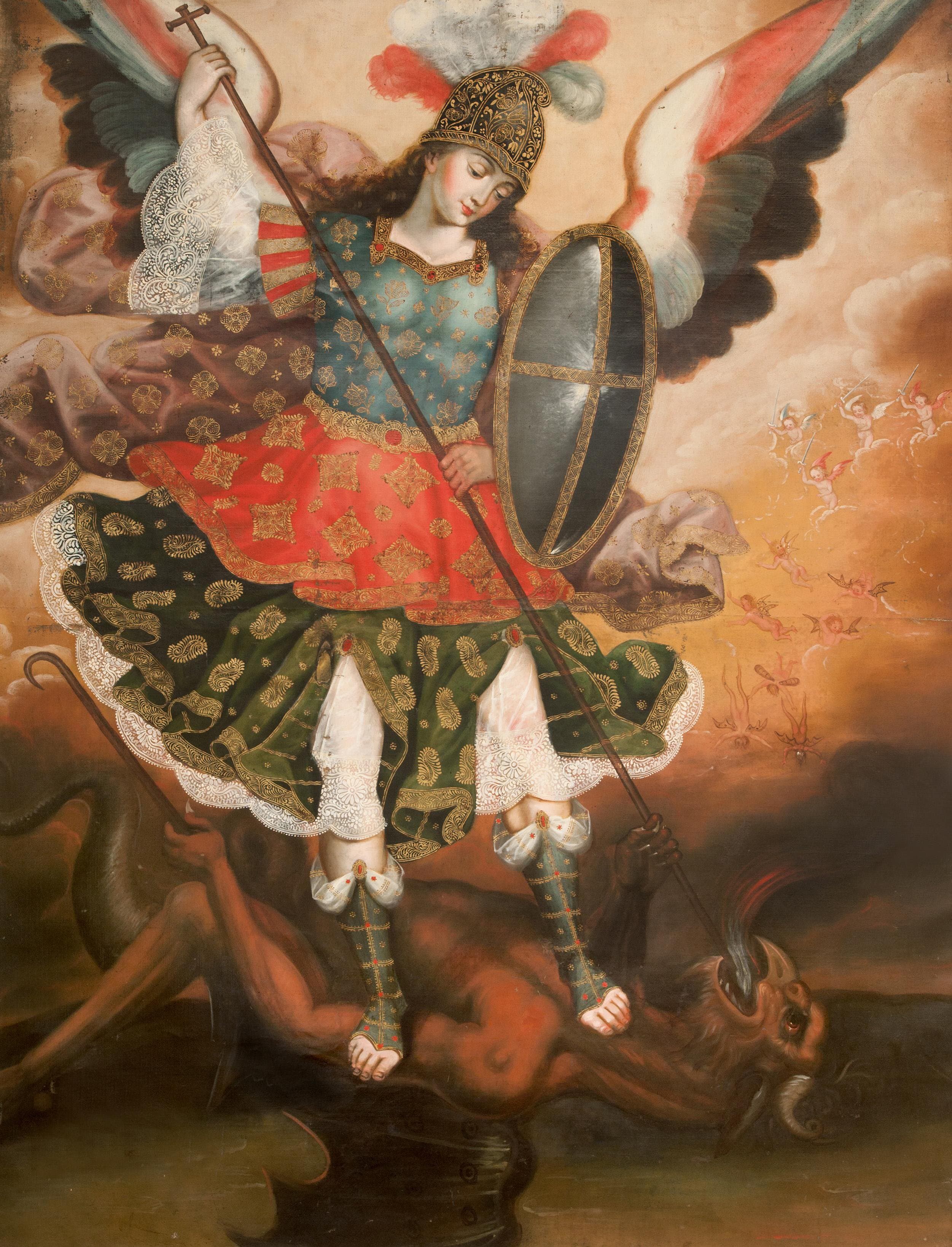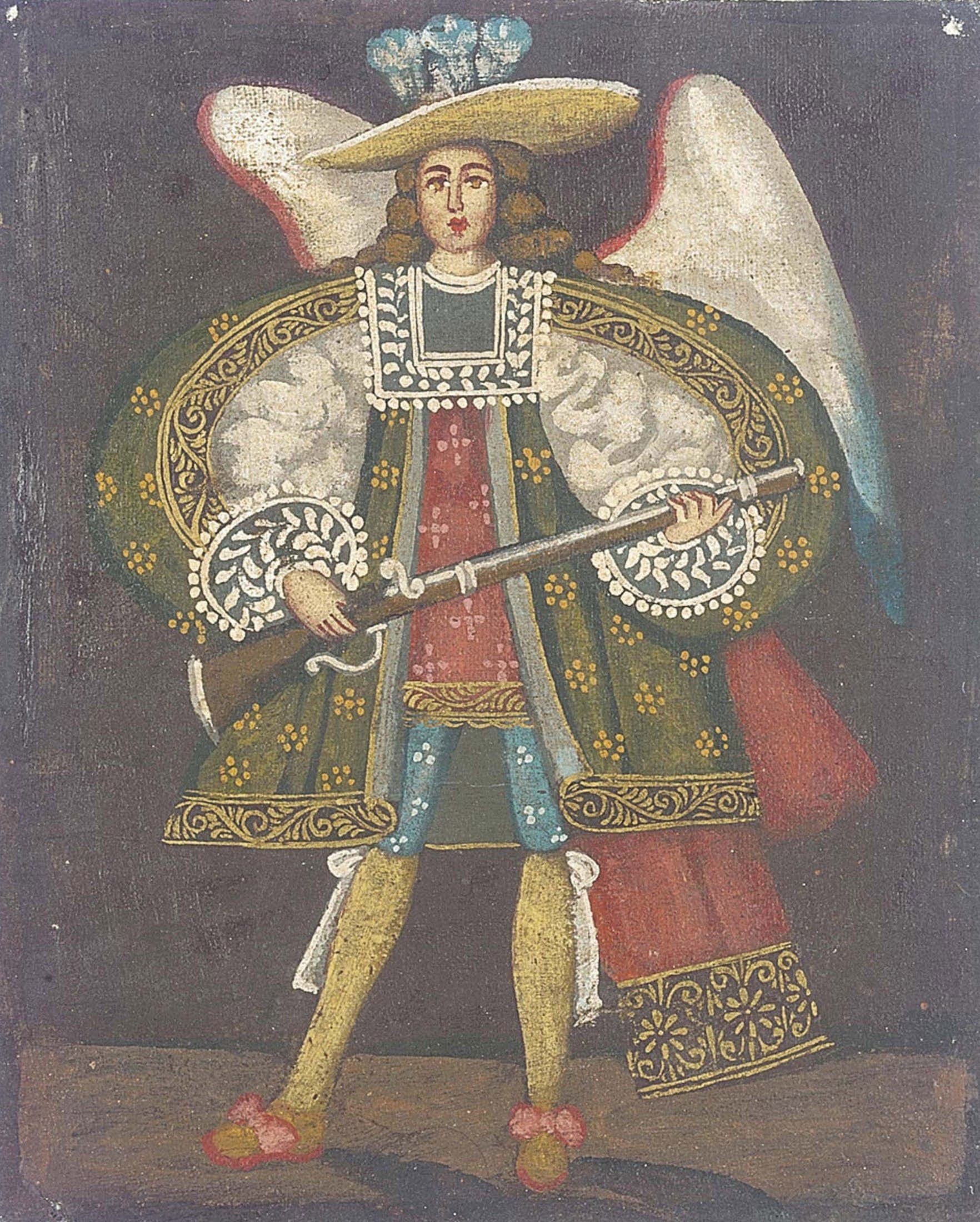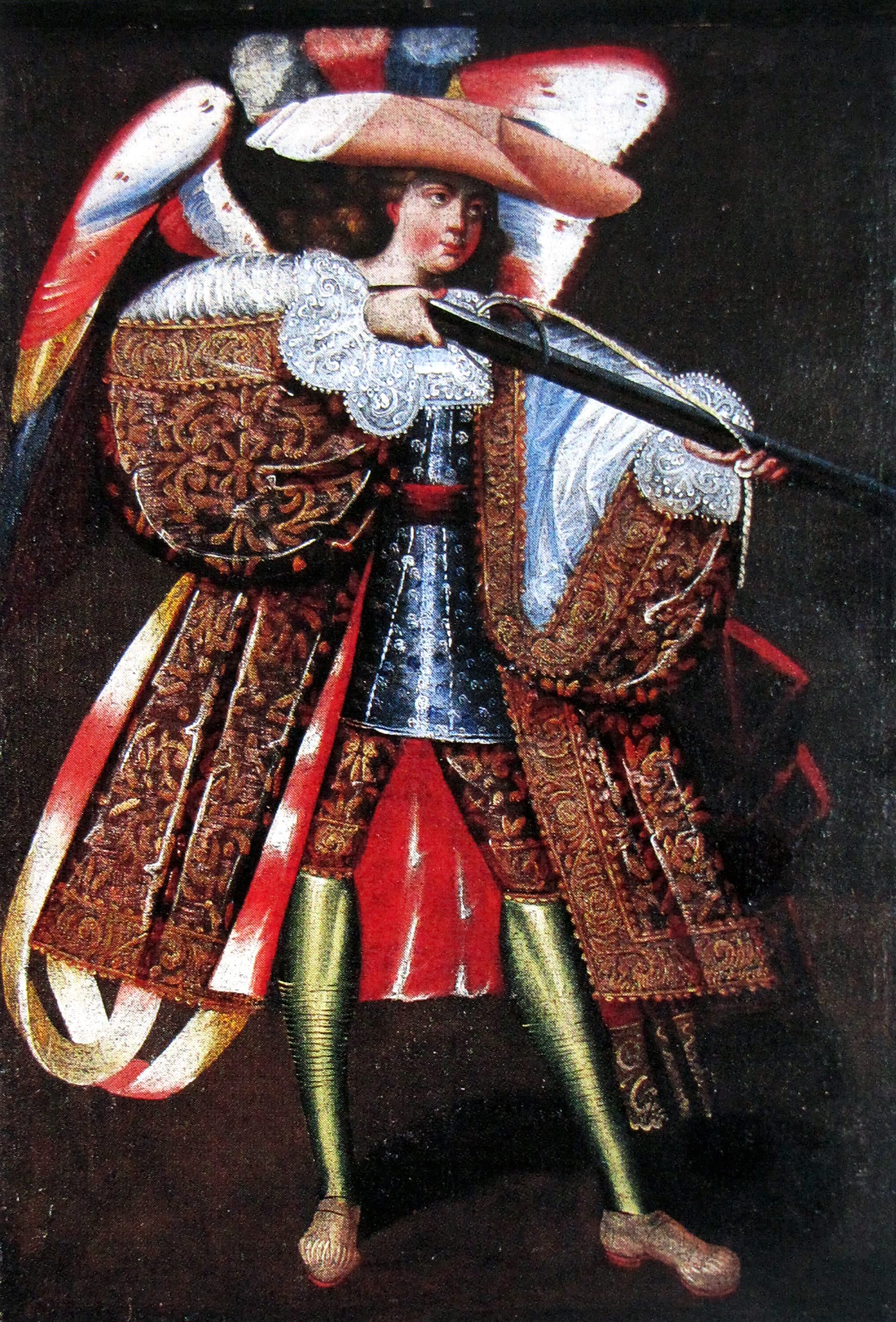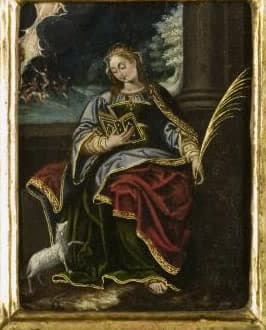
Faithful reproductions of the Cusco School
The baroque of the high Andes — brocade, gold, and the winged militia of heaven. Where Inca visual culture met Spanish Baroque religion, and made something neither had painted before.
4 collections · 41 verified works · printed to order
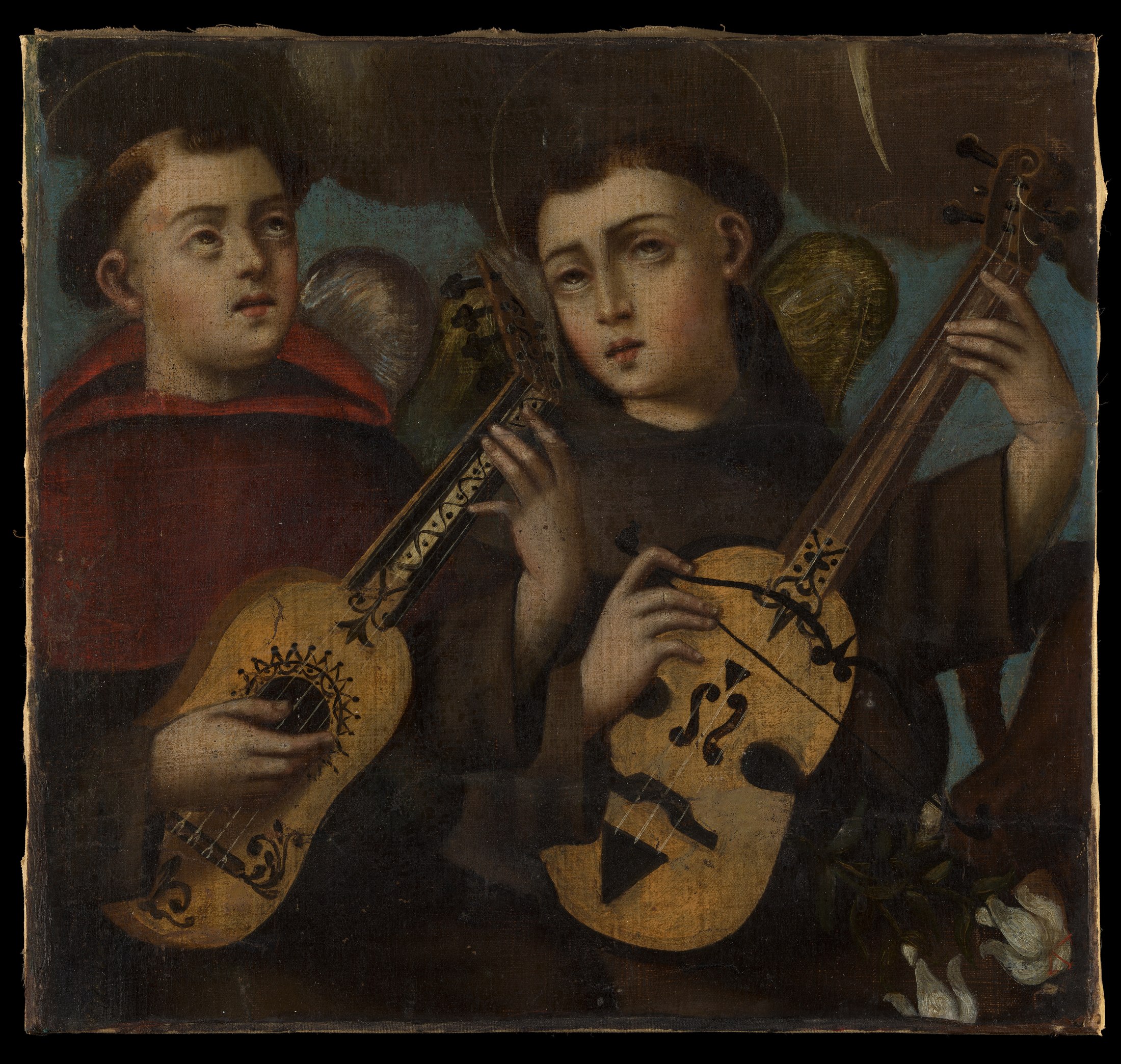
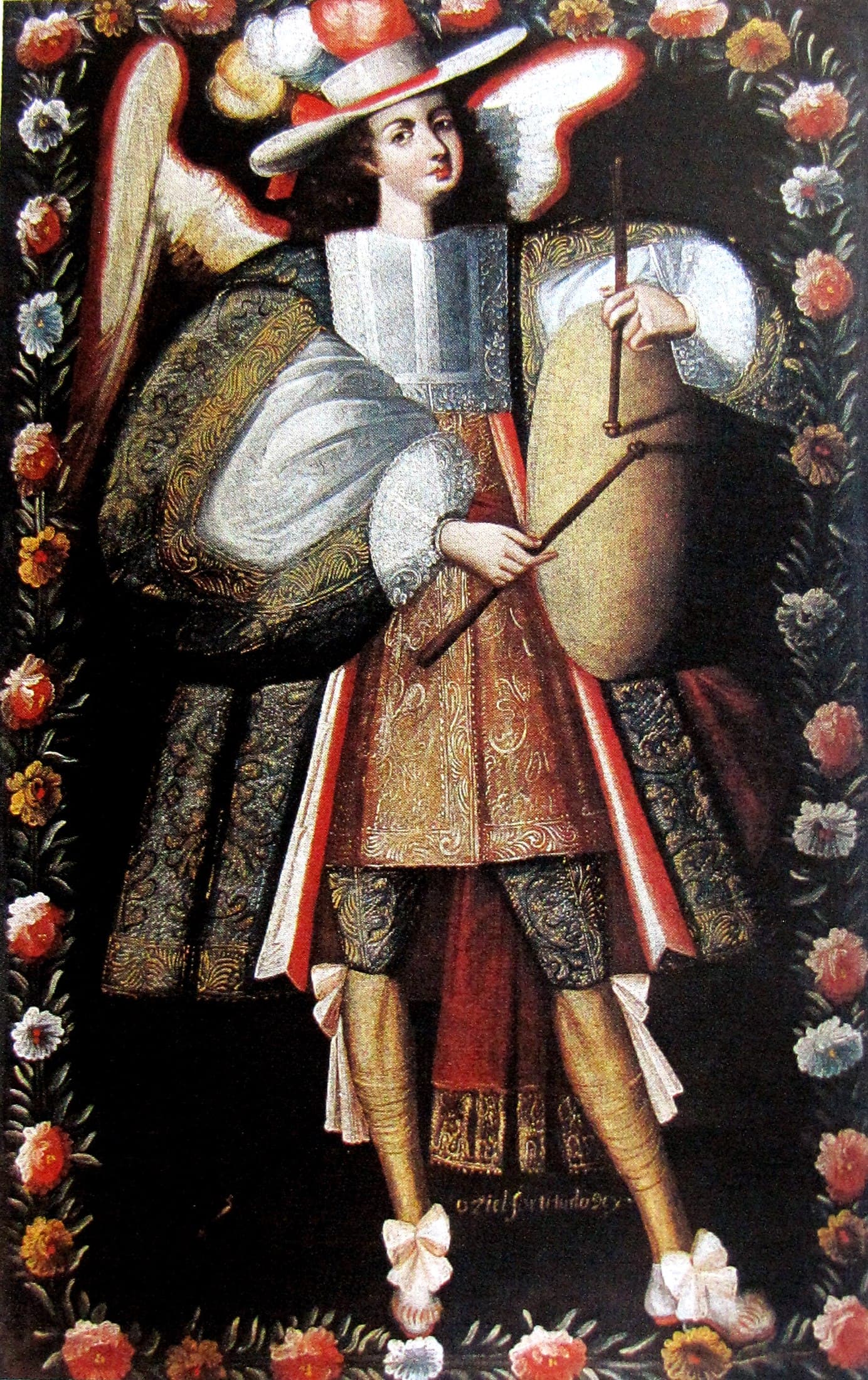
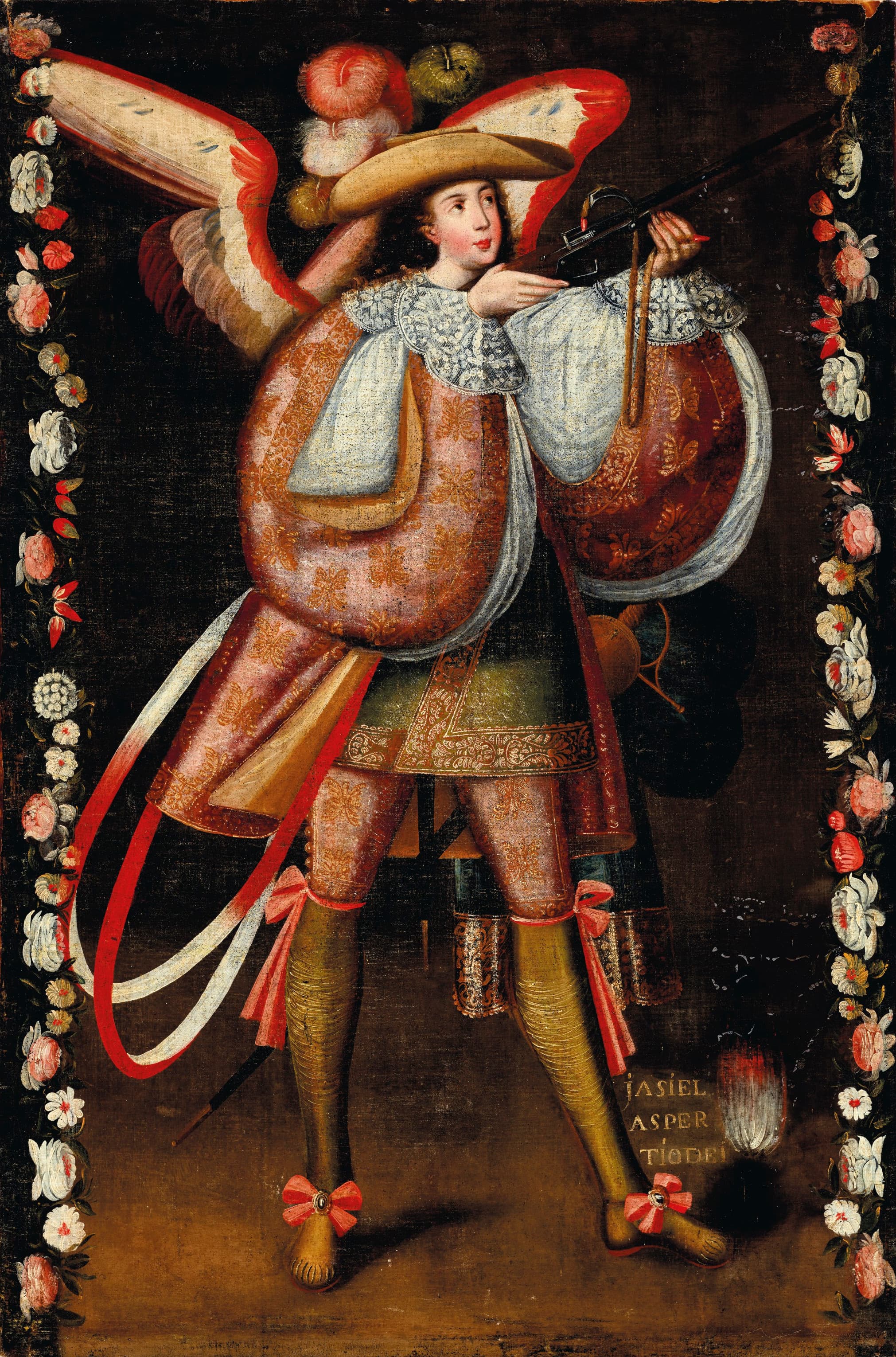
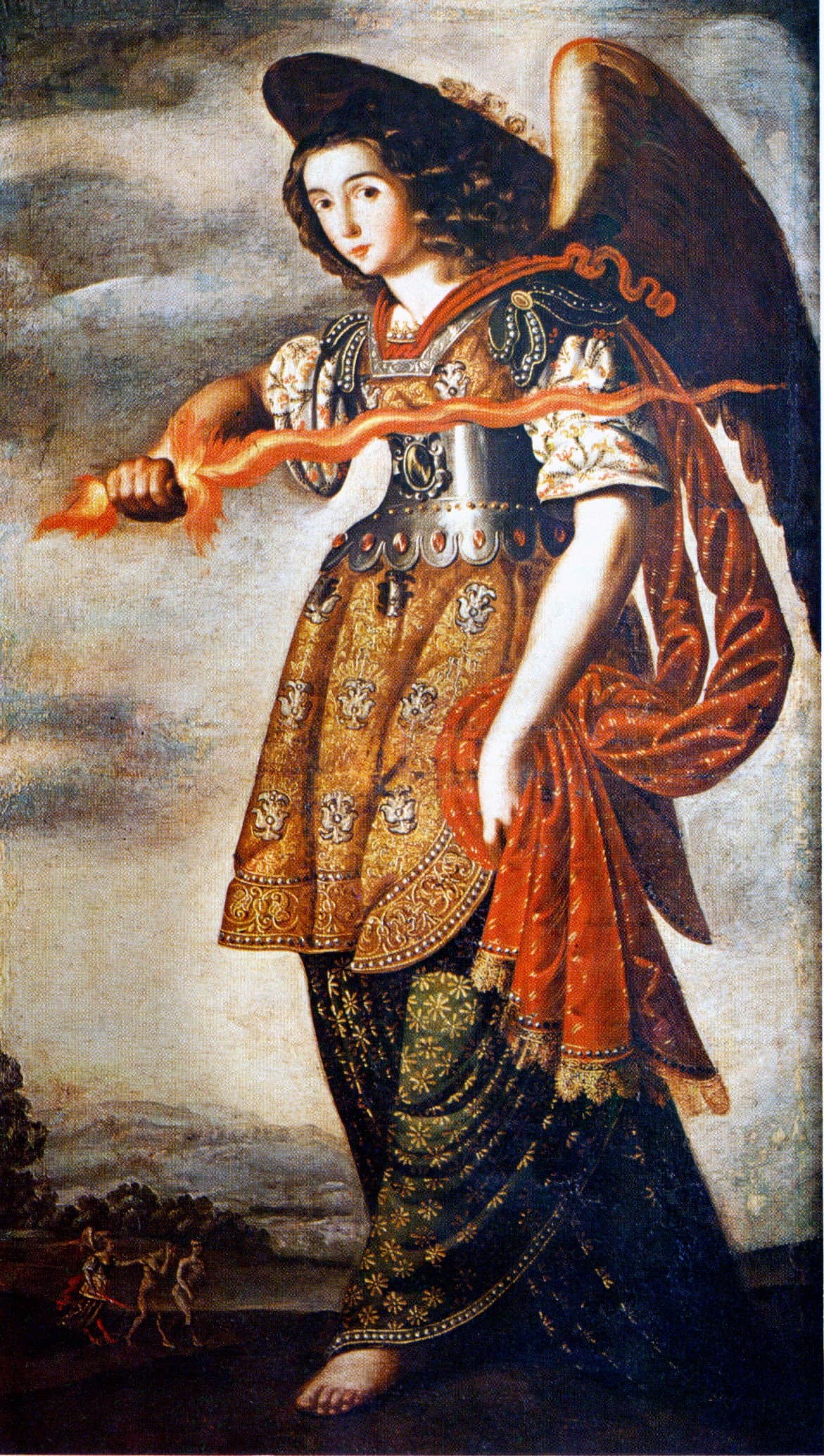
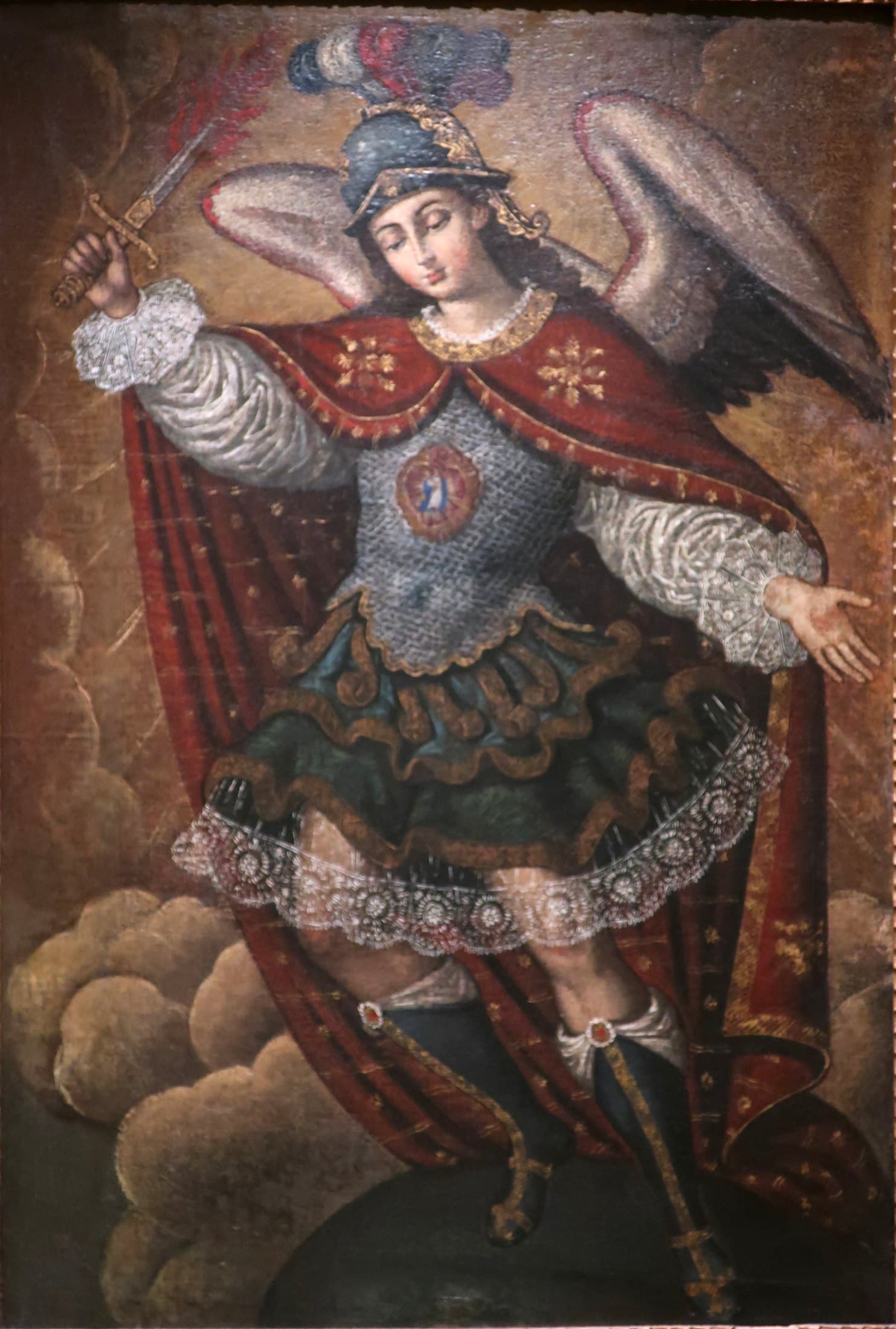
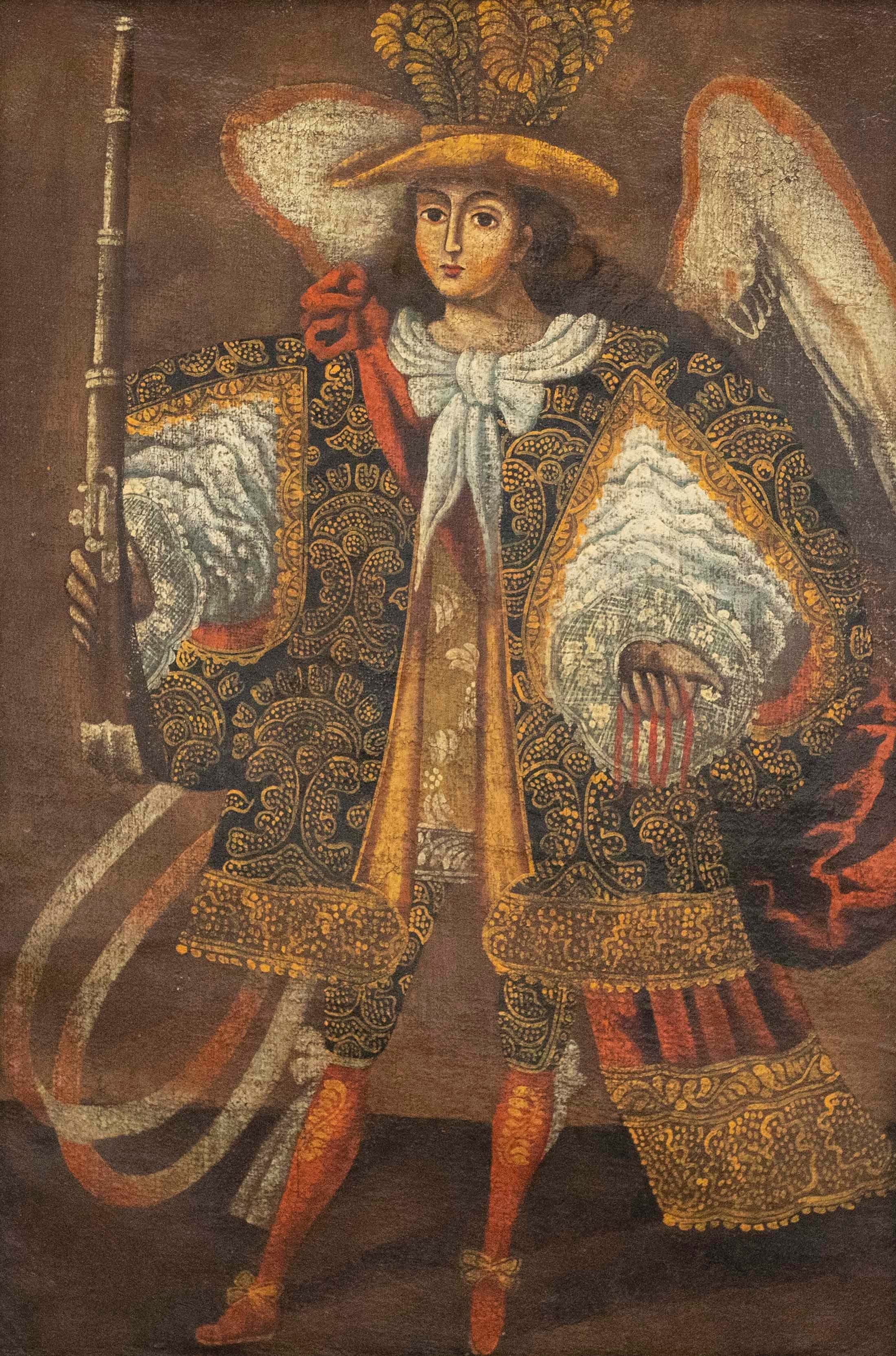
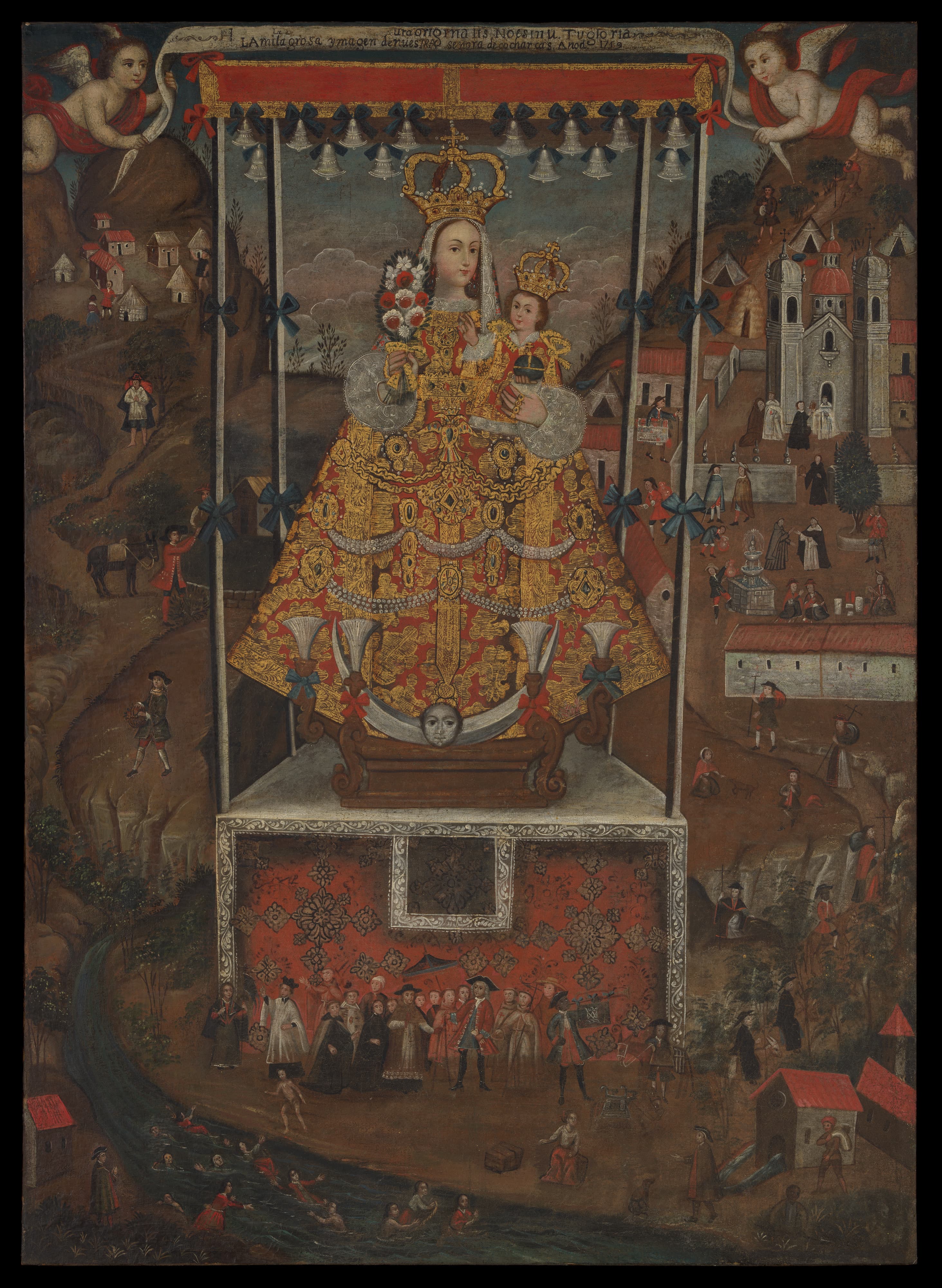
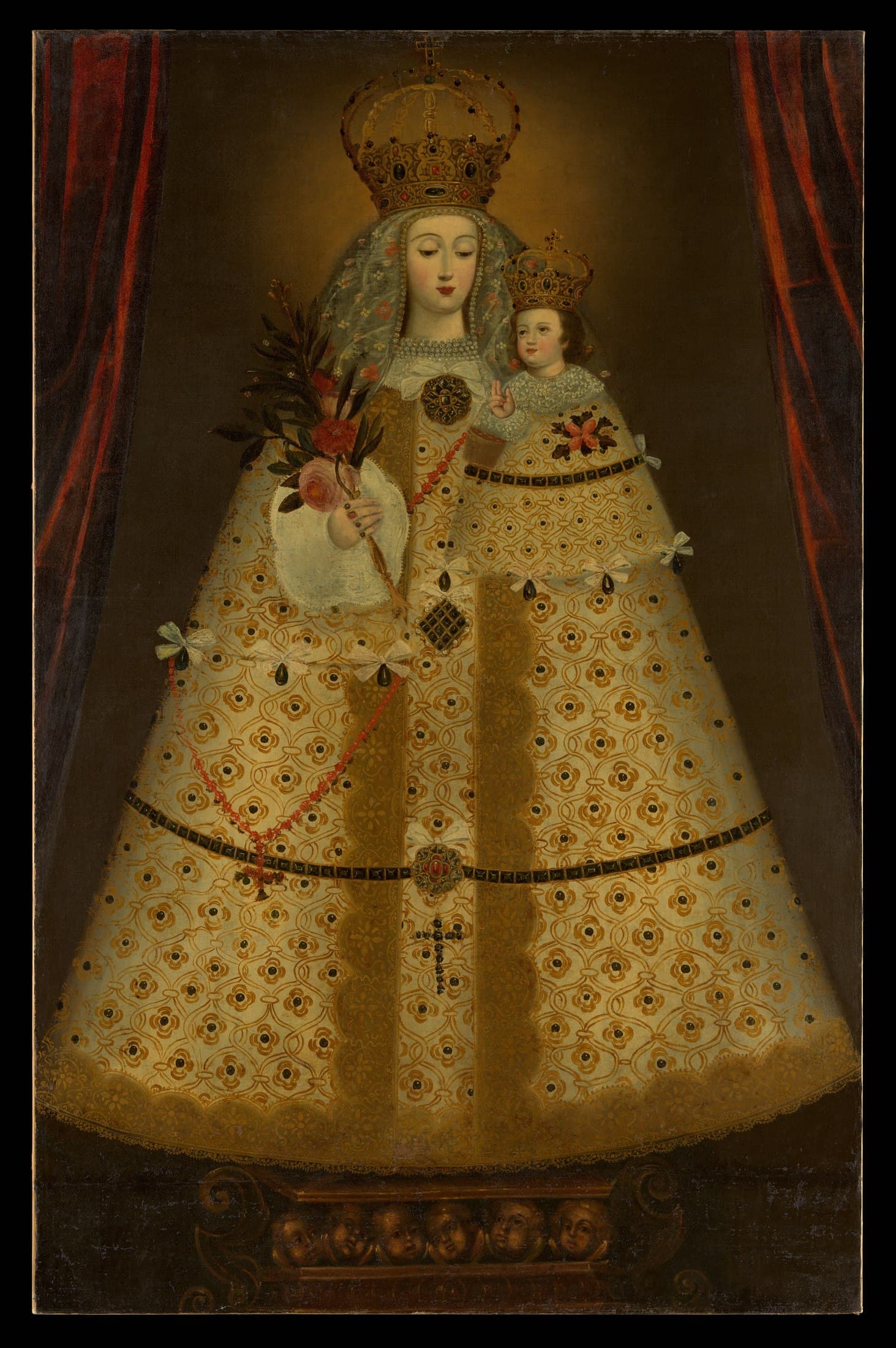
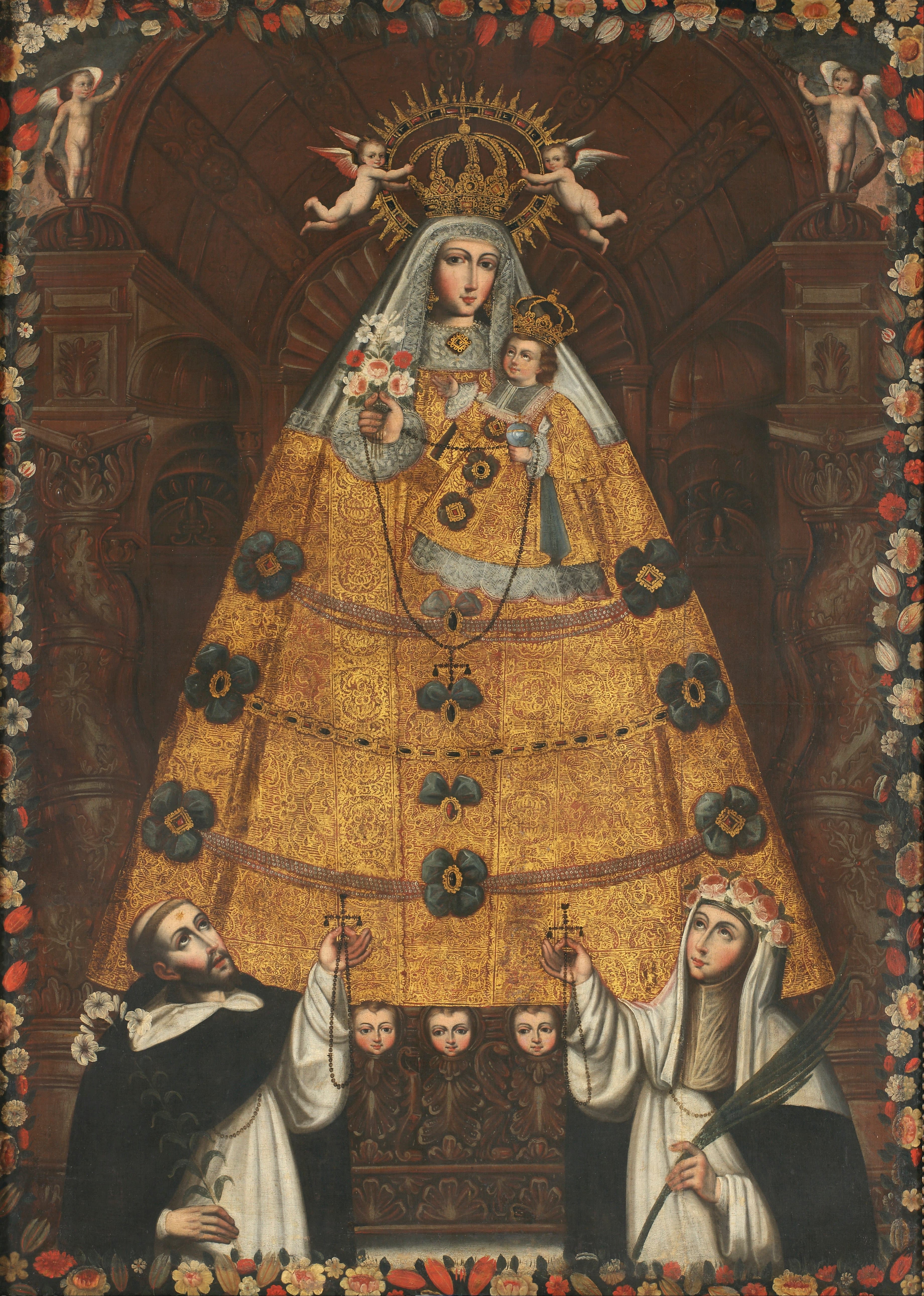
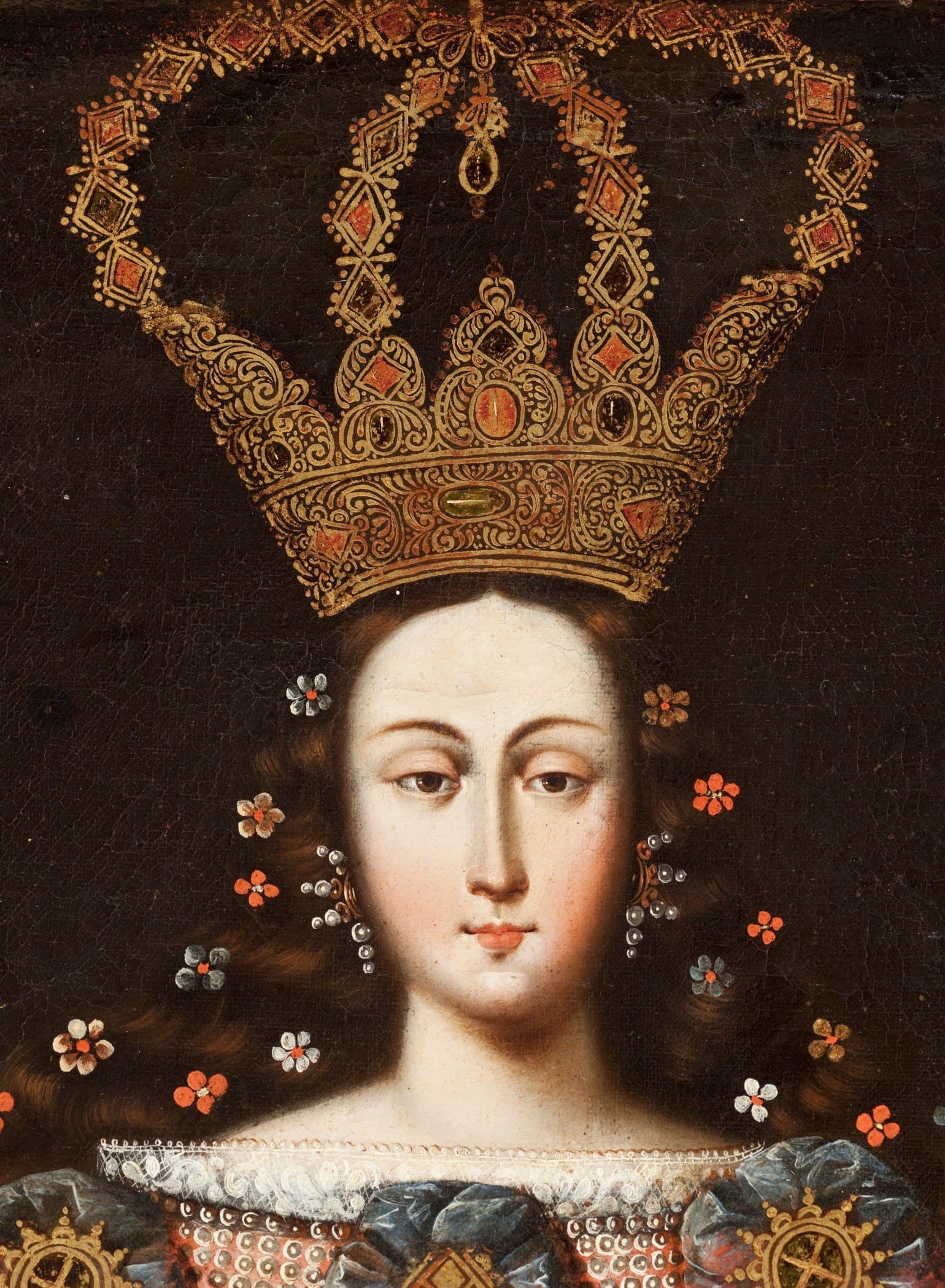
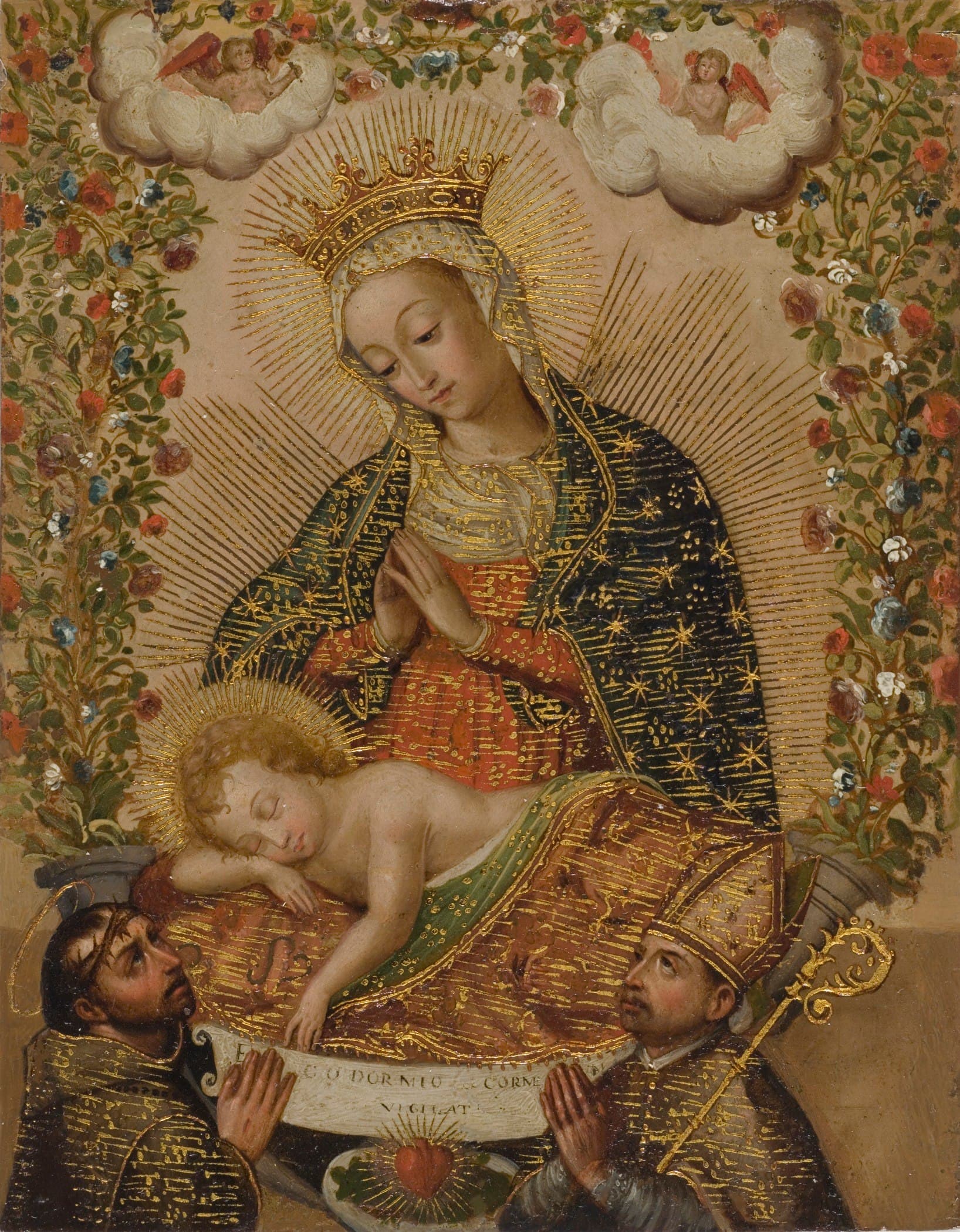
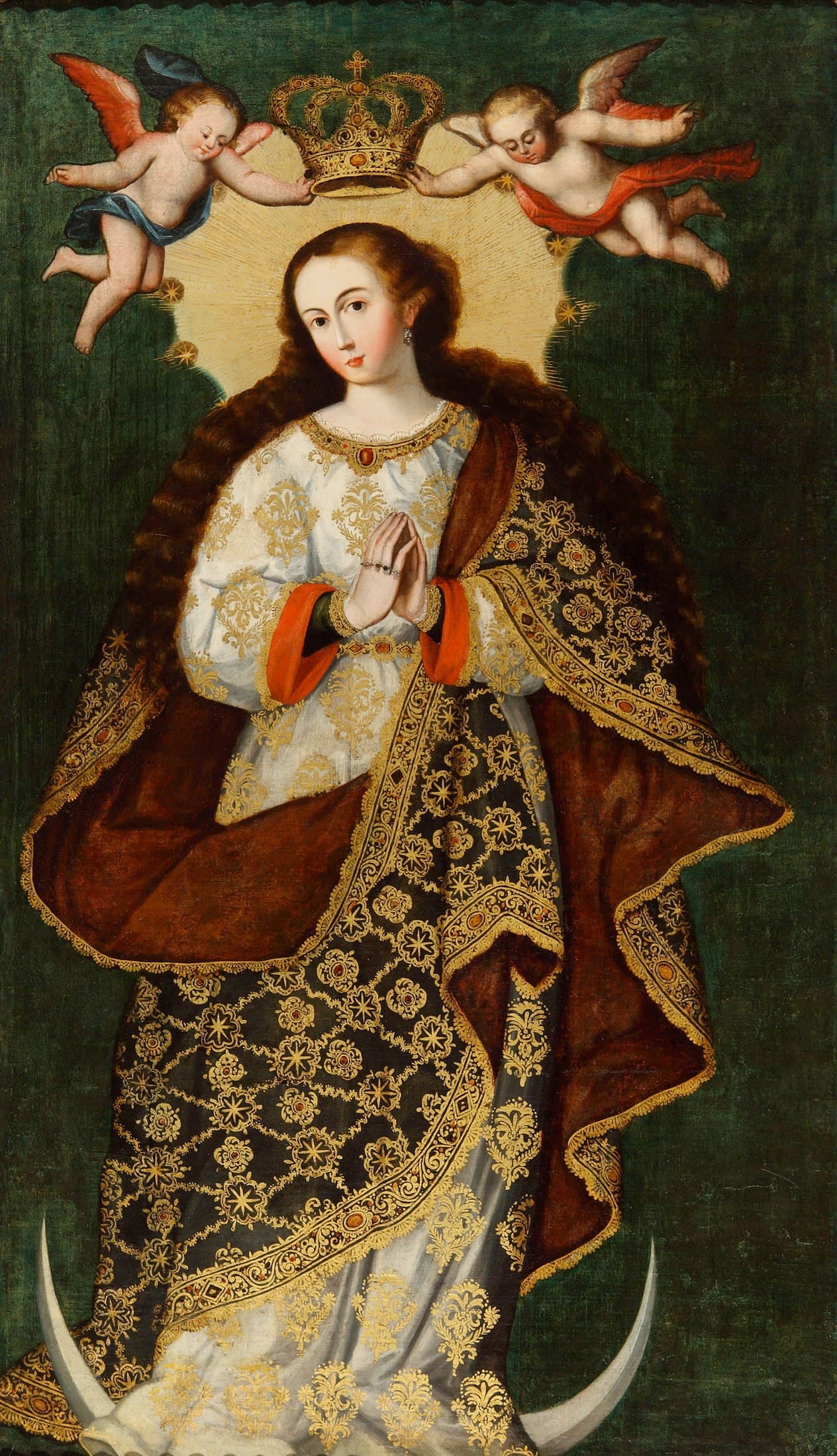
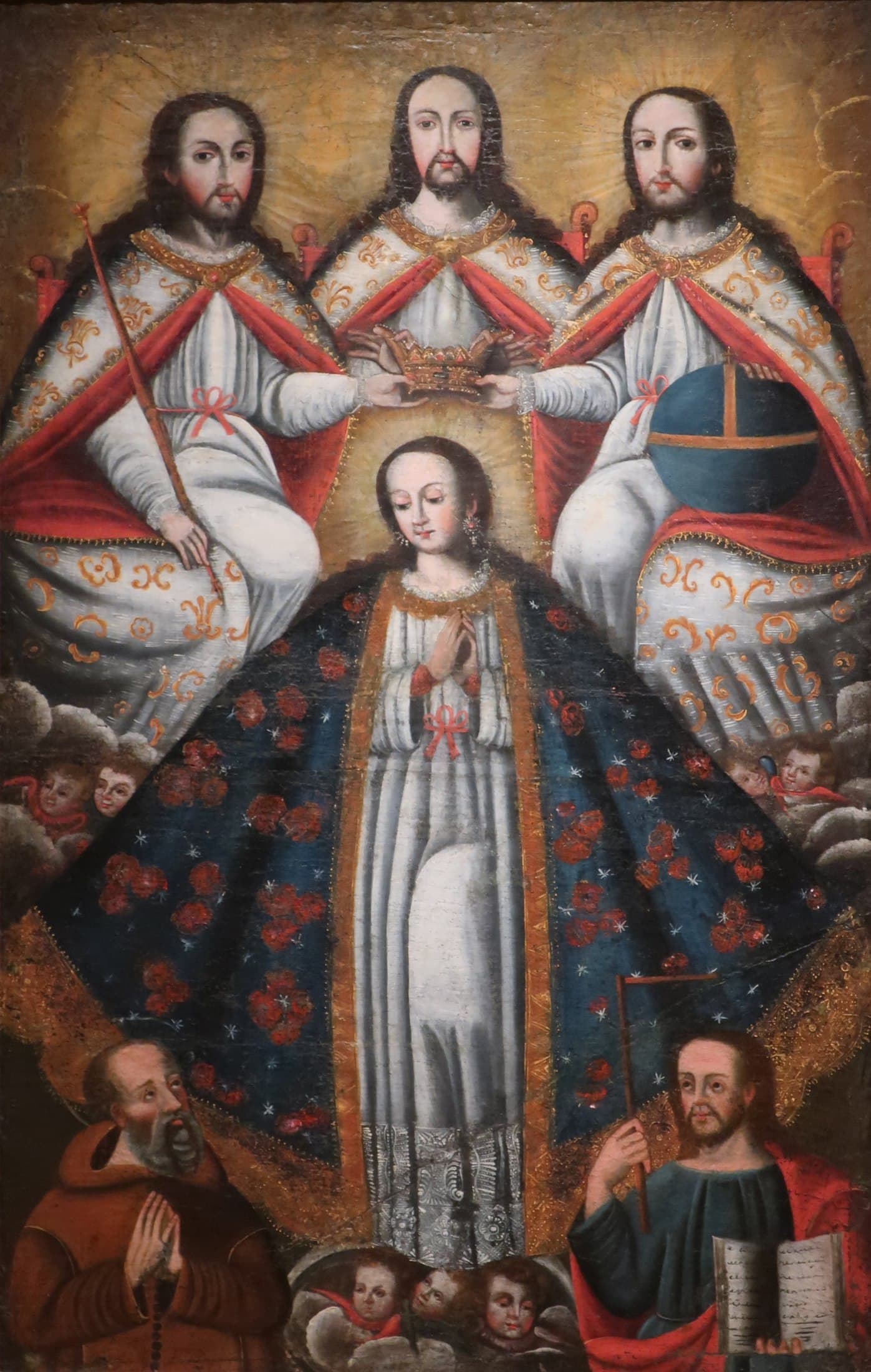
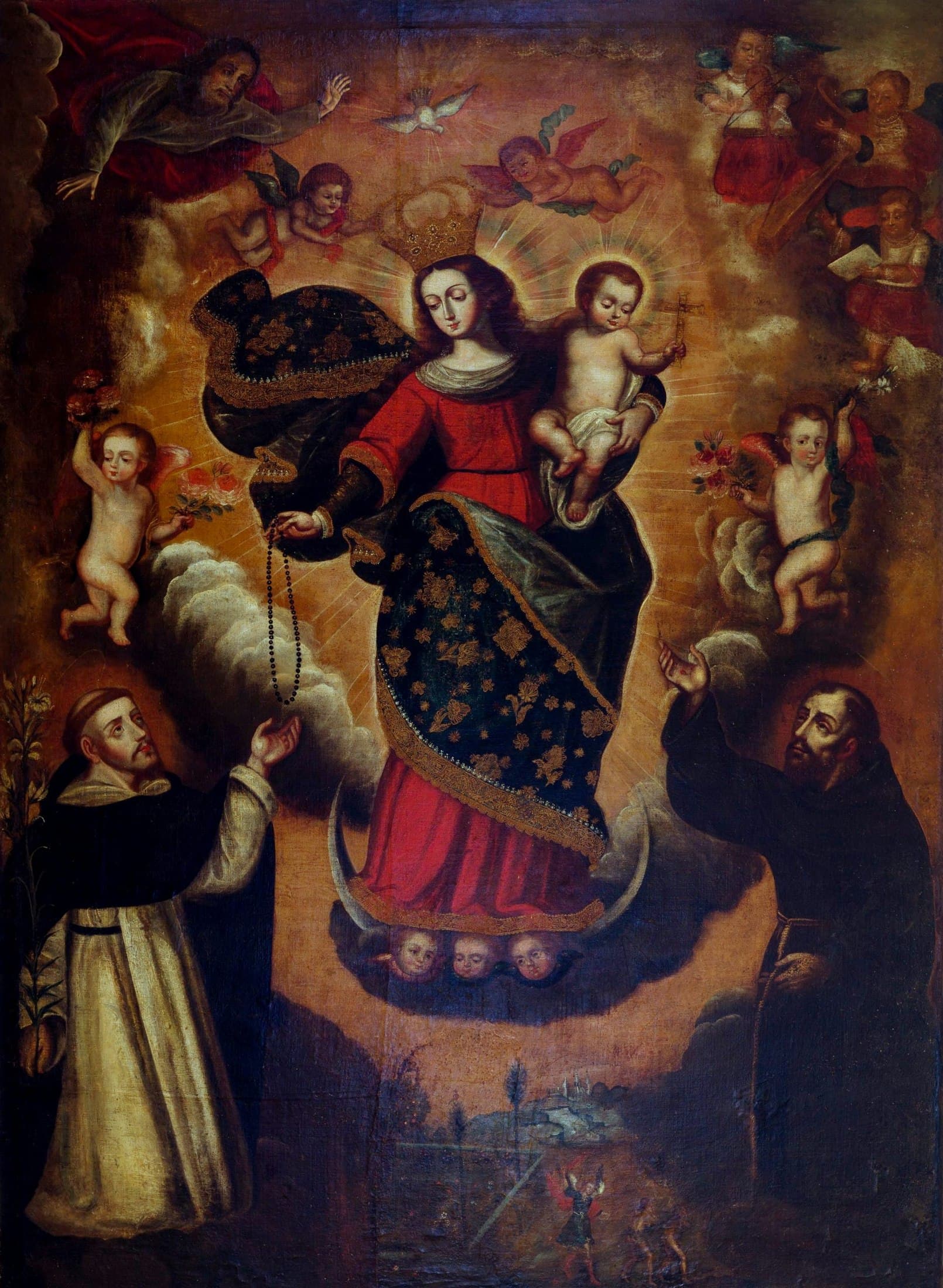
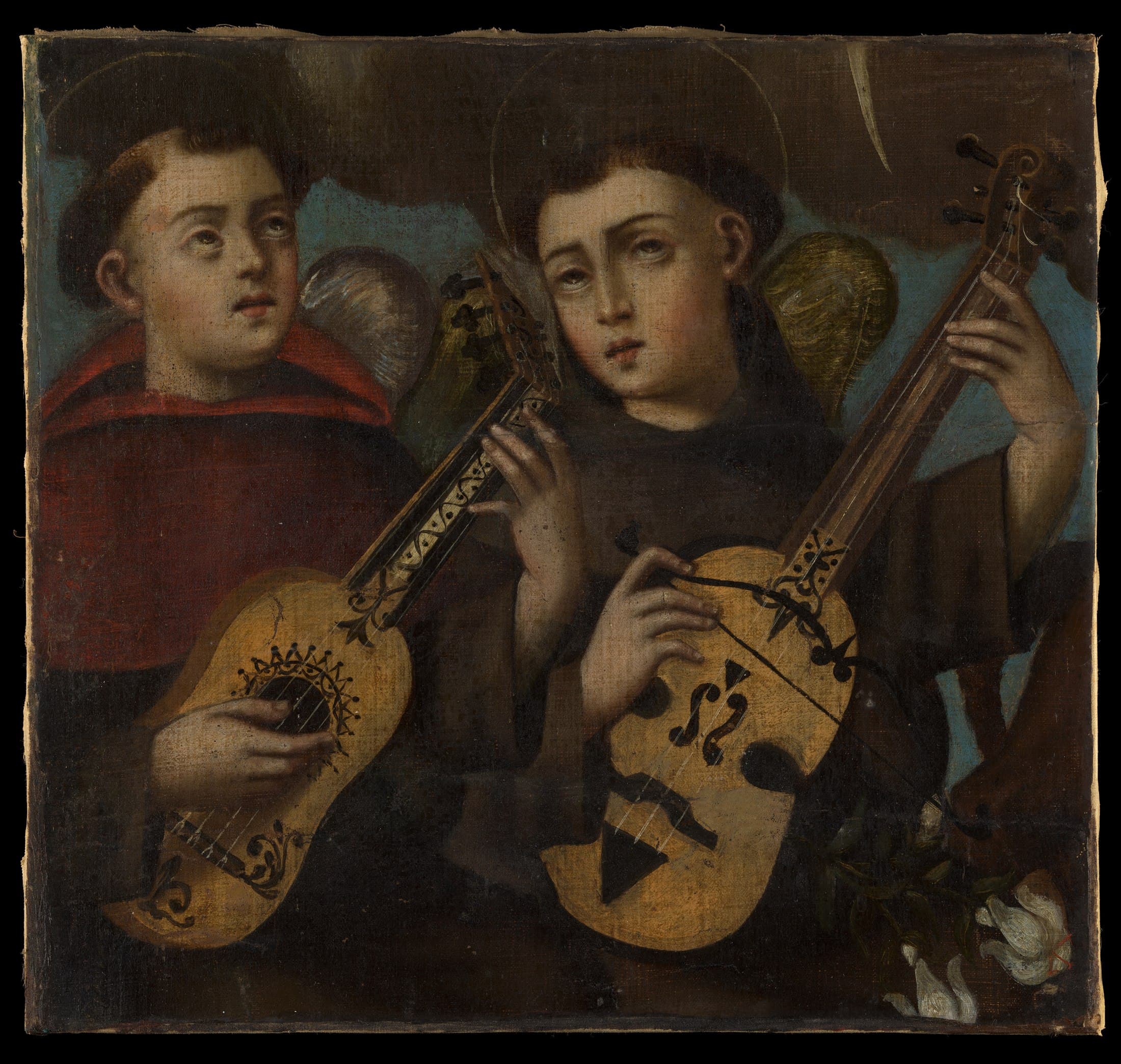
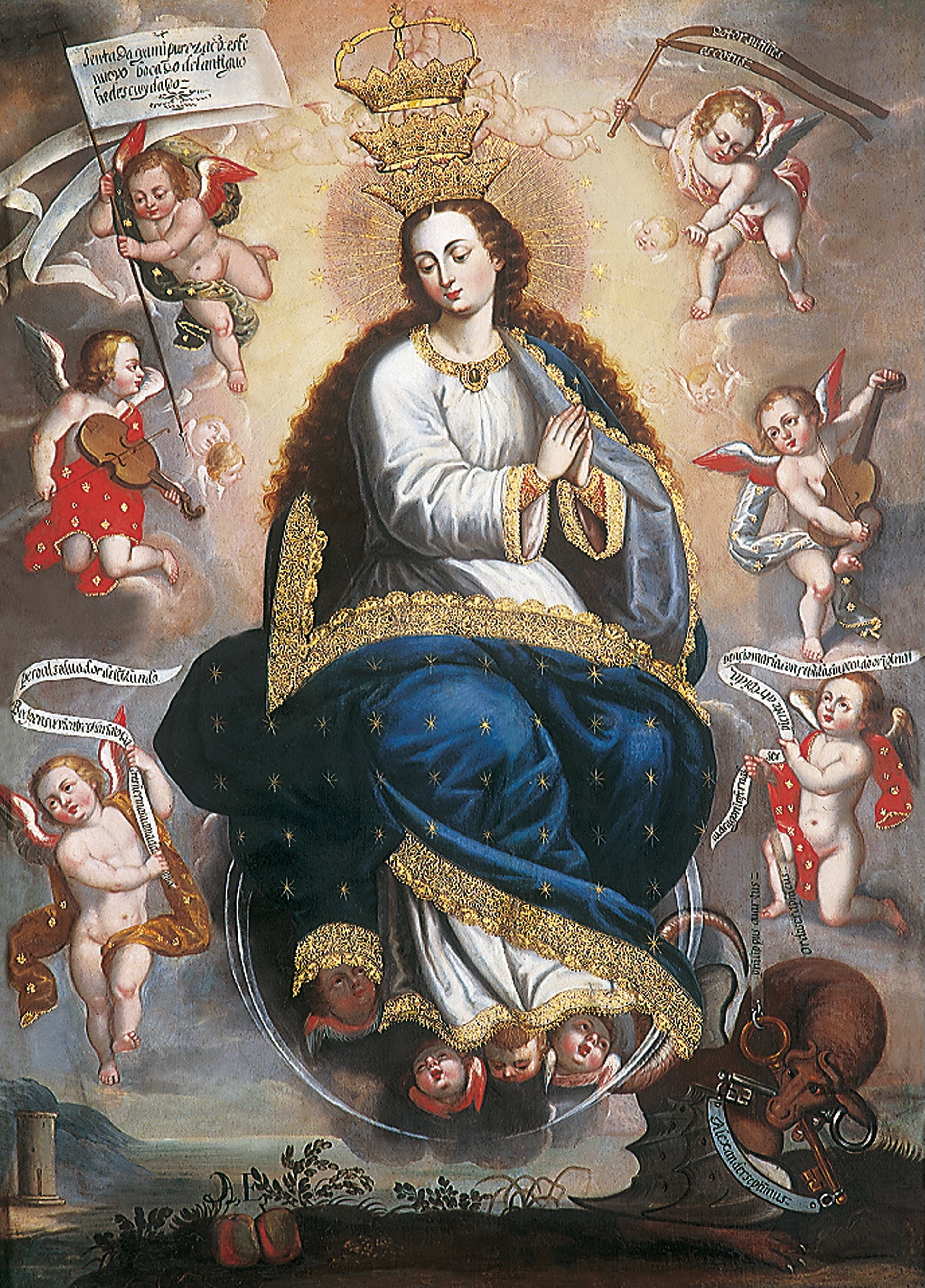
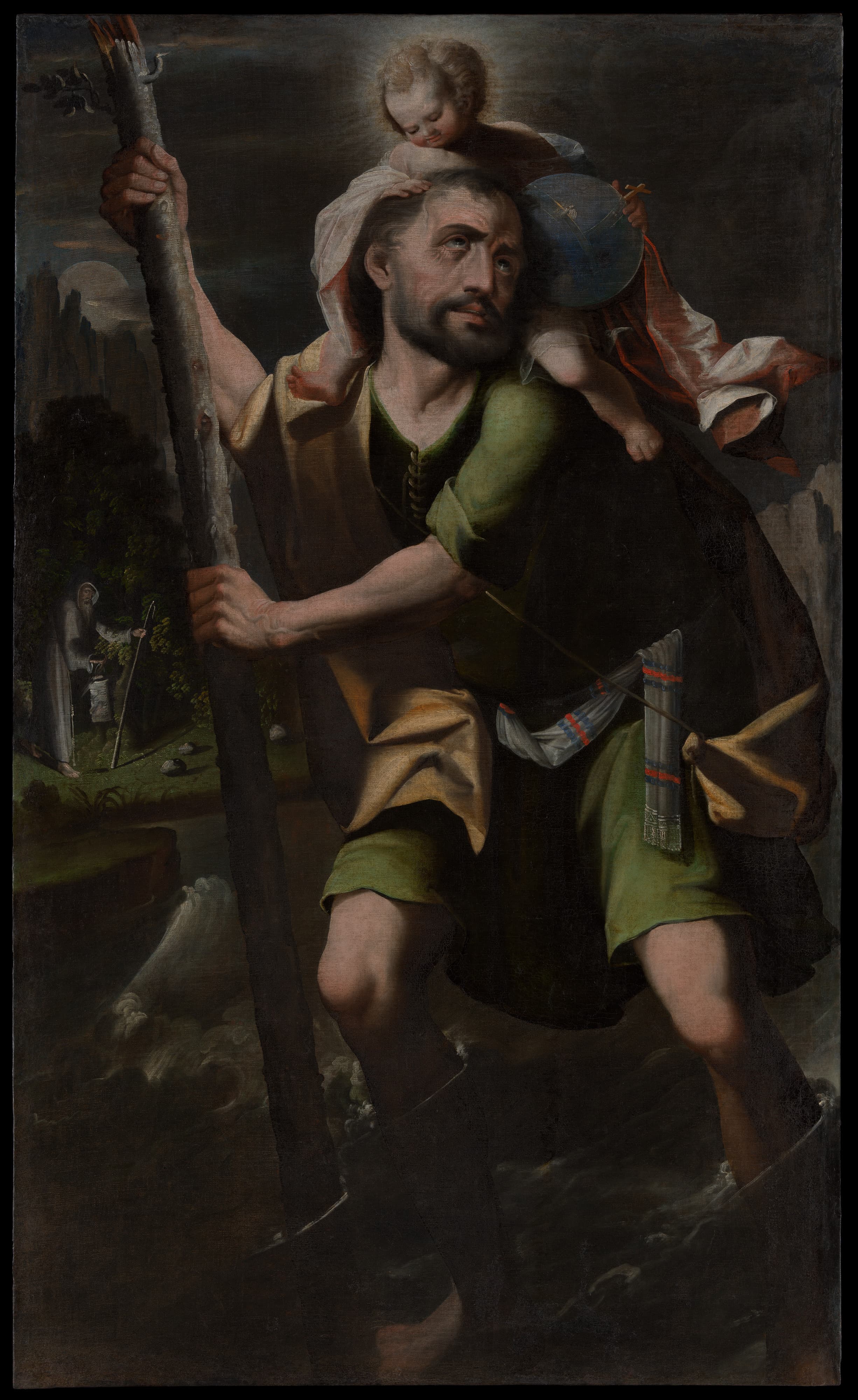
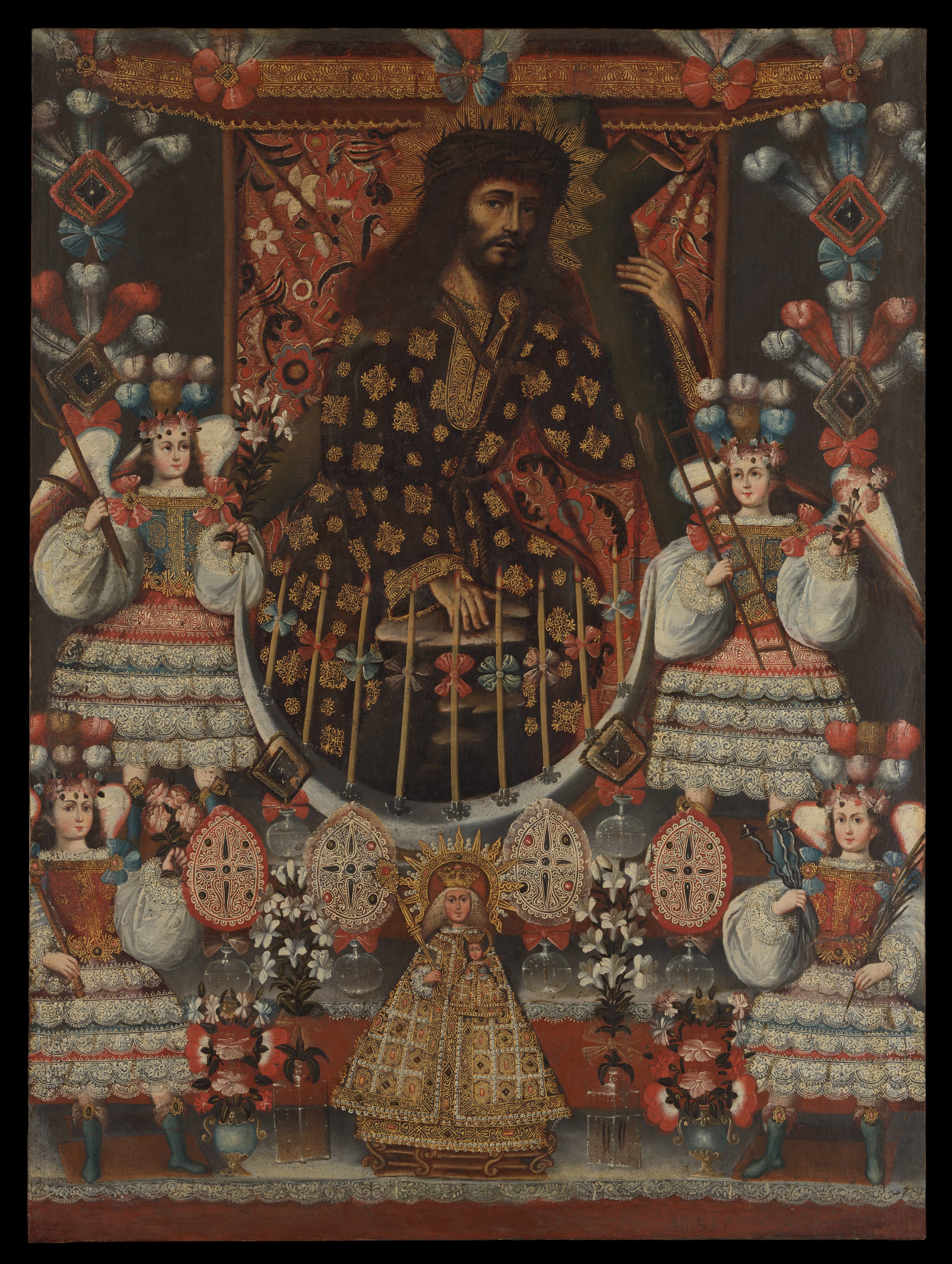
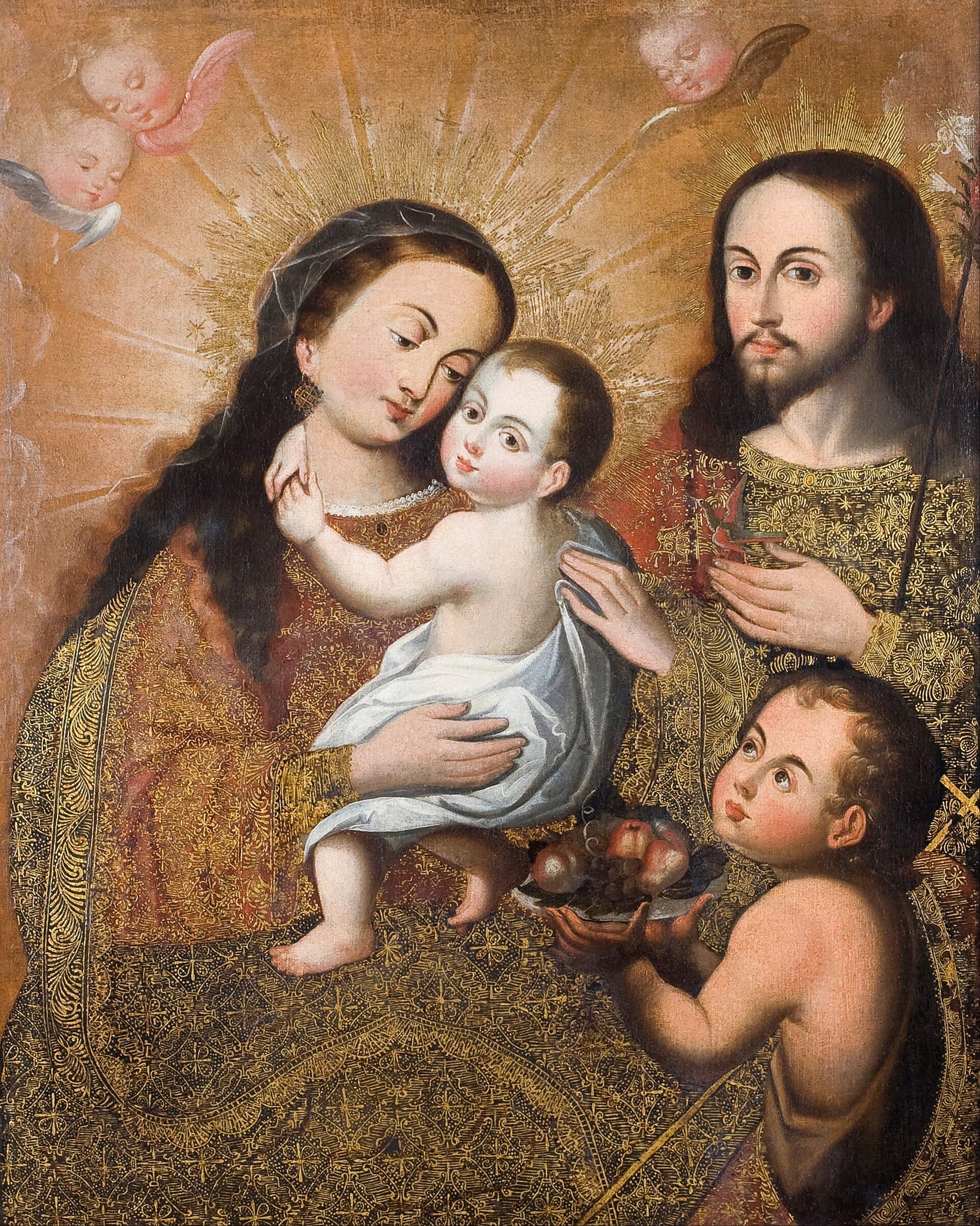
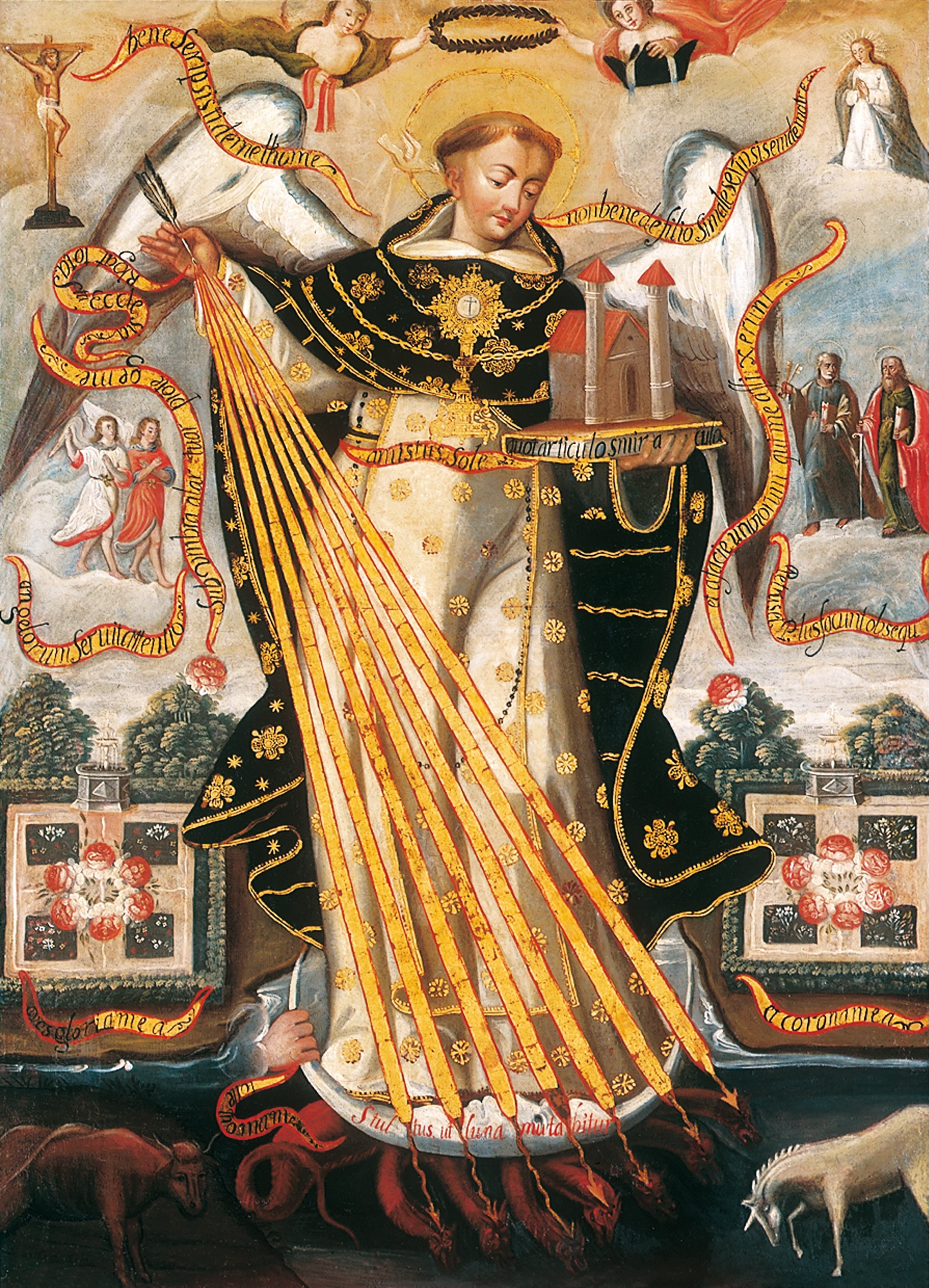
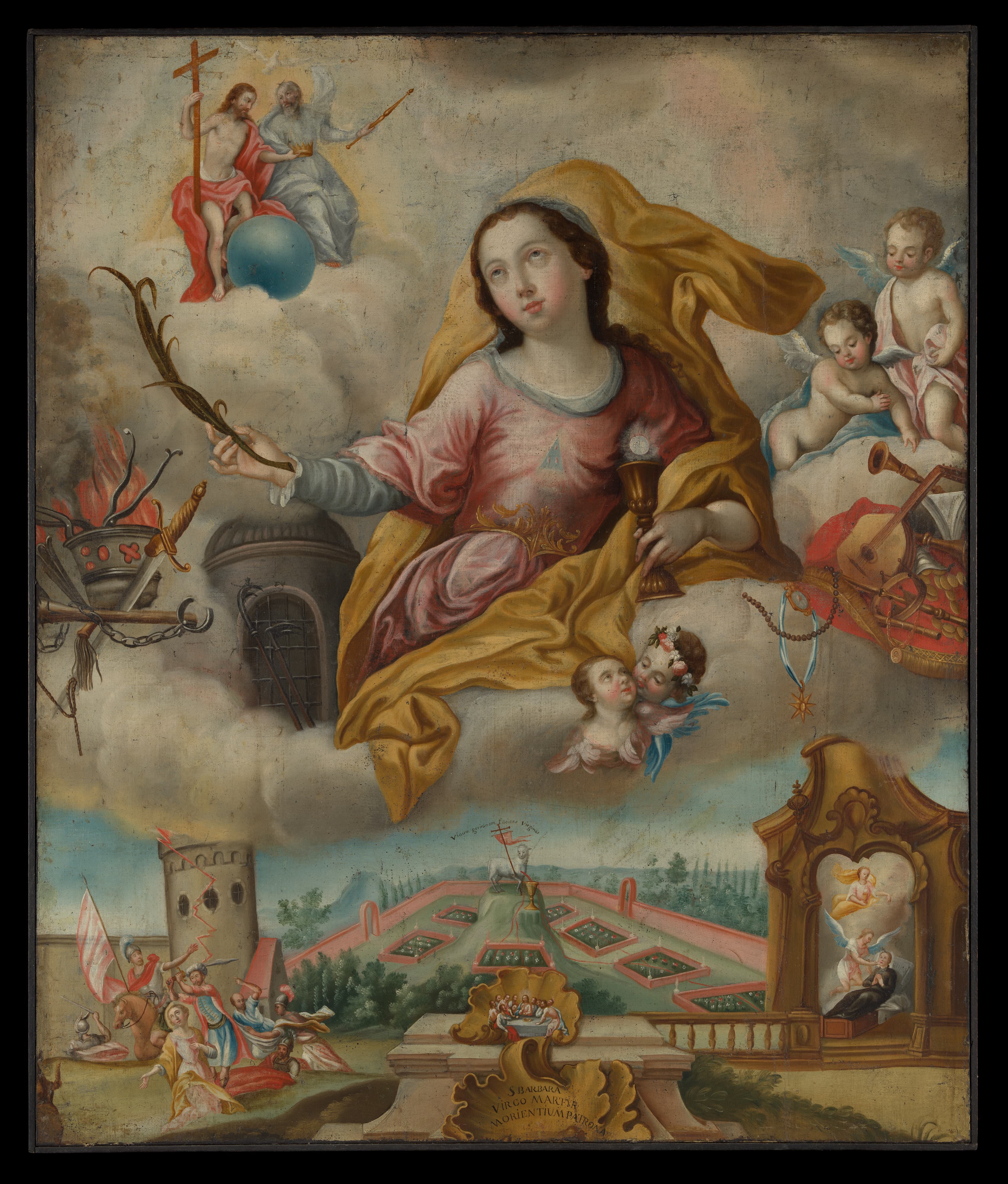
For two centuries, Andean and Inca artists working inside Spanish-run colonial workshops built an entirely new visual language — angels armed like viceregal soldiers, Marian icons built up in real gold leaf, saints painted alongside zodiac signs. It is not a simplified copy of European Baroque painting. It is its own tradition, made by people living under an empire and painting their way through it.


Heaven, armed and in lace
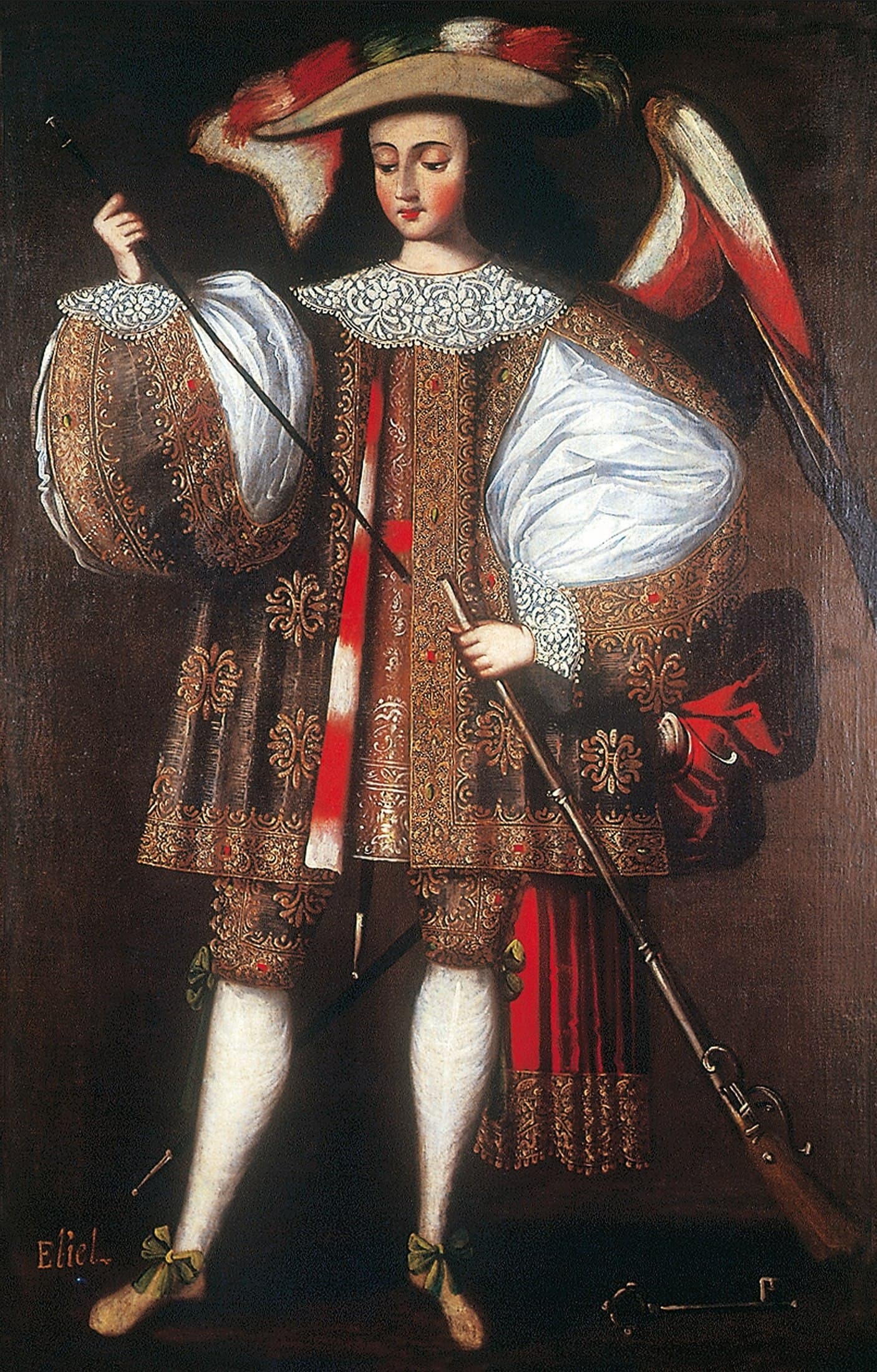
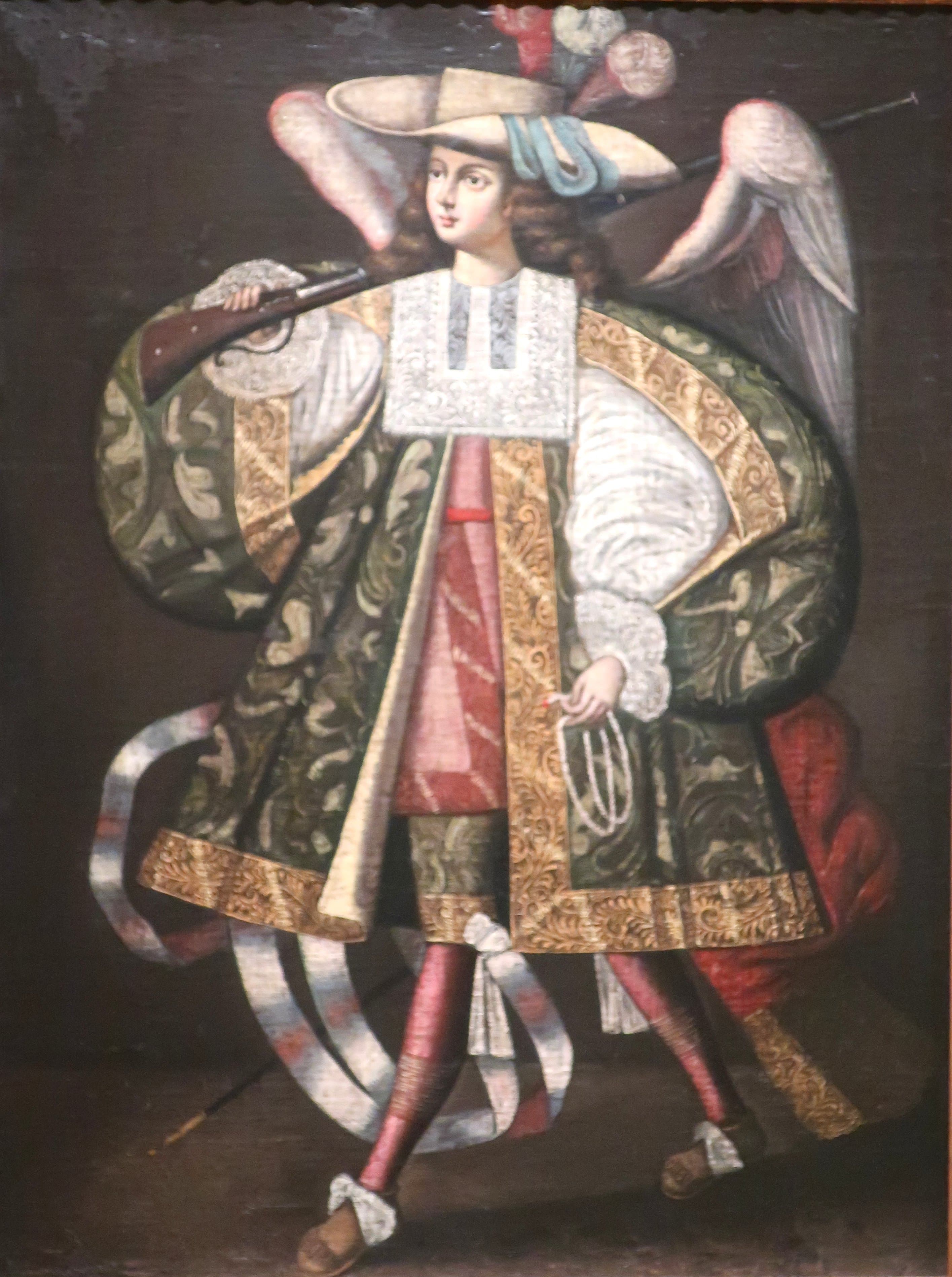
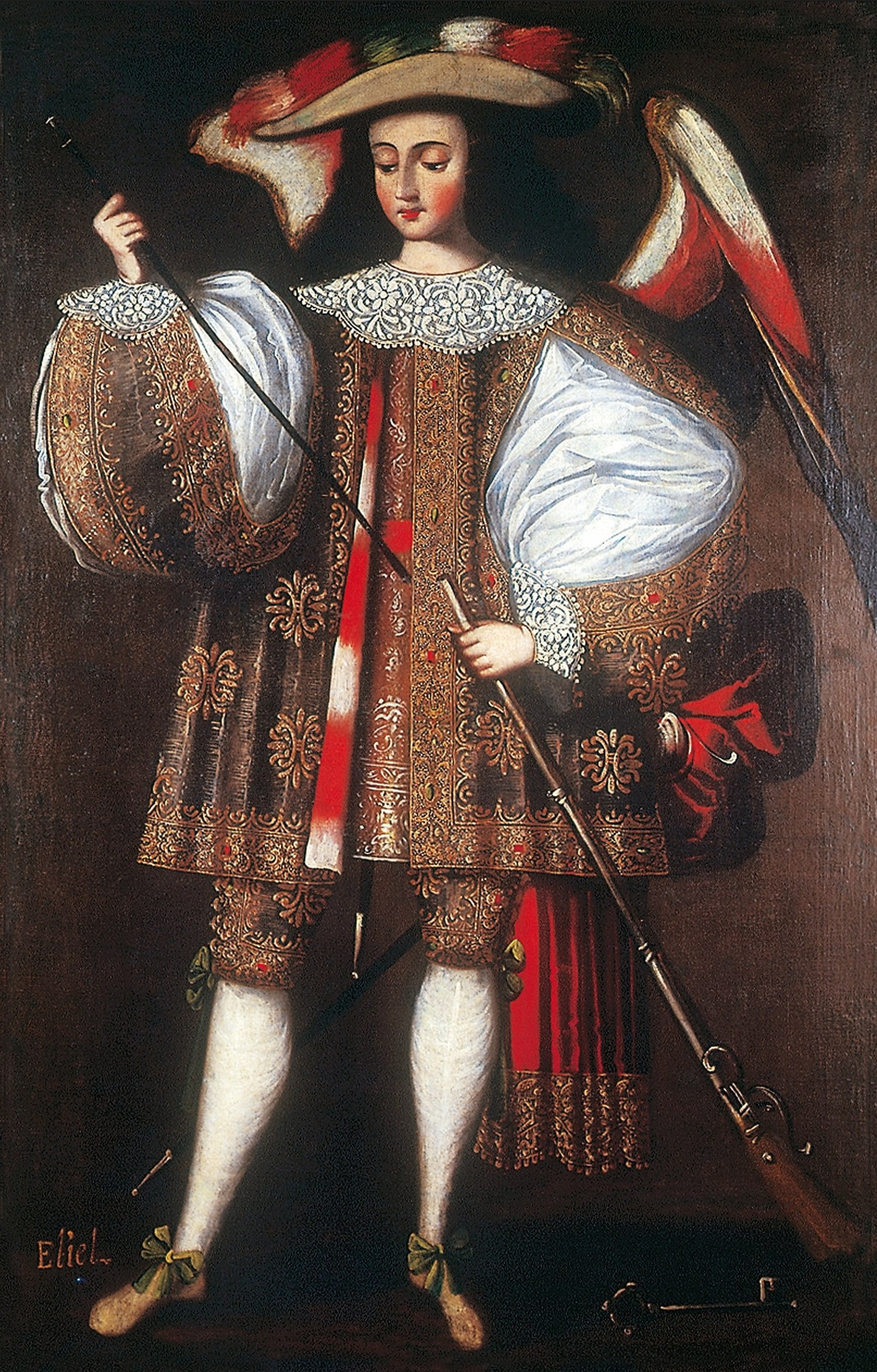
Archangels painted as 17th-century Spanish nobles — plumed hats, lace collars, silk breeches — and carrying not swords but arquebuses, the matchlock guns of the Habsburg infantry. A wholly Andean invention: no European painting shows an angel with a gun. Cusco workshops built entire named militias of them, drawn from apocryphal angel lists that named far more than the four archangels of scripture.
Enter this collection
Mary, wearing the mountain
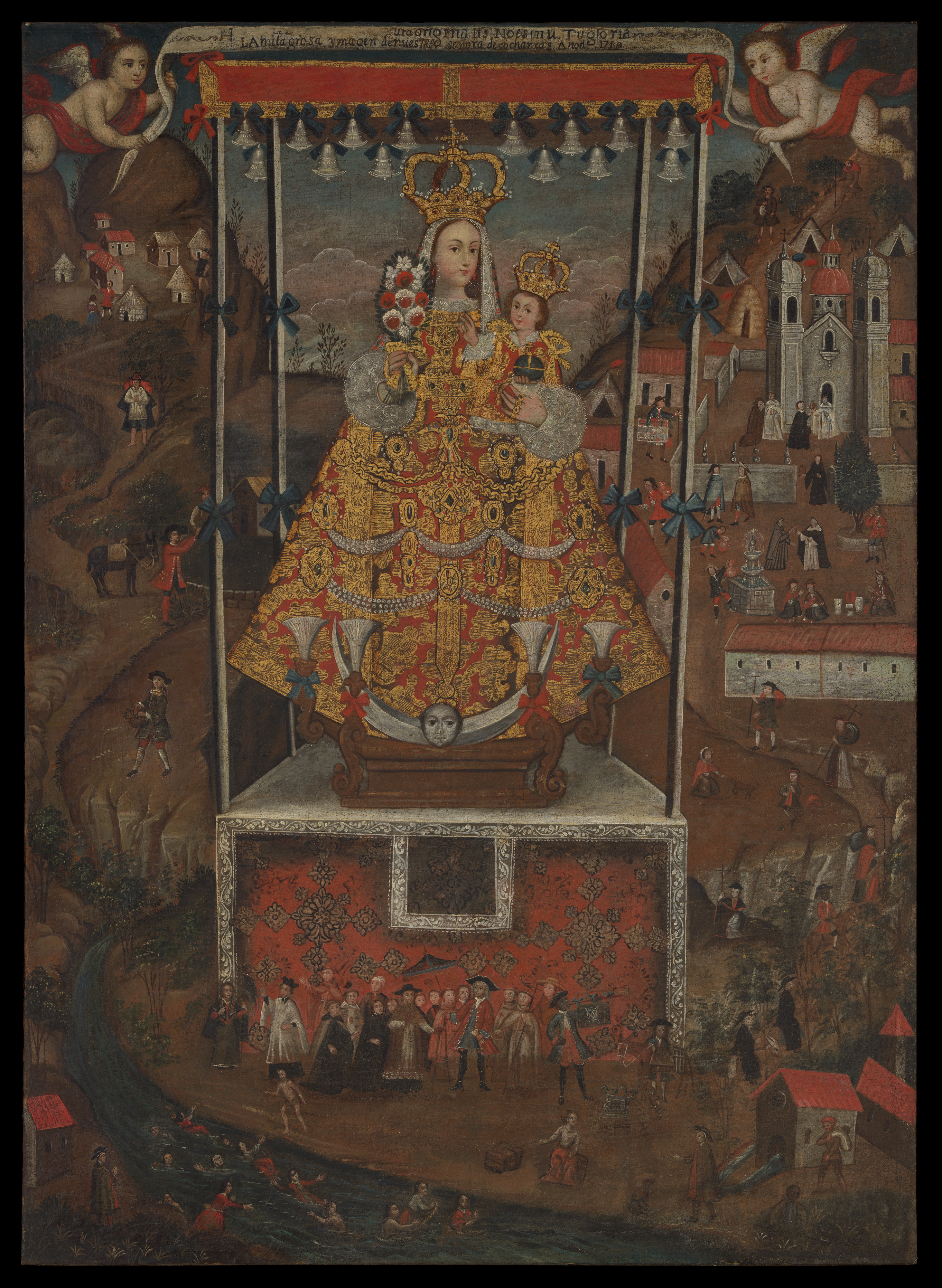
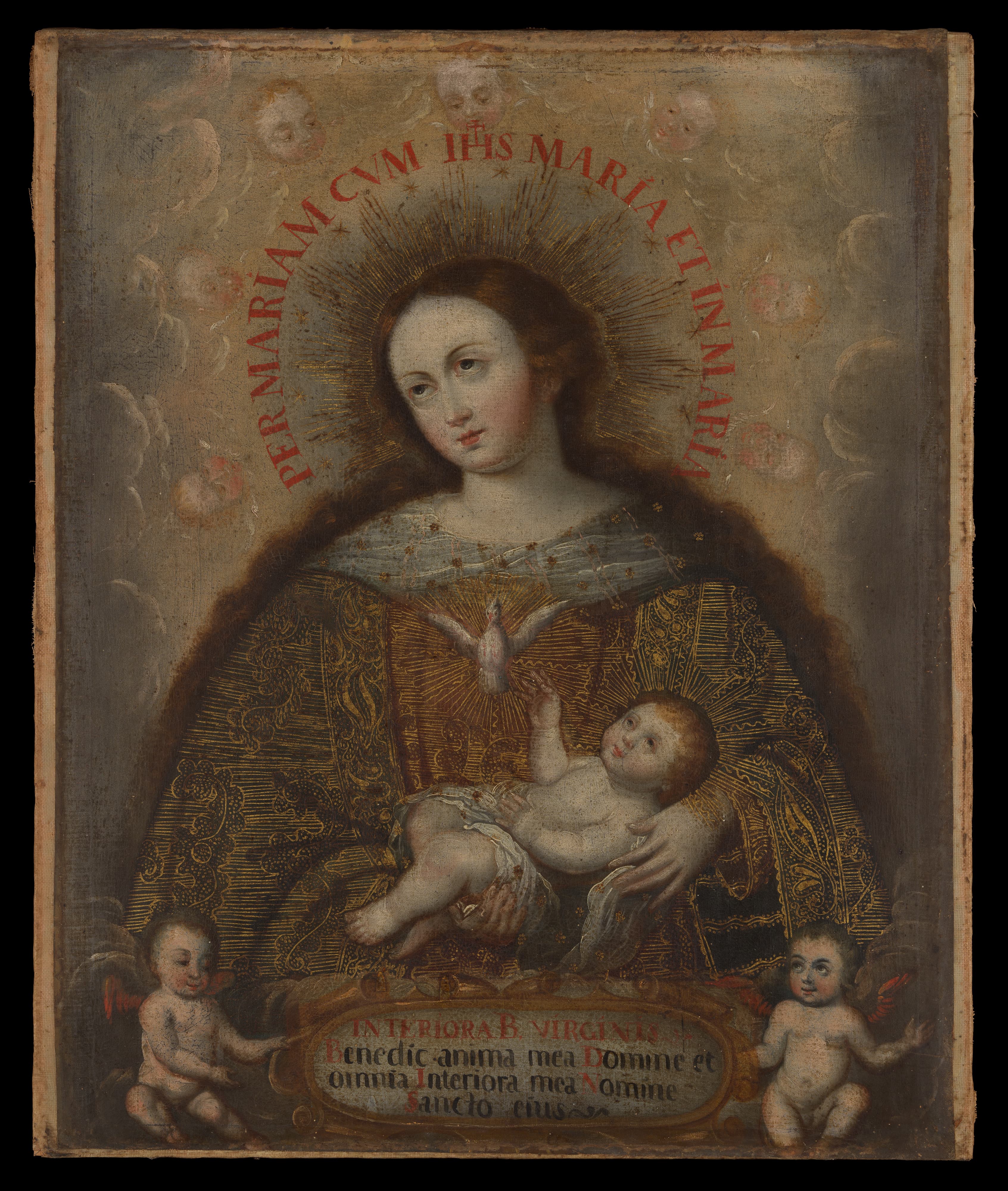
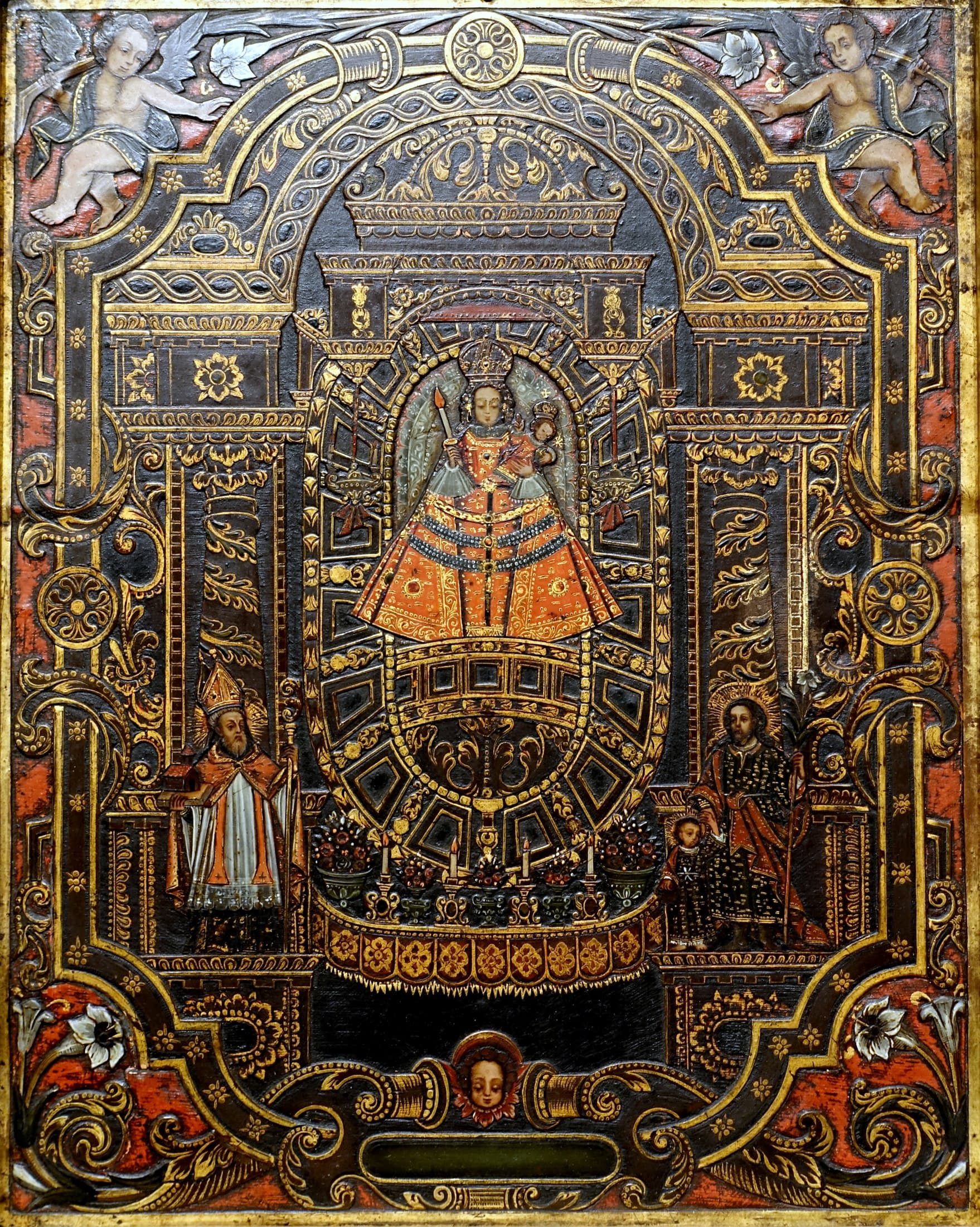
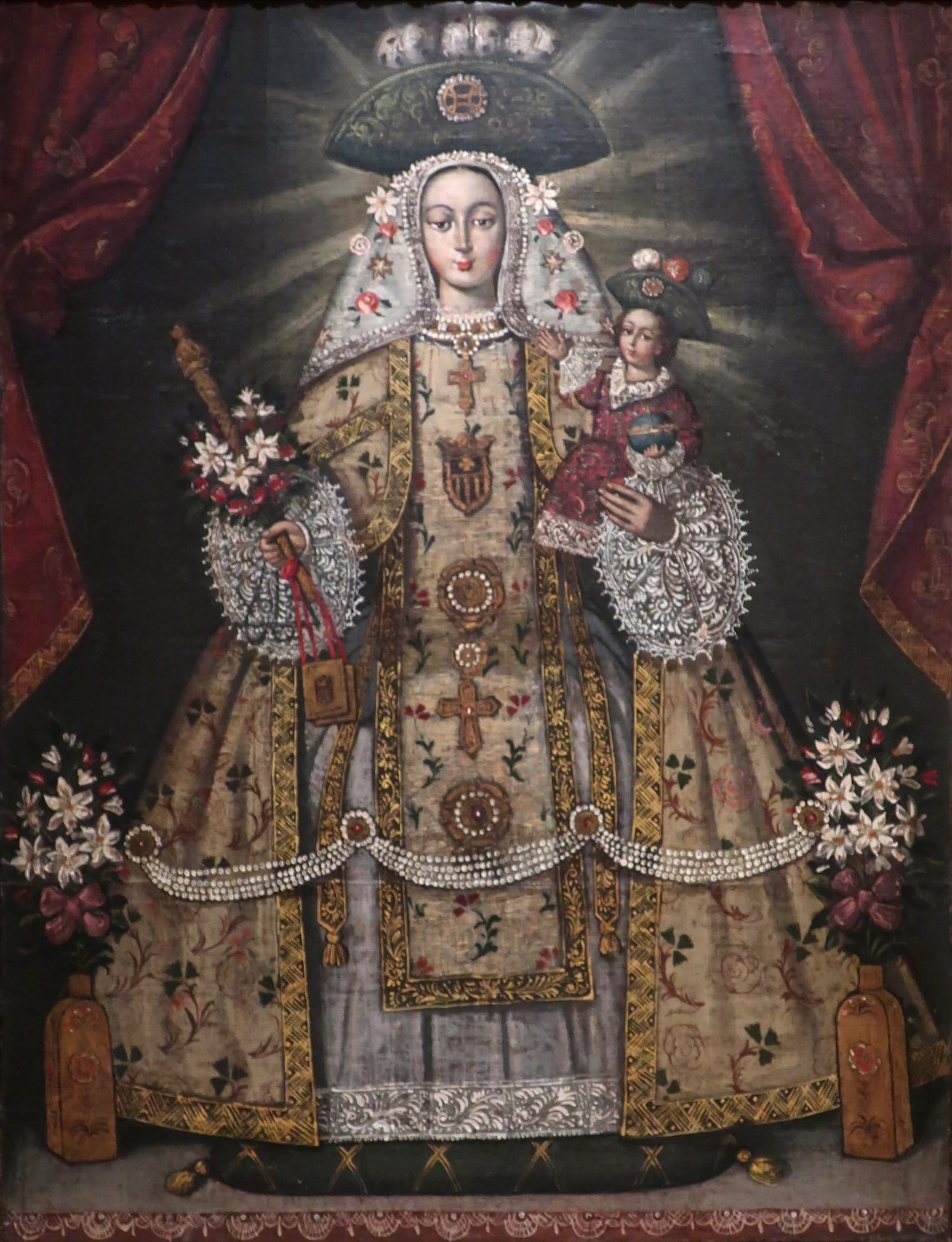
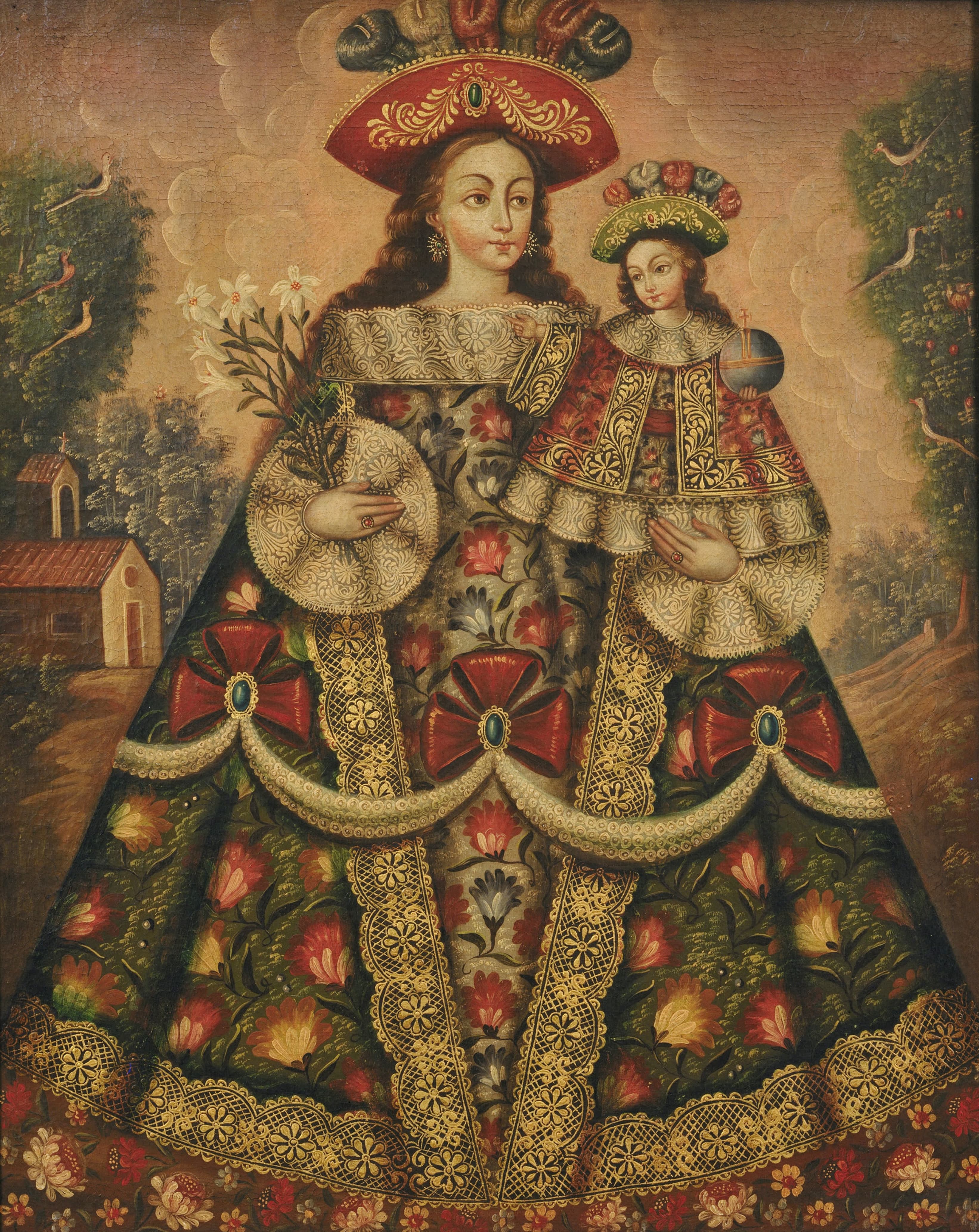
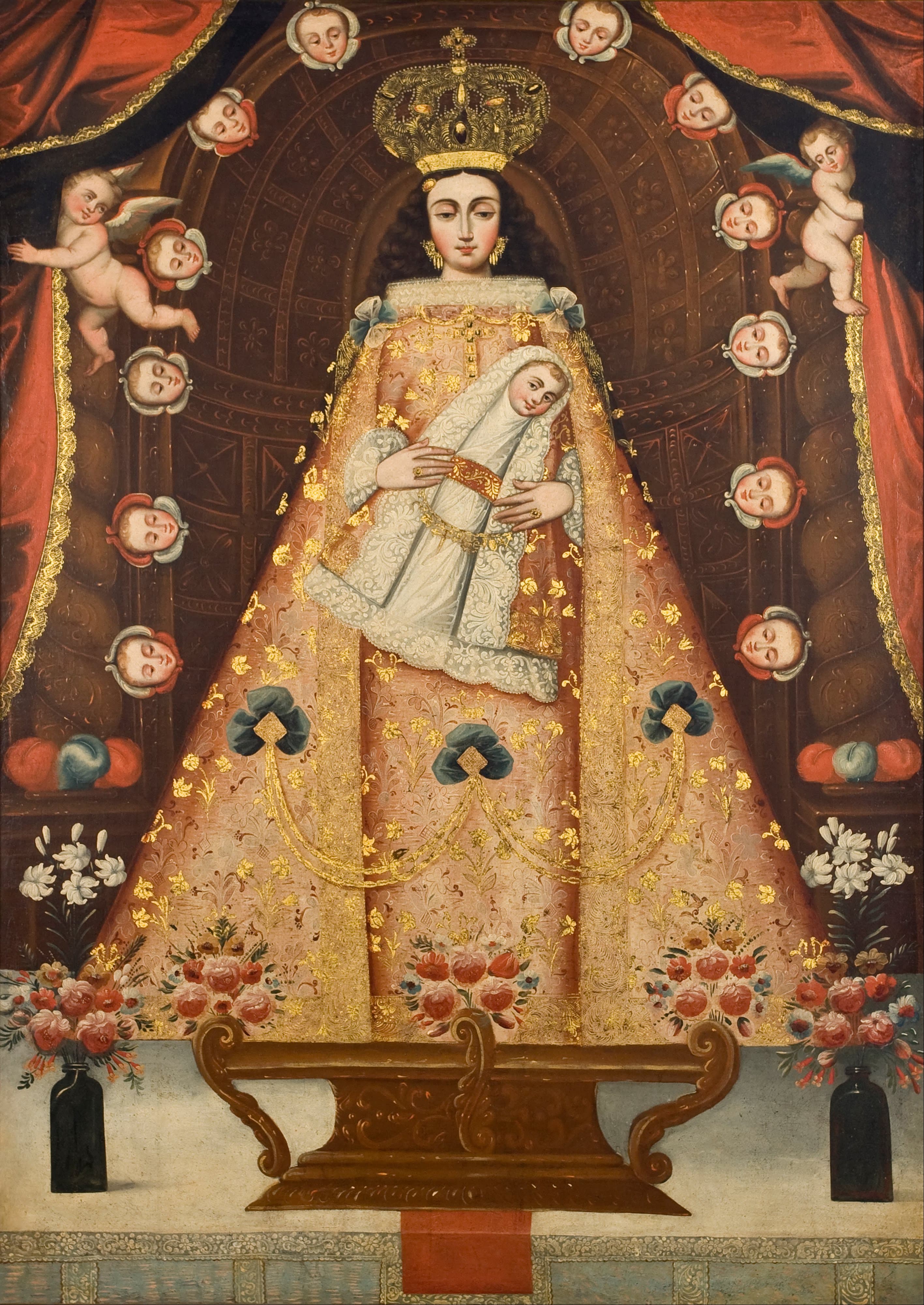
Marian icons built up in brocateado — real gold leaf, tooled and stippled directly onto the paint, turning the Virgin's mantle into a sheet of hammered light. Each carries the name of the shrine that made her a pilgrimage saint: Cocharcas, Guápulo, Copacabana. In the most radical of these images, Mary's body becomes the silver mountain of Potosí itself — the wealth of an empire, made devotional.
Enter this collection
The Cusco School's named hands
Most Cusco School painting is anonymous — workshop production, unsigned. A handful of names survive: Diego Quispe Tito, an Inca nobleman who ran the largest studio in the city and painted the zodiac onto the walls of Cusco Cathedral; Basilio Santa Cruz Pumacallao, his contemporary; Bernardo Bitti, the Italian Jesuit who taught the first generation. Their surviving, attributed work is the closest thing this tradition has to auteurs.
Enter this collection
A calendar of processions and patrons
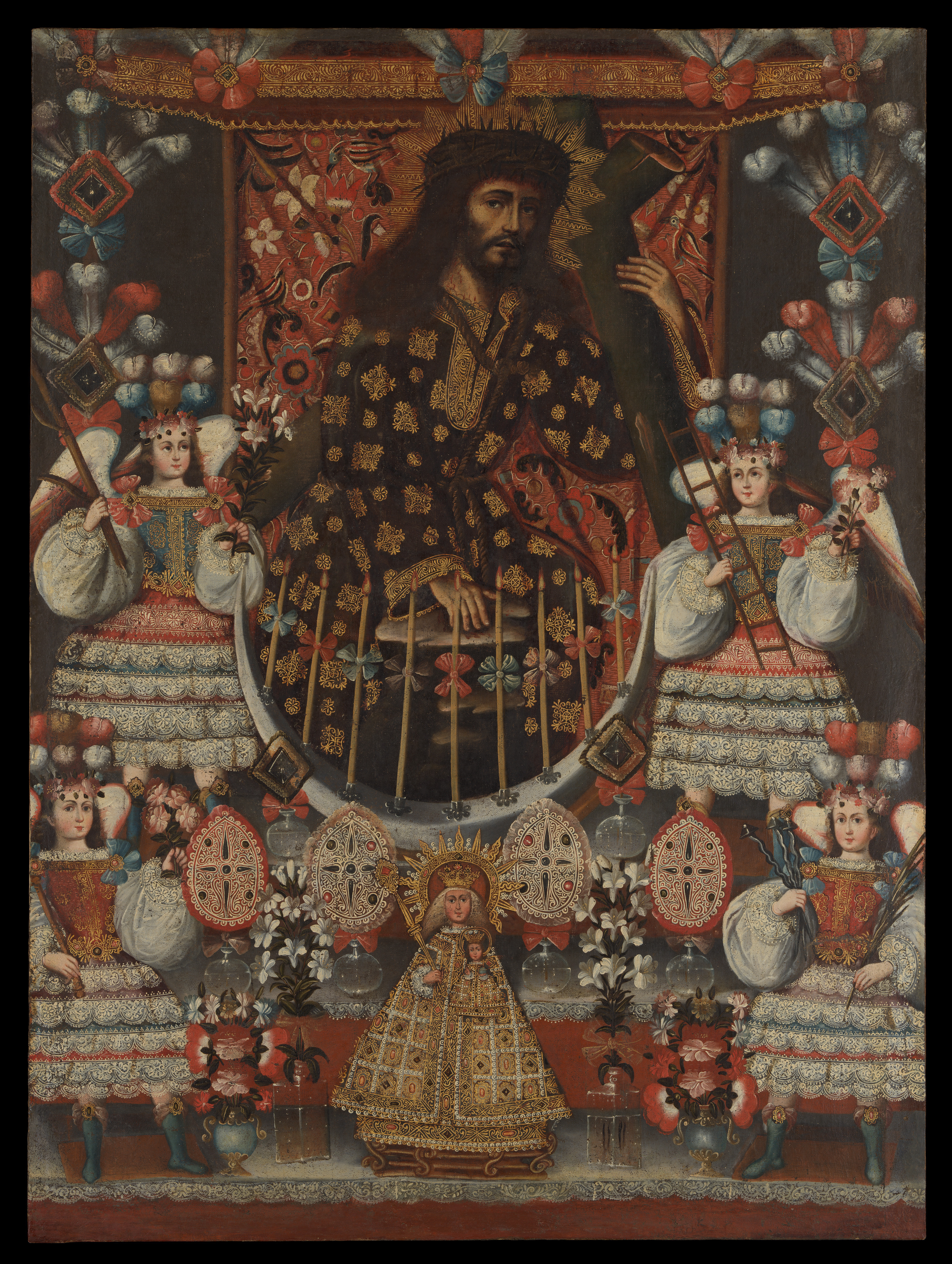
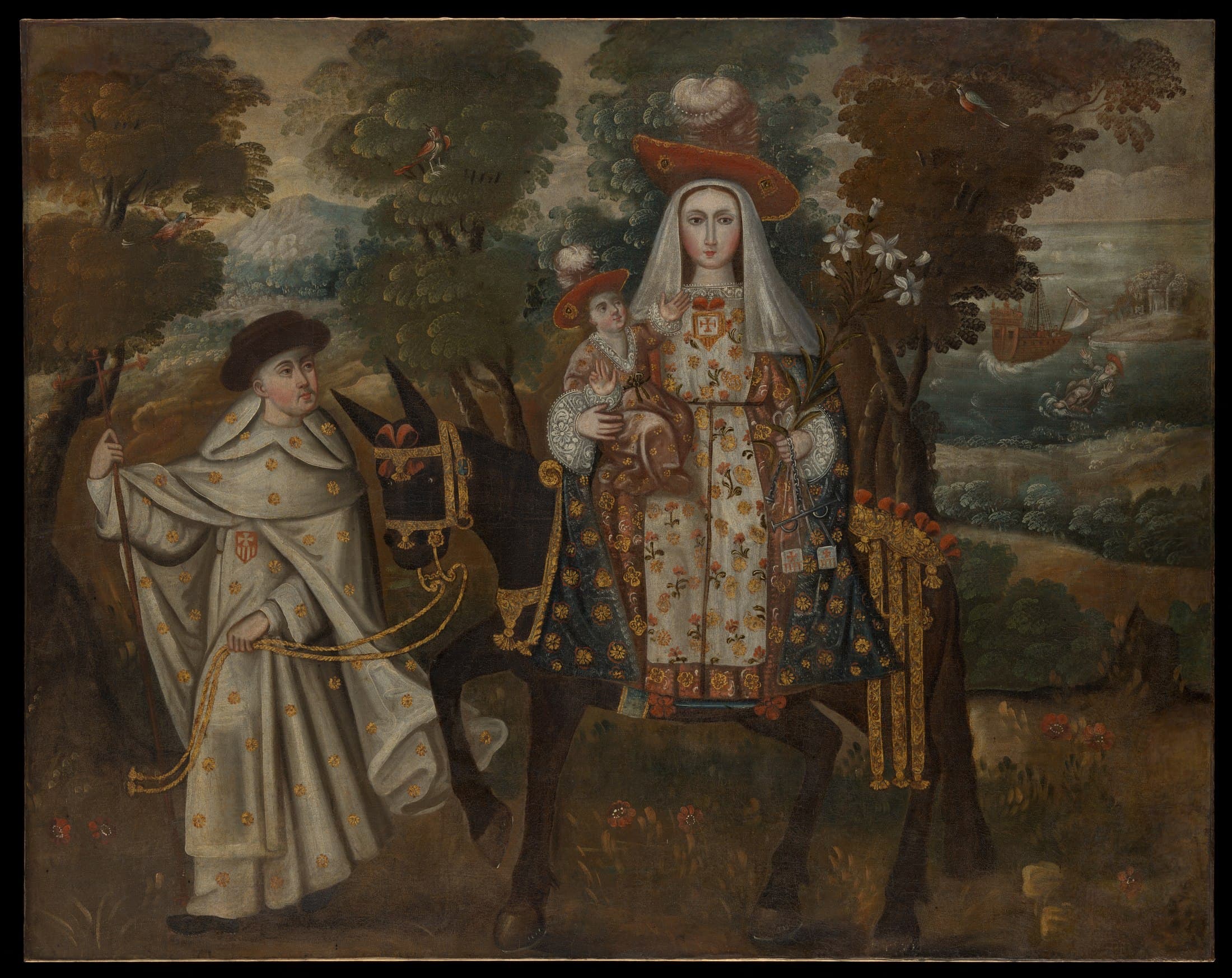
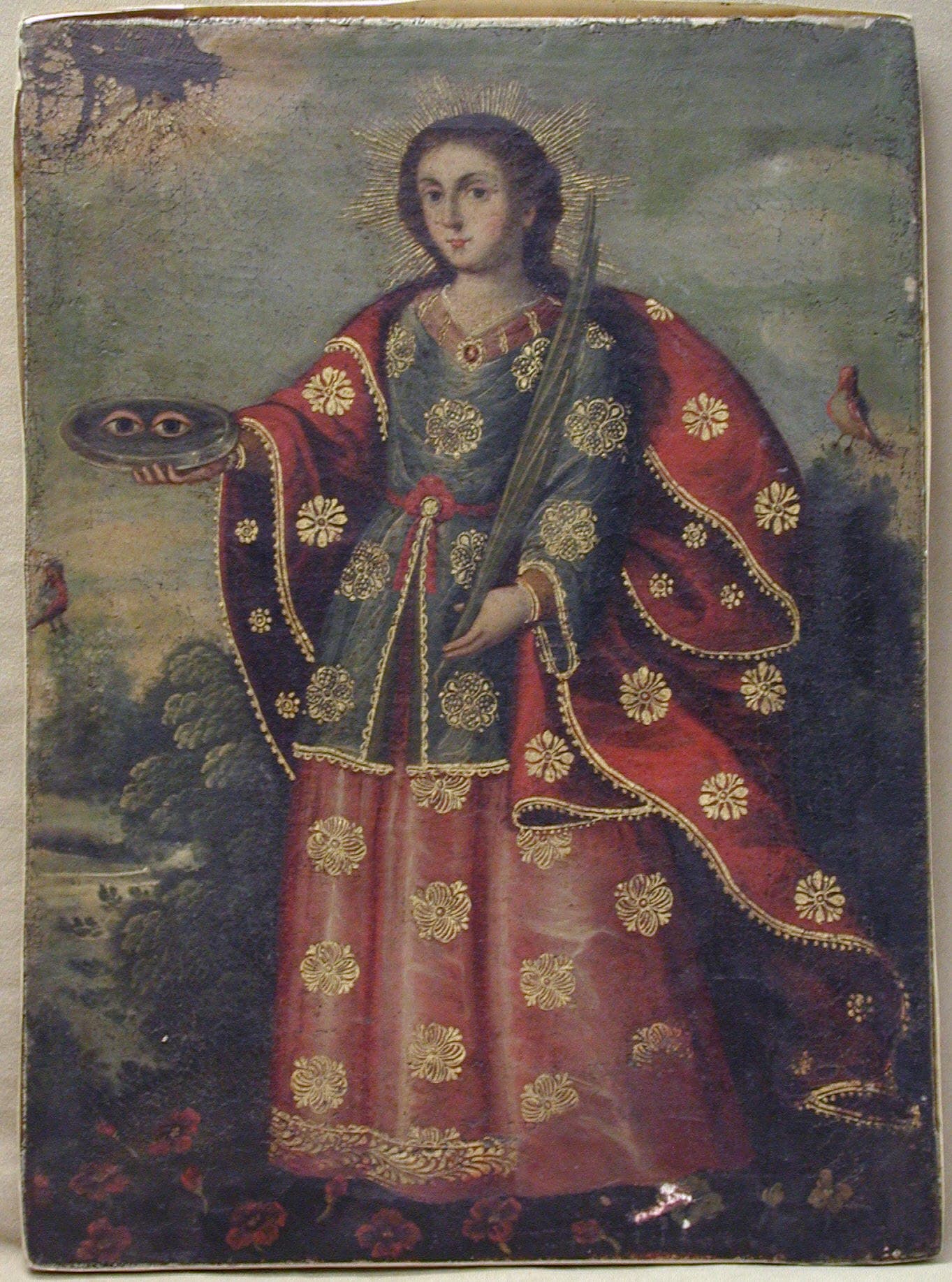
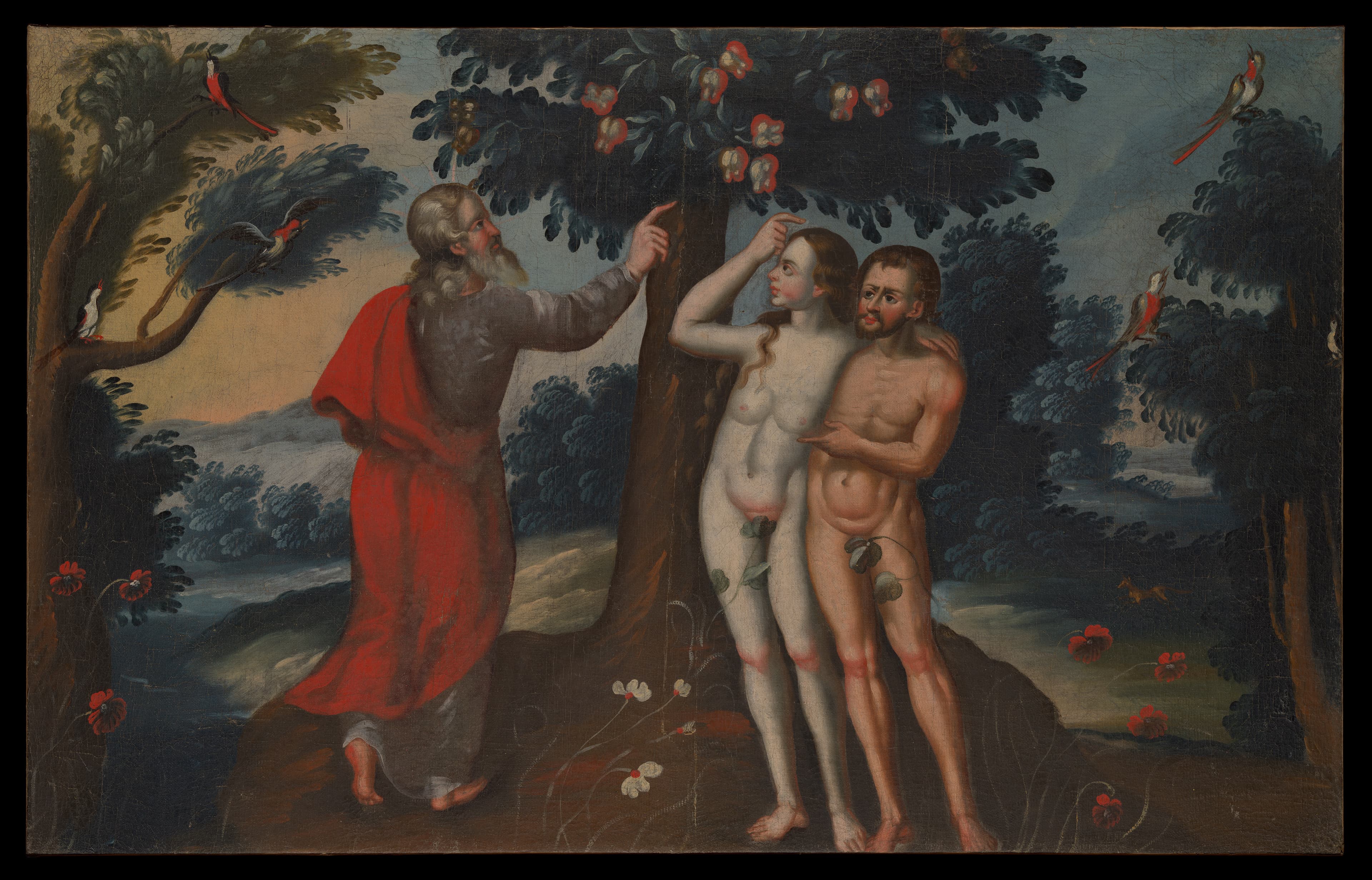
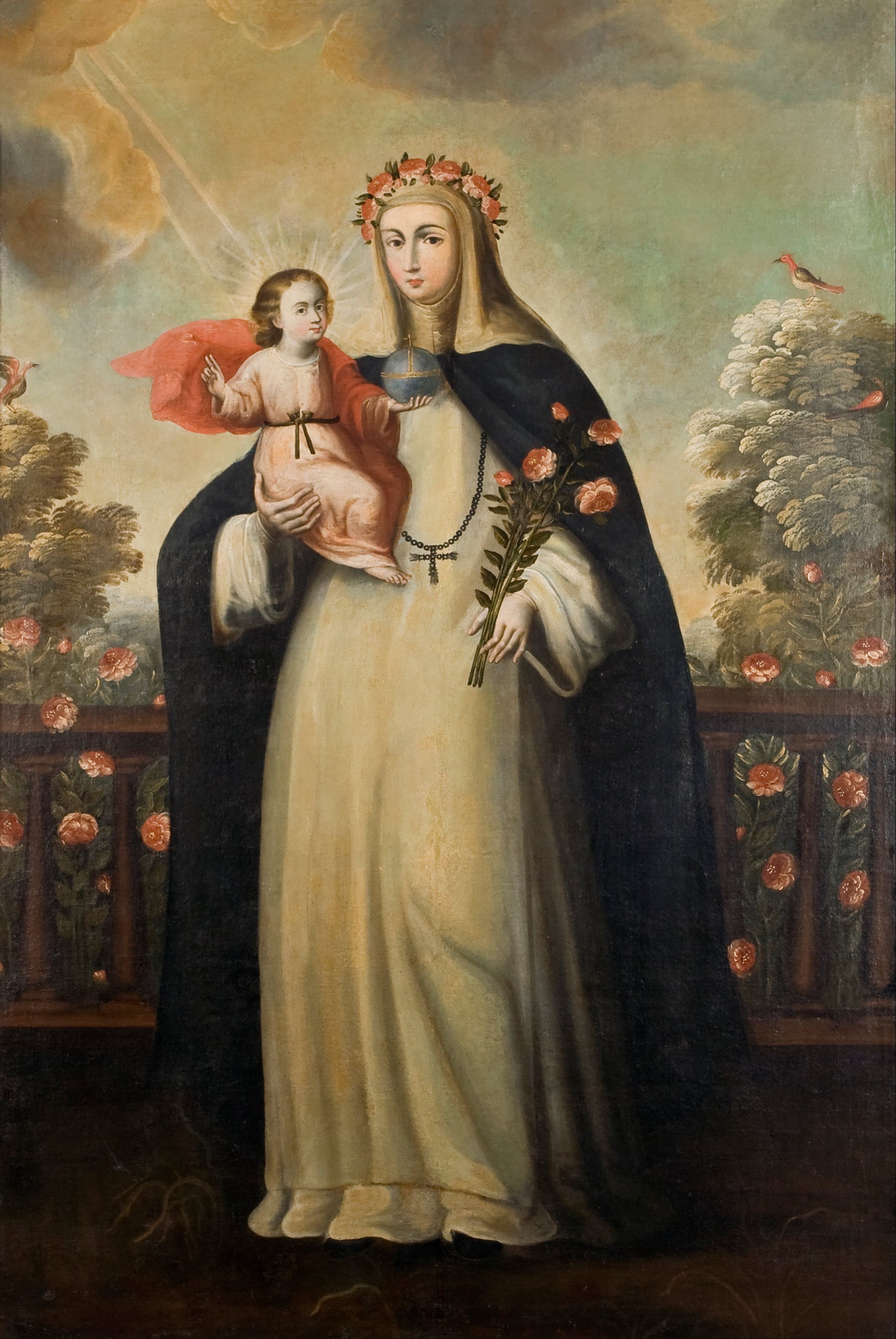
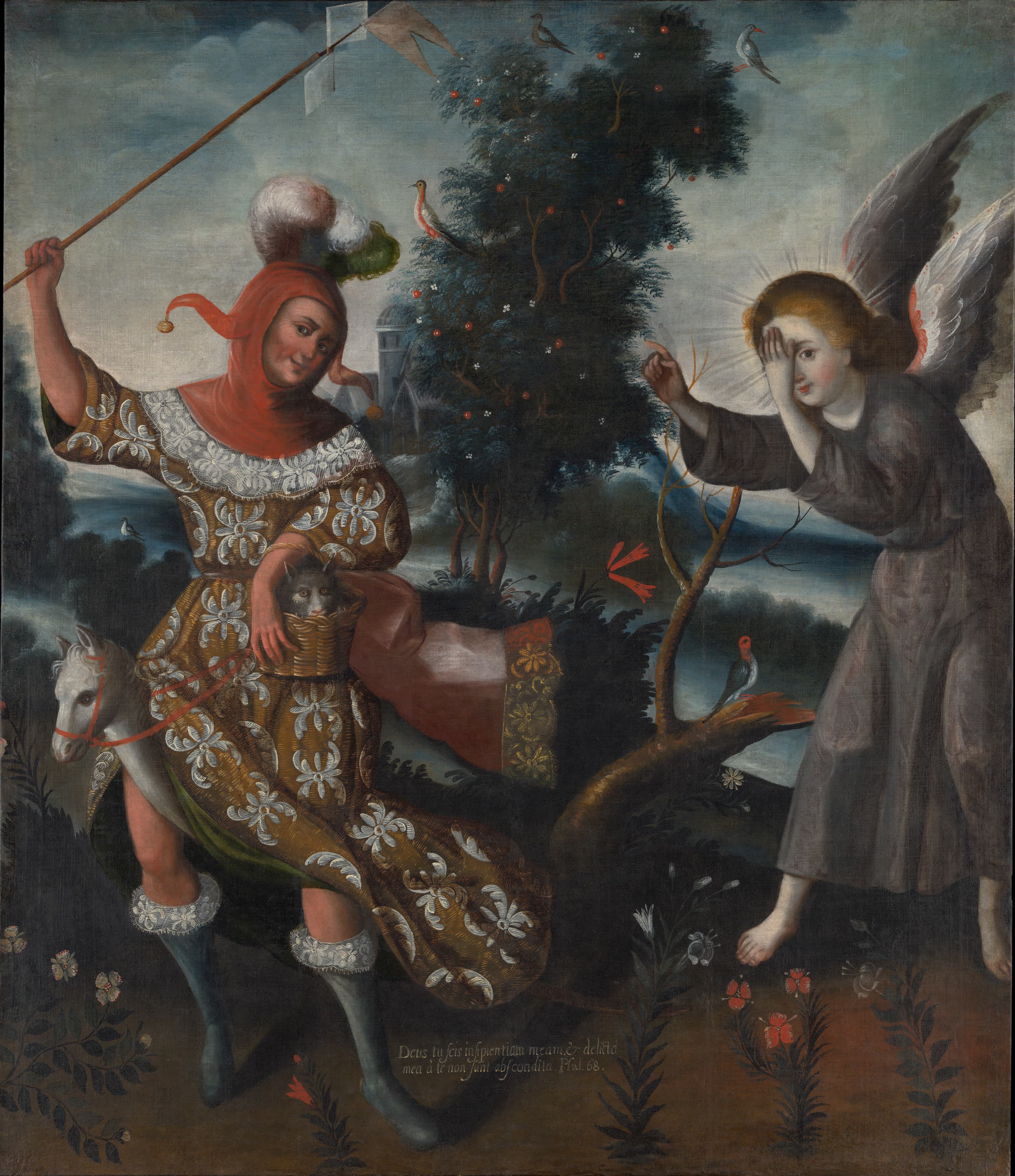
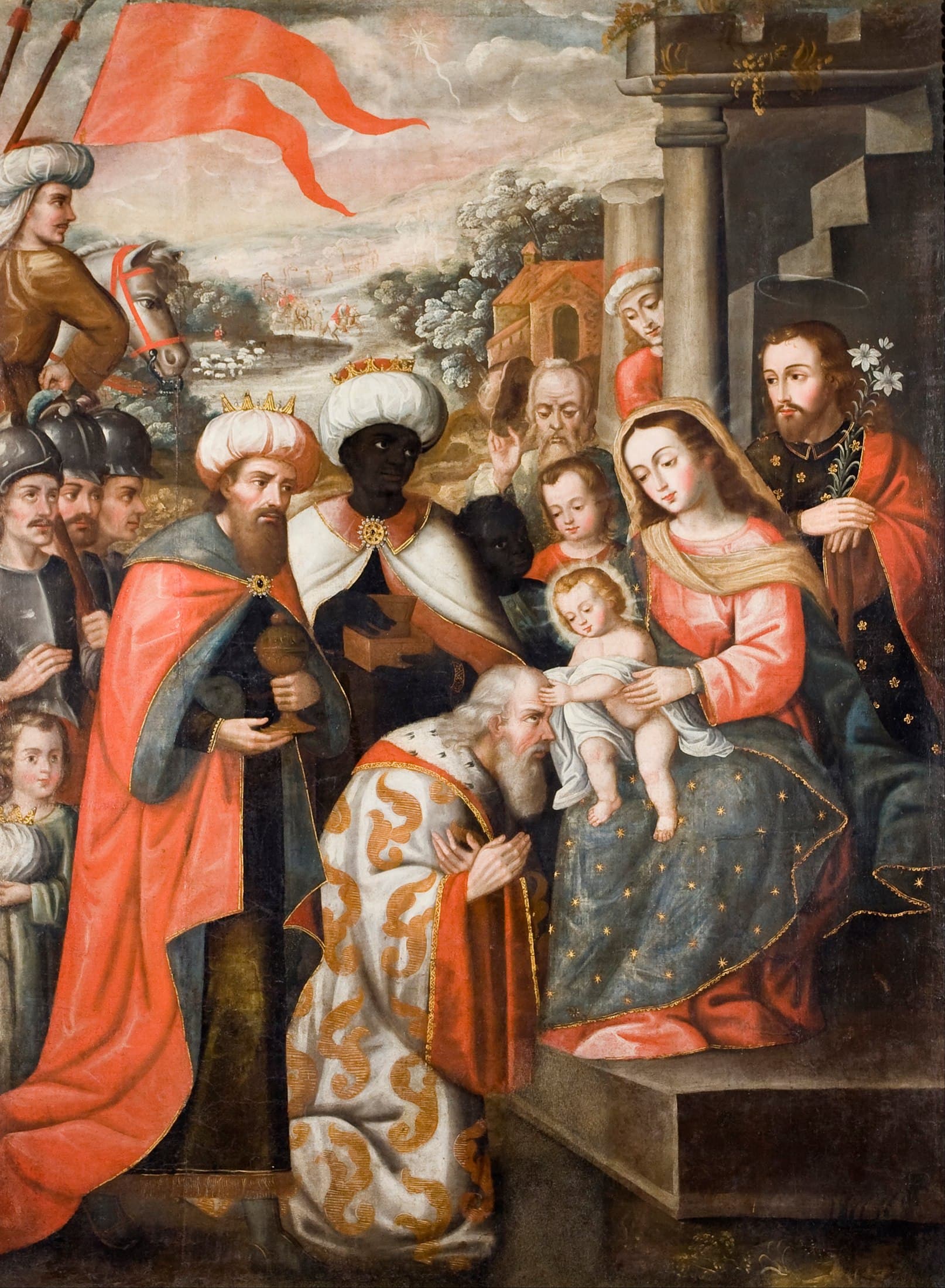
The devotional life of colonial Peru, painted: the Corpus Christi procession that filled Cusco's plaza once a year, the local saints (Rose of Lima, Martín de Porres) who made sanctity American for the first time, and the private allegories — a fallen Christ, a folly emblem, a Genesis scene — that hung in homes rather than churches. This is the collection's widest lens on the world these paintings actually came from.
Enter this collectionThree steps between a colonial-era canvas and your own wall.
I
Browse the four collections — arquebusier angels, gold-leaf Virgins, the named masters, and the wider devotional world.
II
Archival print, gallery canvas, heirloom frame, or a high-res digital download — priced and sized for any wall.
III
Color-managed to the source scan, printed to order on matte art paper or canvas, and shipped to your door.
Part of the Provenance family