The Collection
The Cusco School, ready to hang.
Every piece below is a faithful reproduction of a public-domain masterwork, printed to order on matte art paper and named to its source — the institution or archive that holds the original.
The Arquebusier Angels
Archangels painted as 17th-century Spanish nobles — plumed hats, lace collars, silk breeches — and carrying not swords but arquebuses, the matchlock guns of the Habsburg infantry. A wholly Andean invention: no European painting shows an angel with a gun. Cusco workshops built entire named militias of them, drawn from apocryphal angel lists that named far more than the four archangels of scripture.
View the collection page →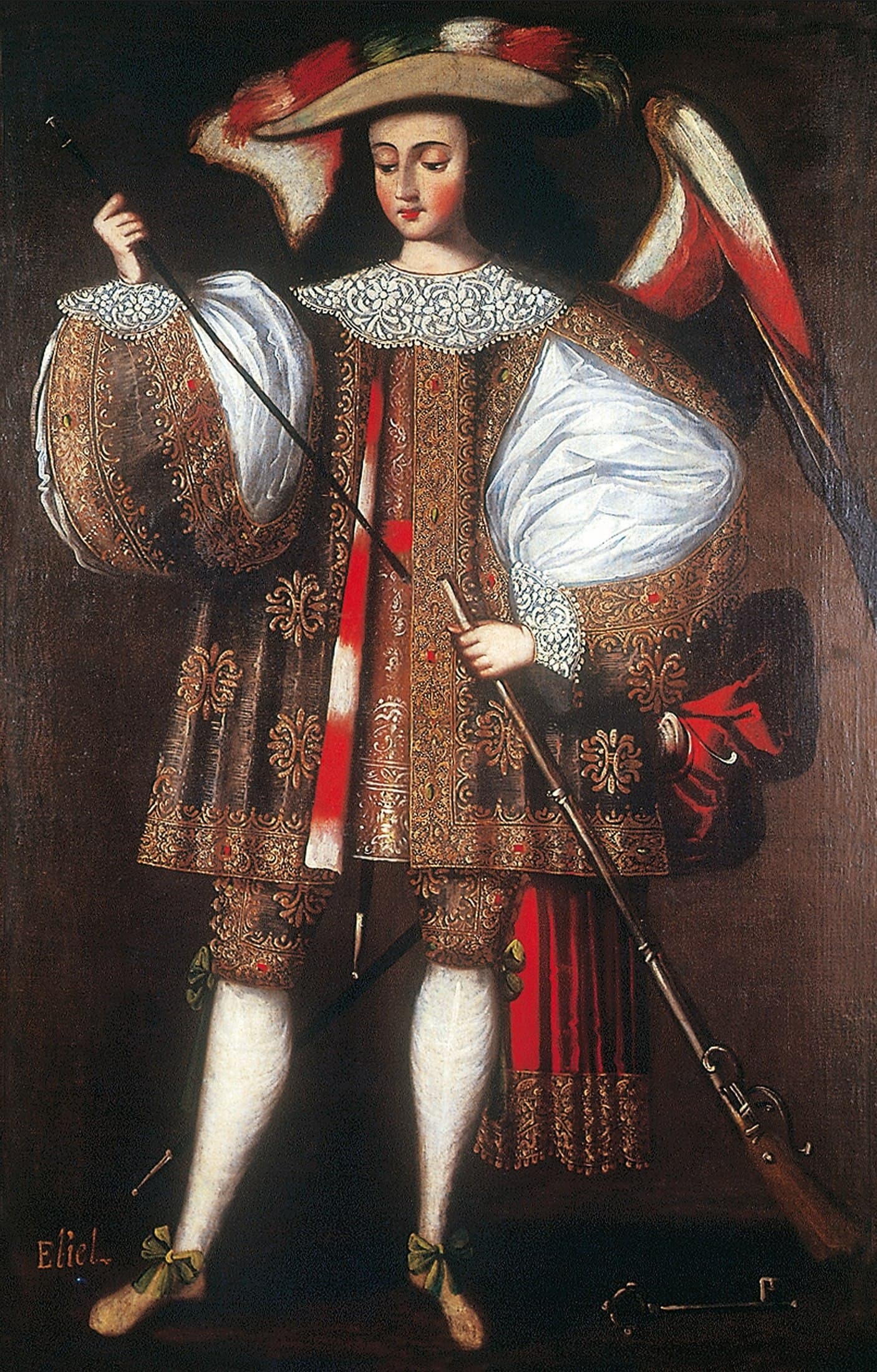
Archangel Eliel with Harquebus
A noble in plumed hat and lace collar, musket shouldered like a courtier's cane.
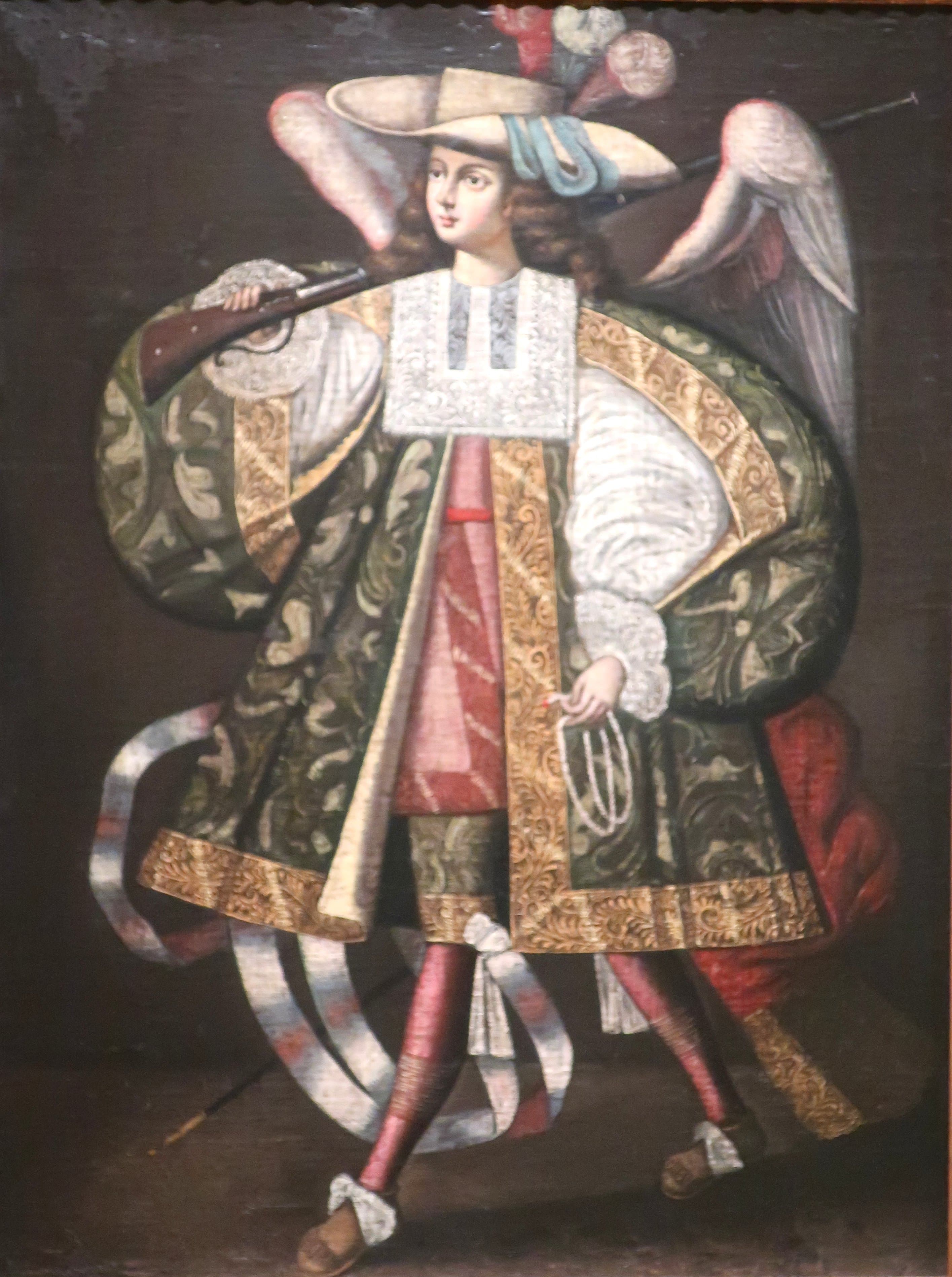
The Archangel Salamiel with a Musket
Winged, armed, and dressed for a viceroy's court — the militia of heaven, Andean-style.
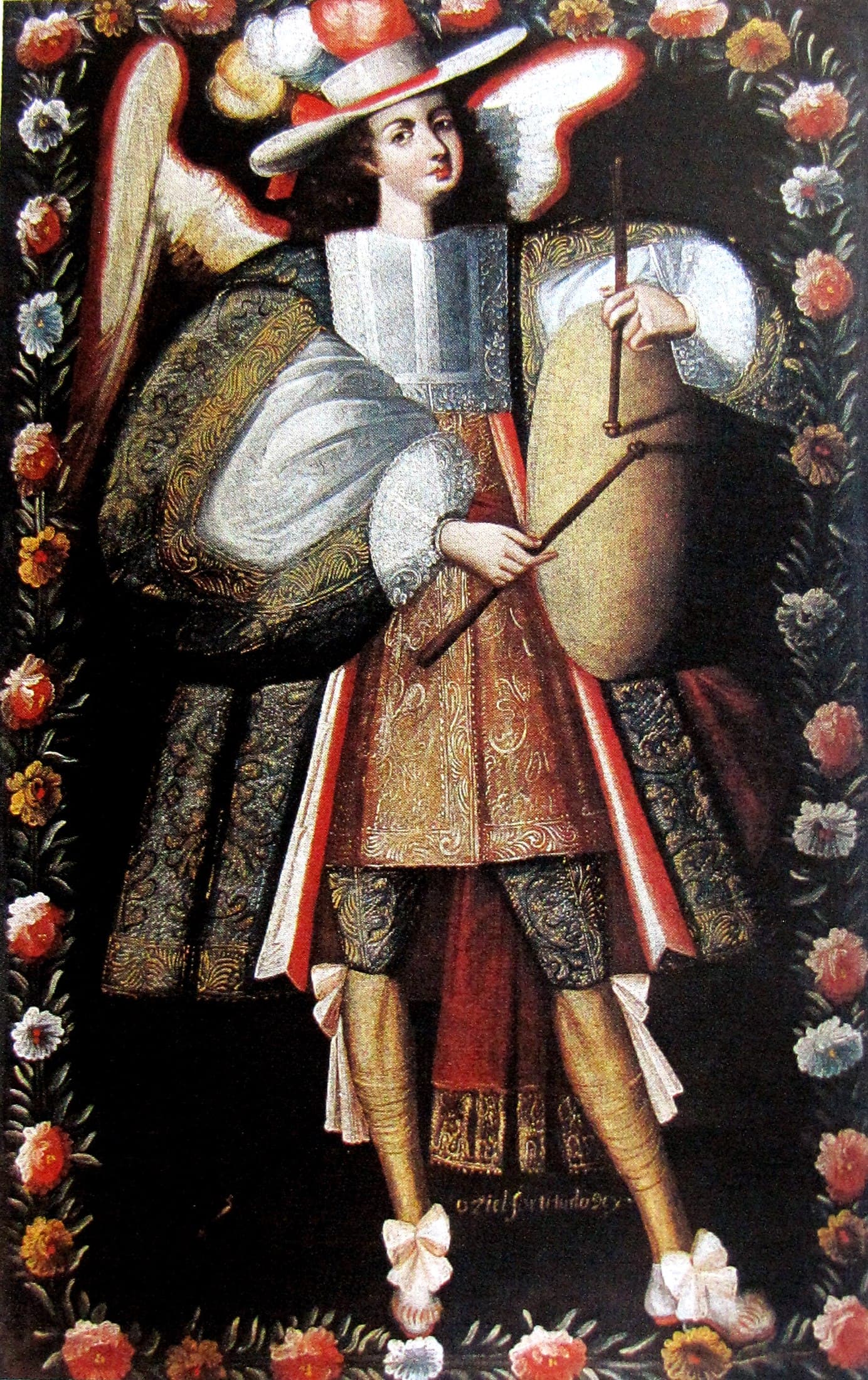
Archangel Josiel
From the angel-wall of Uquía, high in the Argentine Andes — the militia's southern outpost.
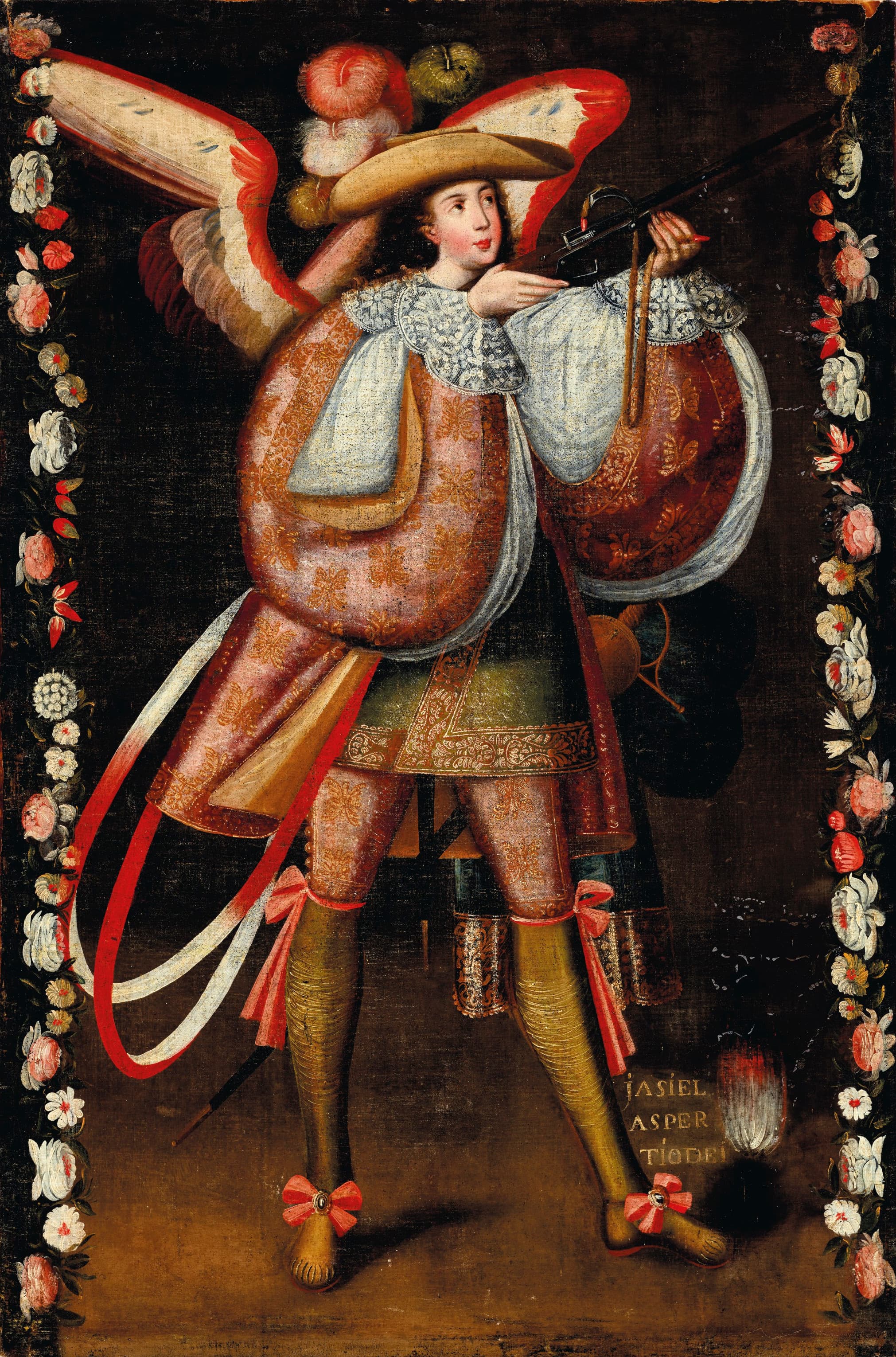
Archangel Asiel, Timor Dei
"The Fear of God" — one of the militia's most reproduced names, now sourced.
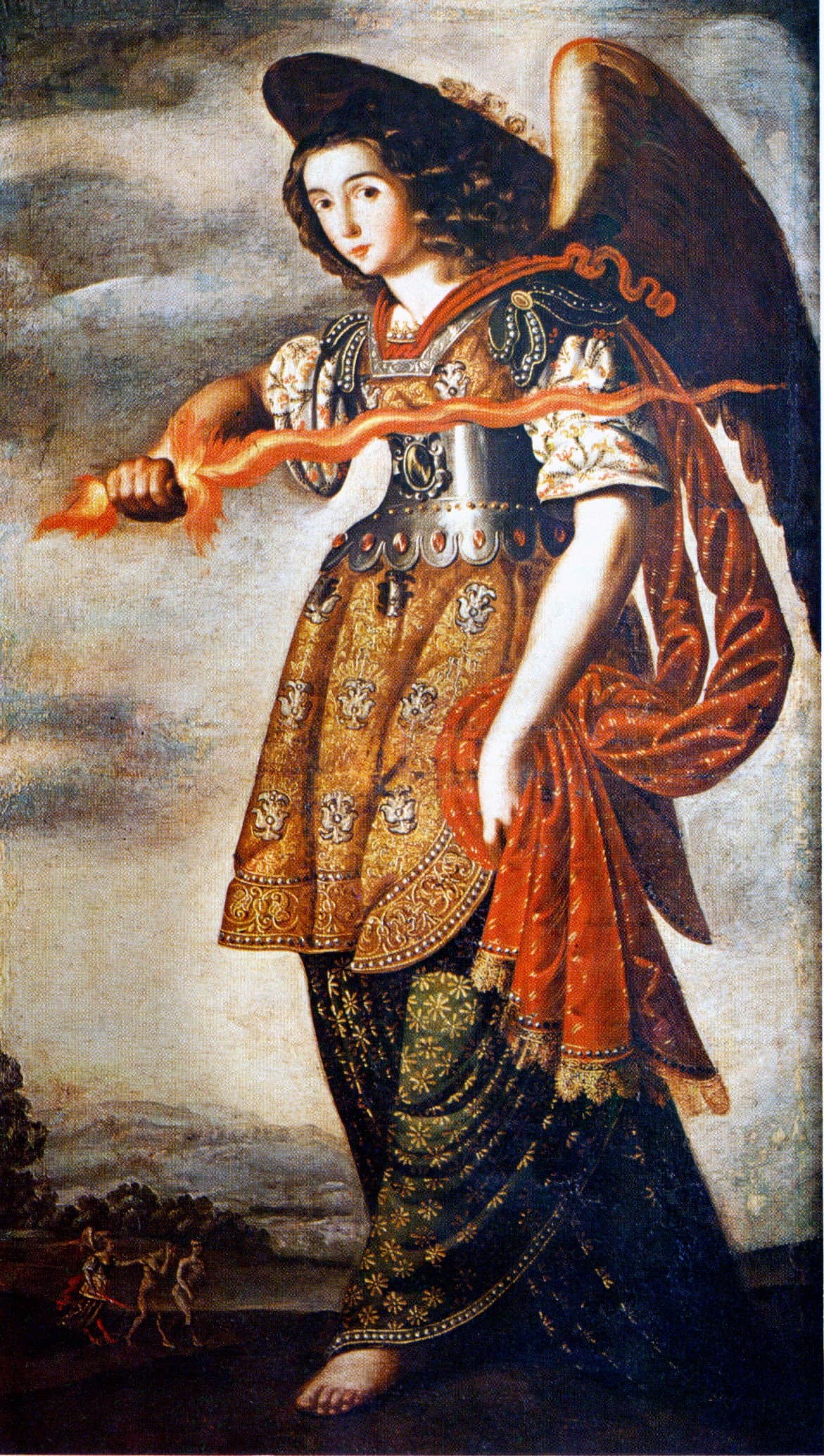
Uriel, Arquebusier
One of the four canonical archangels, dressed for the same militia as his invented siblings.
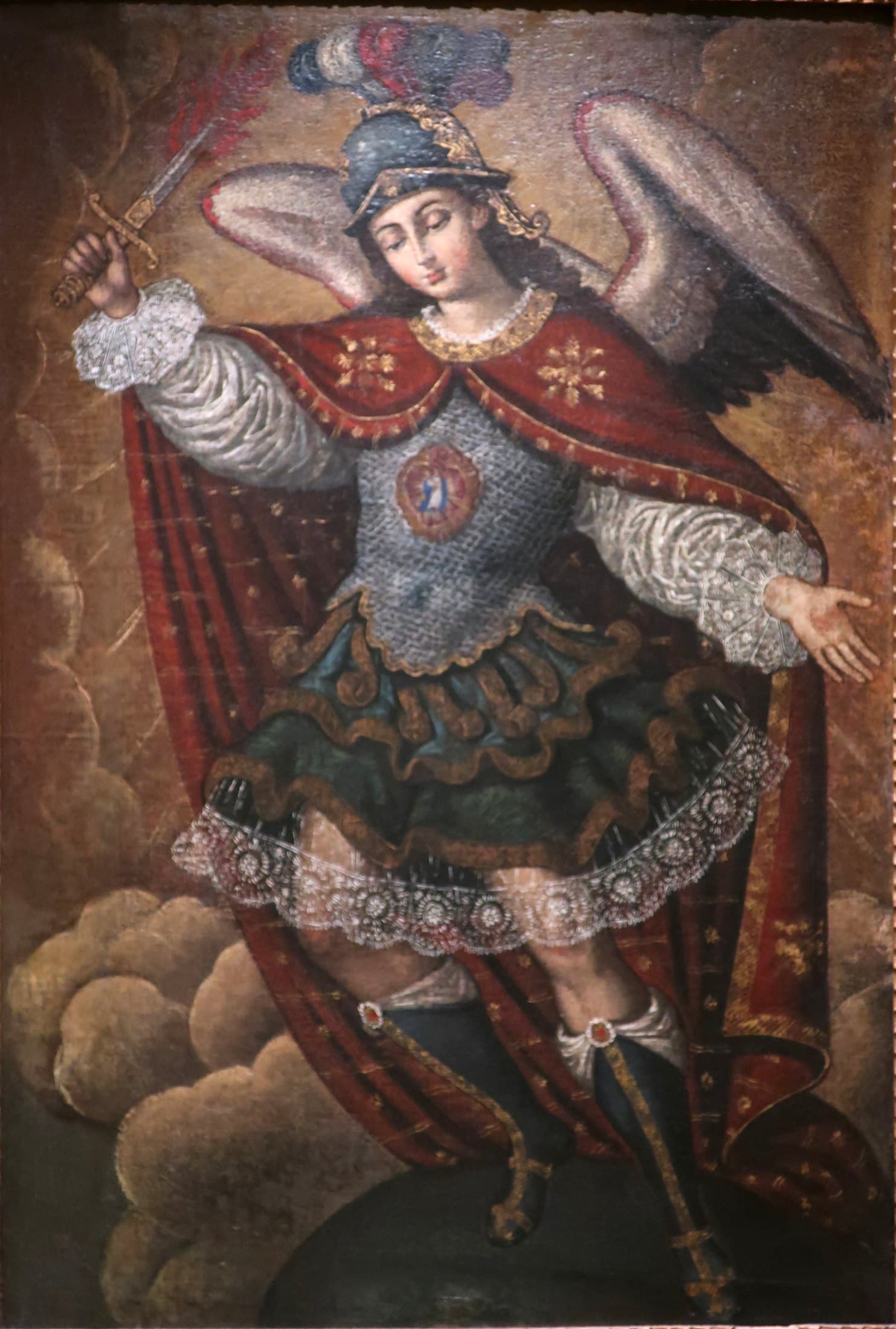
The Archangel Jophiel
A less common militia name — "the Beauty of God" — in the same plumed-and-armed dress.
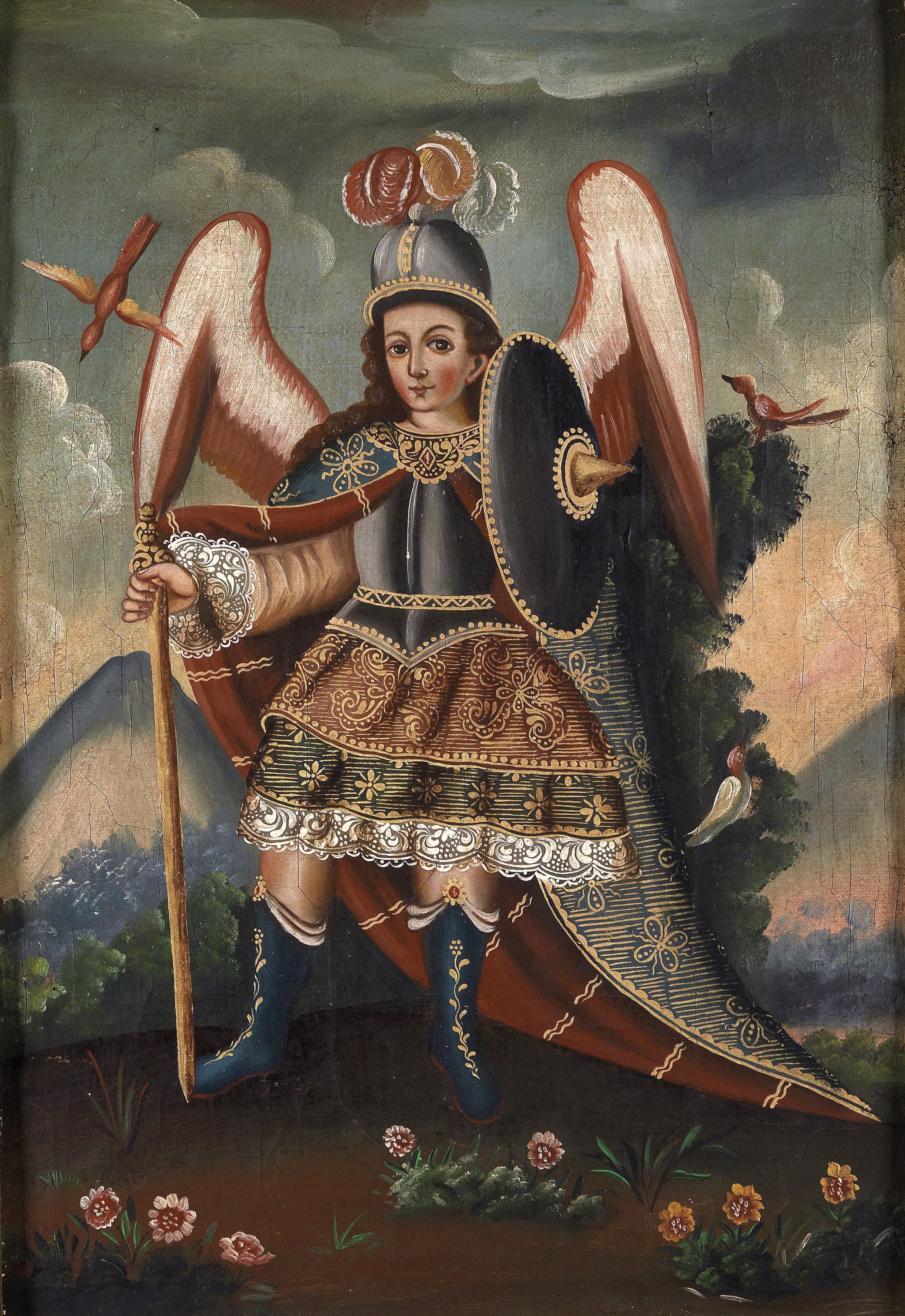
Archangel Raphael
The archangel of healing and travel, folded into the same militia visual language.
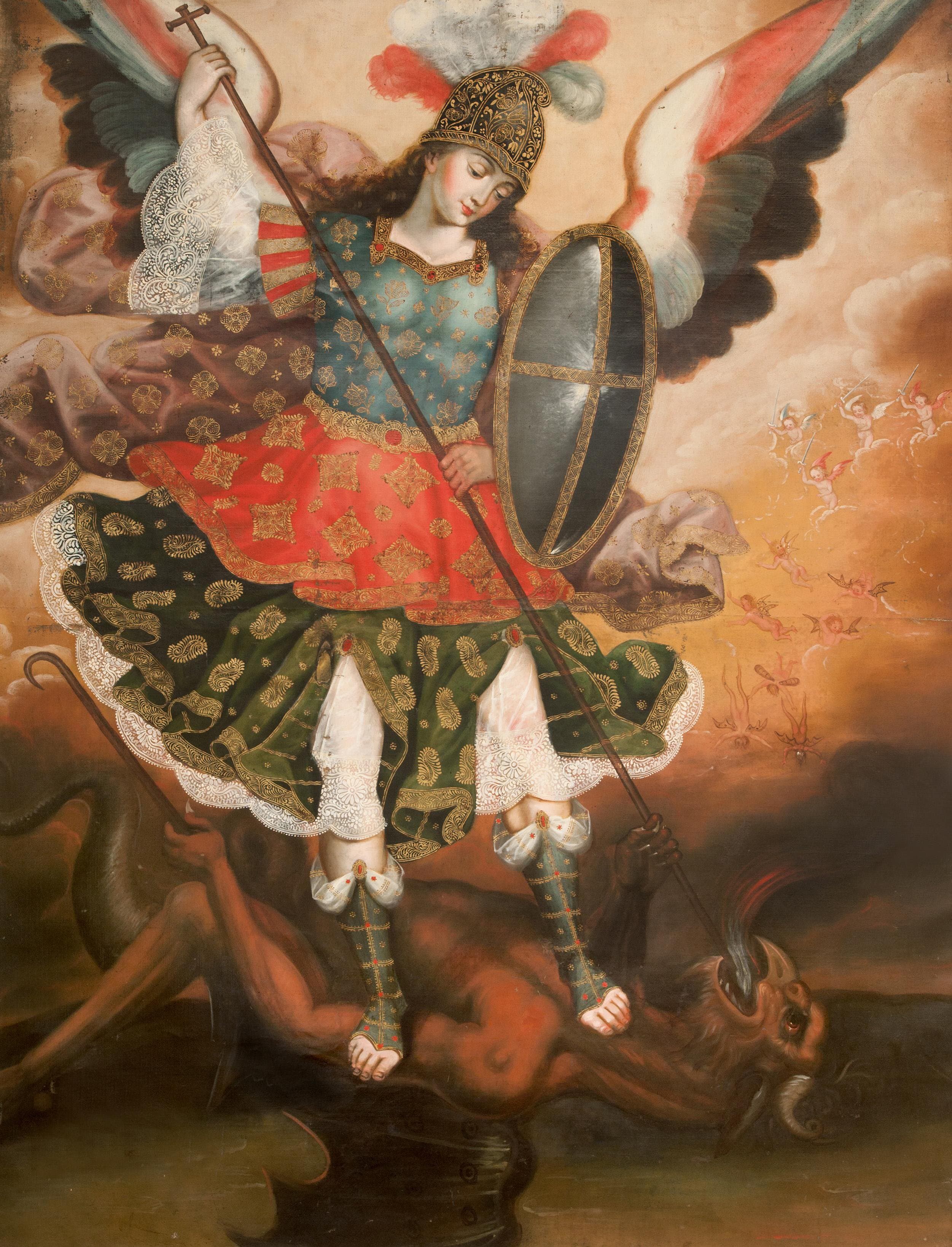
Saint Michael the Archangel
Heaven's field marshal, painted in the same courtier-and-arquebus grammar as his militia.

Angel Arcabucero
A later, 19th-century echo of the militia format — the tradition still being painted generations on.
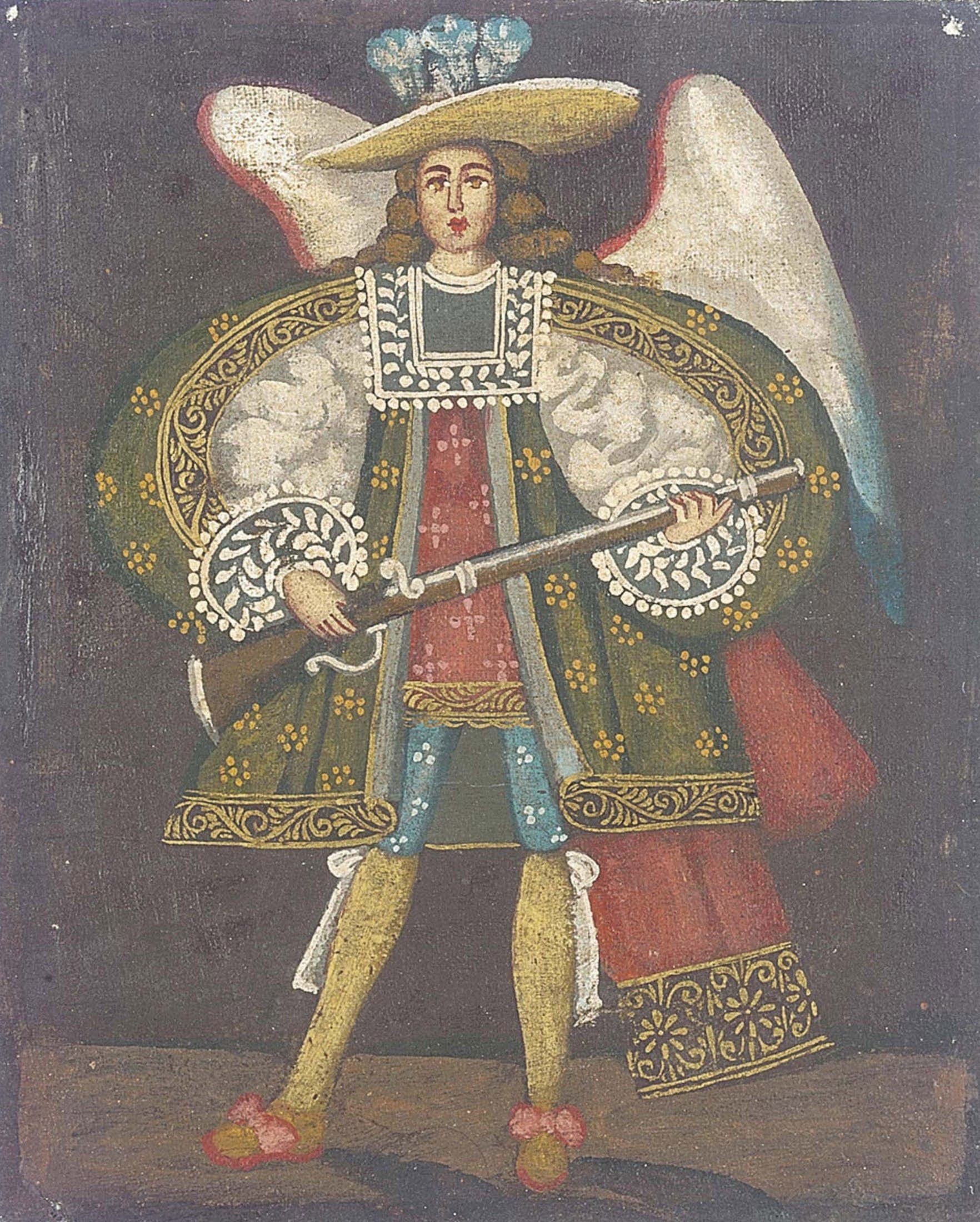
Angel Arcabucero
An unnamed member of the militia — the format survives even where the angel's name doesn't.
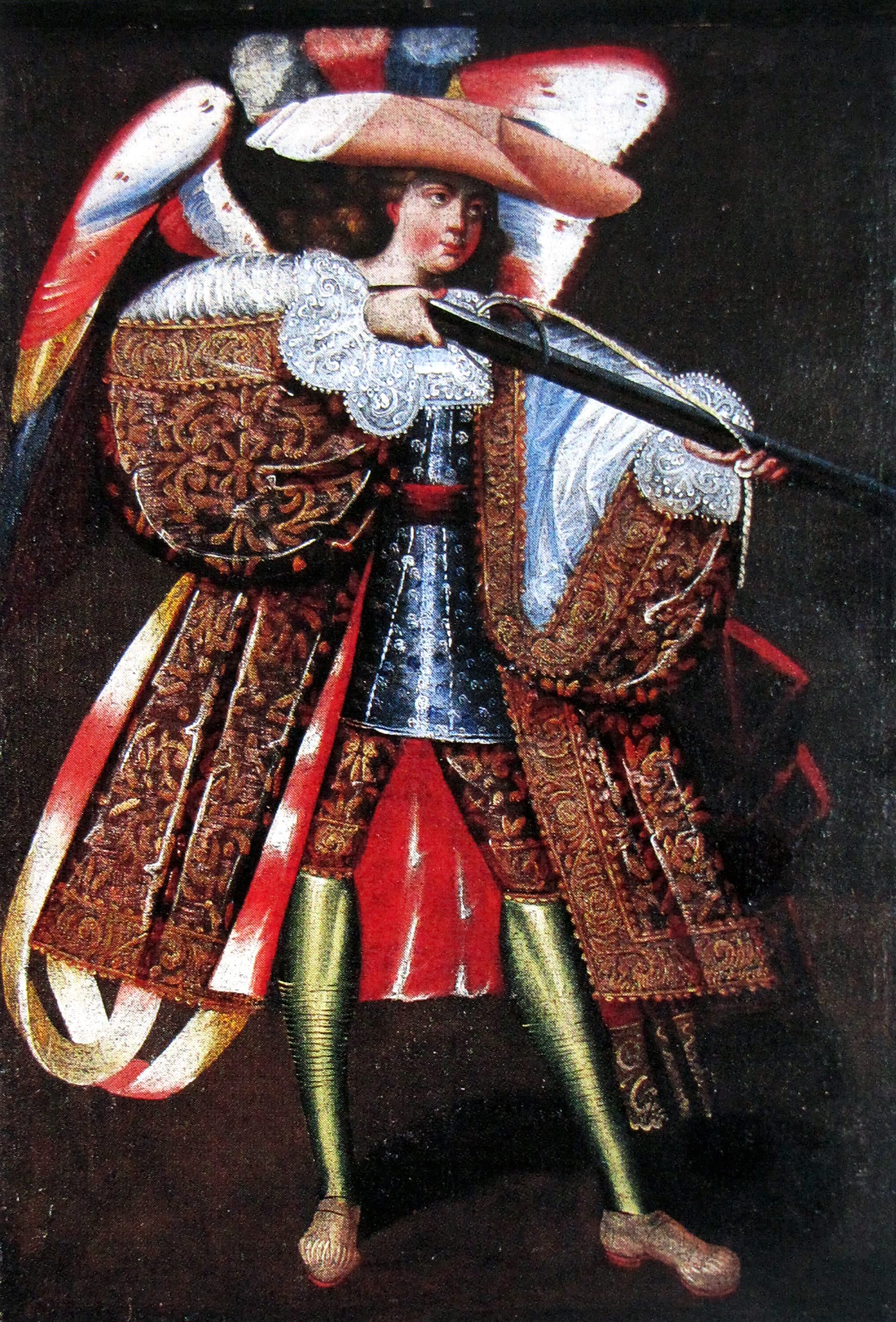
Arquebusier Angel of Casabindo
From the high-Andean church at Casabindo, Argentina — Uquía's sister site for the militia.
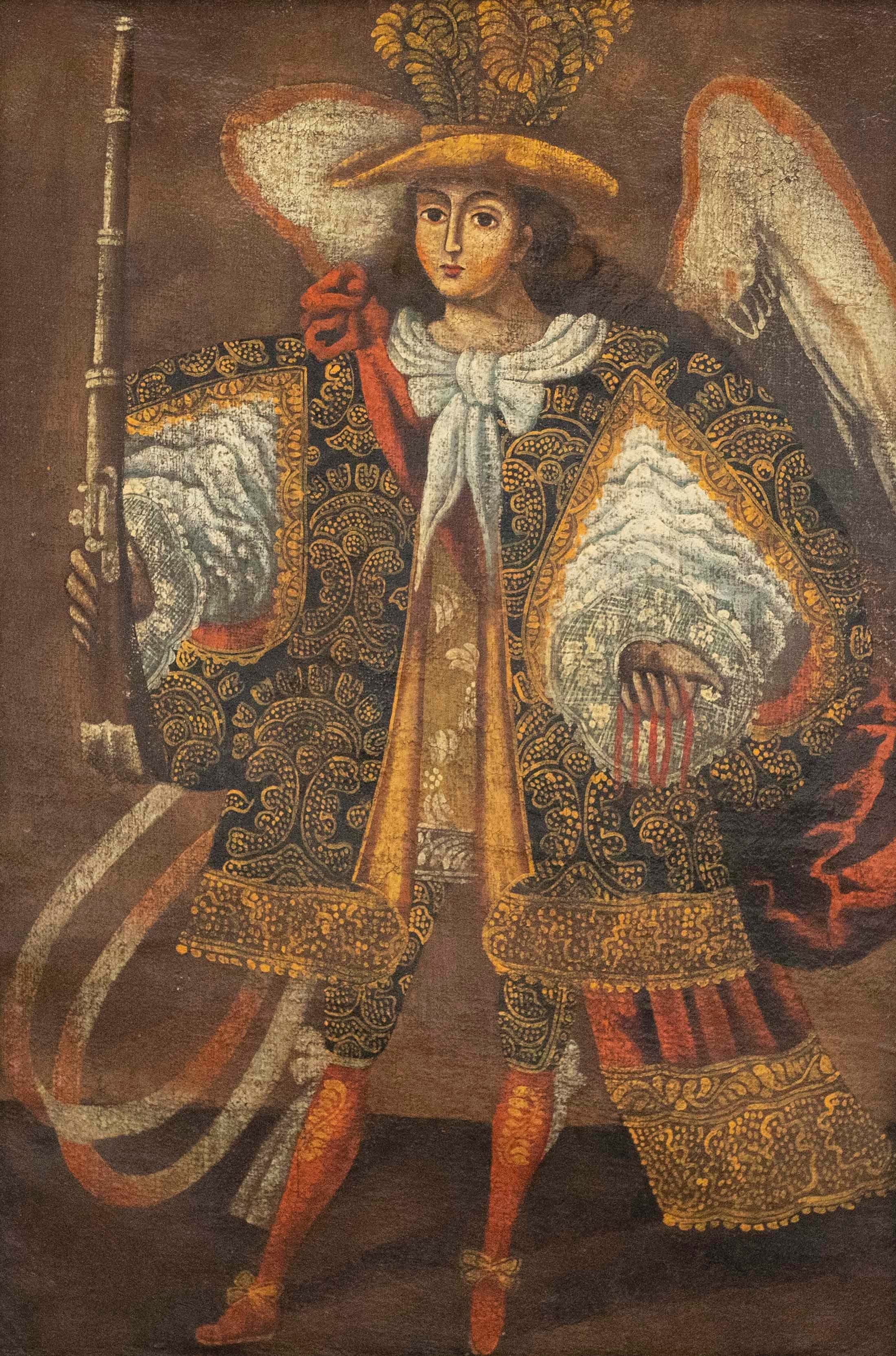
Archangel, Arquebusier
Another unnamed militia member, its inscription lost — still Cusco School work of the first rank.
The Virgin, in Gold
Marian icons built up in brocateado — real gold leaf, tooled and stippled directly onto the paint, turning the Virgin's mantle into a sheet of hammered light. Each carries the name of the shrine that made her a pilgrimage saint: Cocharcas, Guápulo, Copacabana. In the most radical of these images, Mary's body becomes the silver mountain of Potosí itself — the wealth of an empire, made devotional.
View the collection page →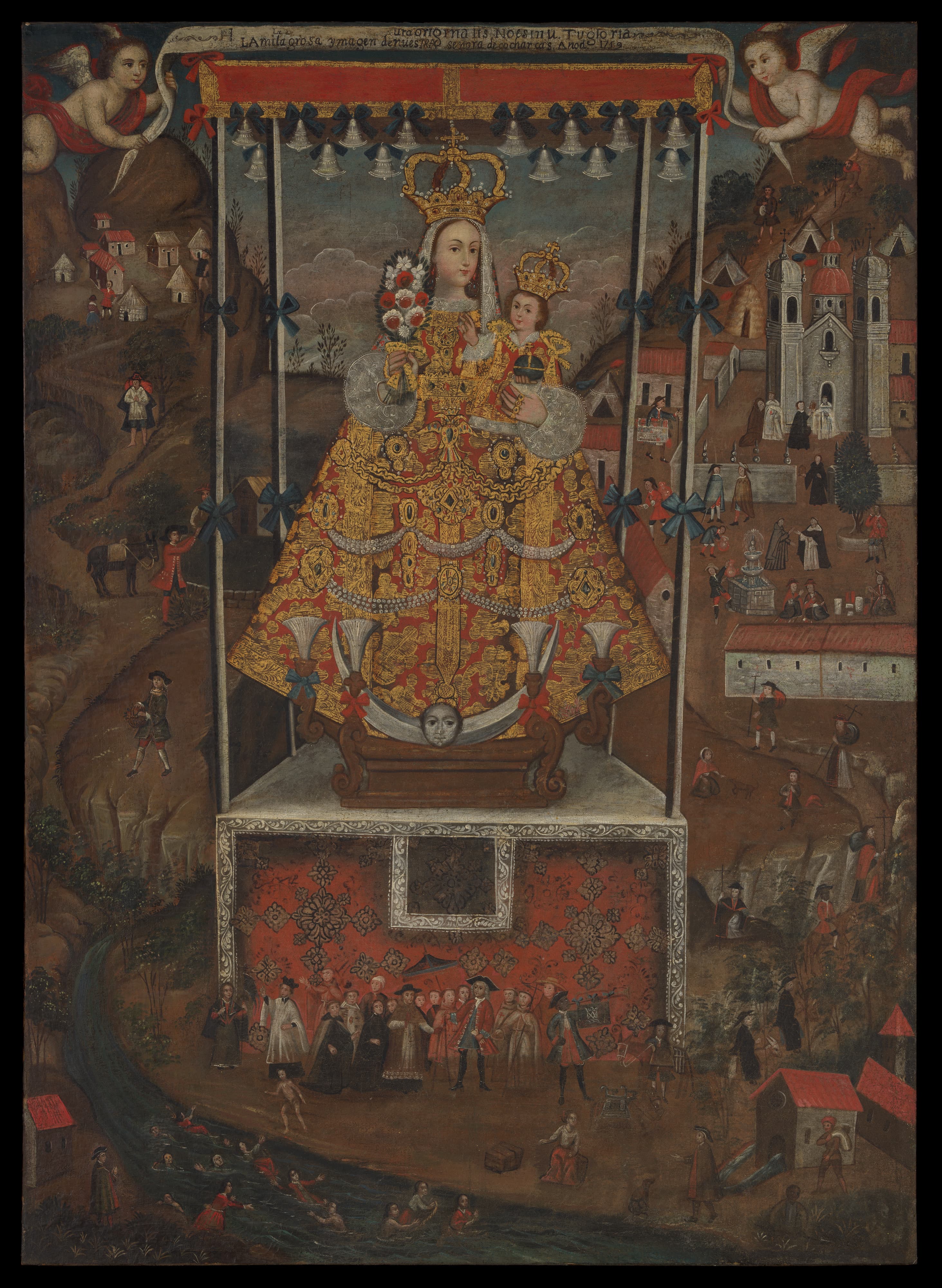
Our Lady of Cocharcas
The Virgin of a Peruvian mountain shrine, built up in real gold leaf.
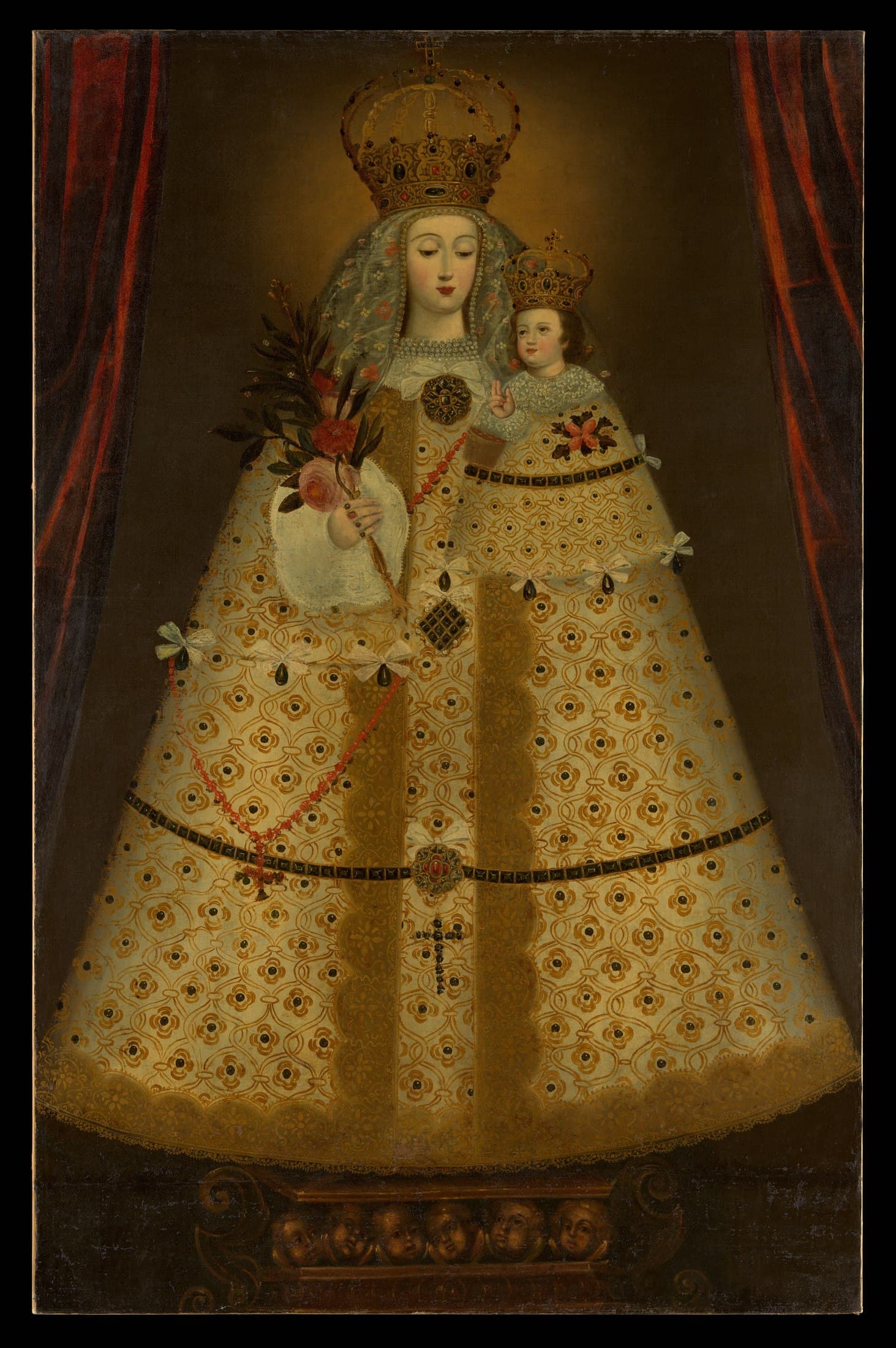
Our Lady of Guápulo
A pilgrimage Virgin from the hills above Quito, painted in full Cusco gold.
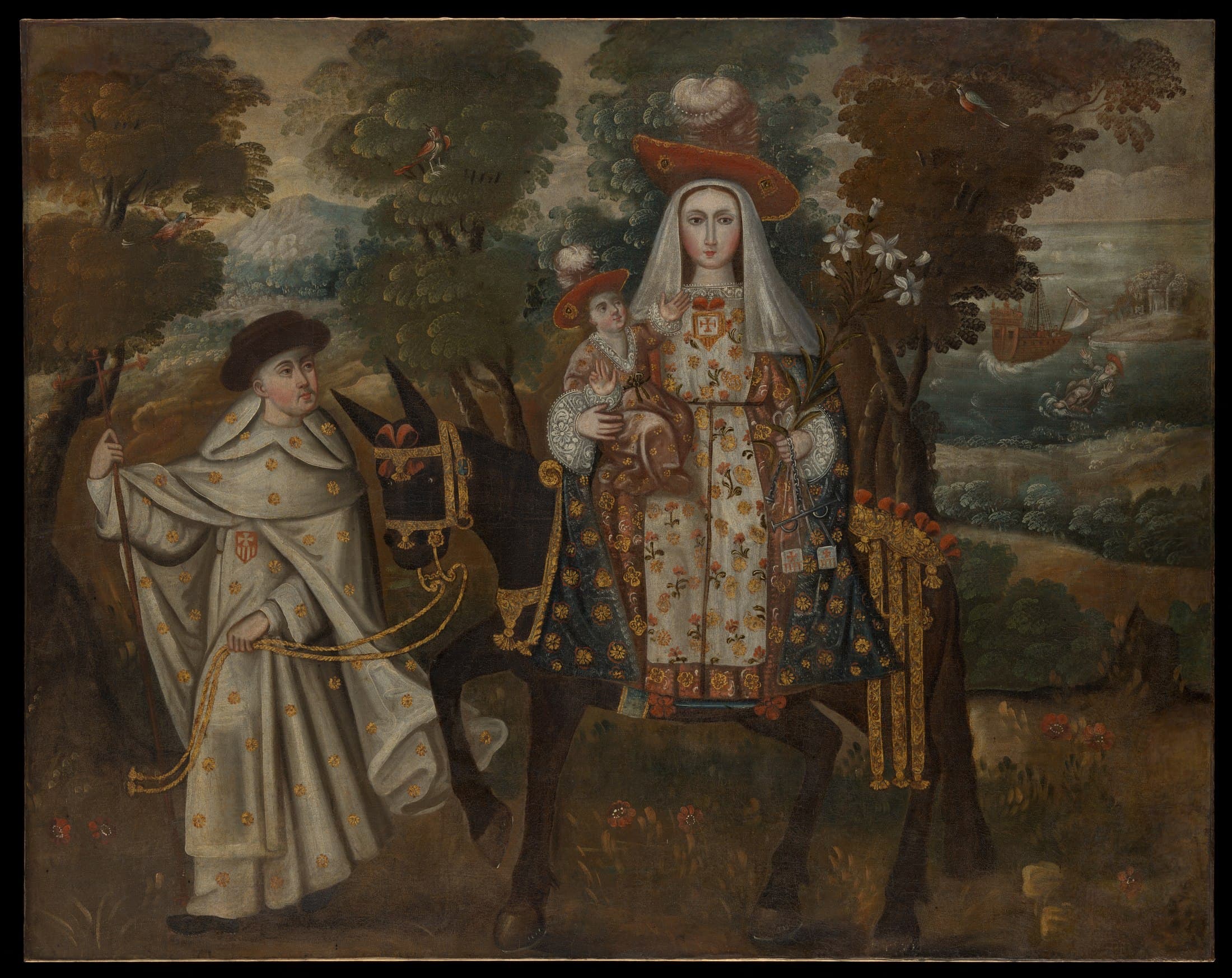
Our Lady of Mercy, called "The Pilgrim of Quito"
The Virgin as an actual traveler — staff, cloak, and the road still in her feet.

Our Lady of Valvanera
A Spanish shrine Virgin, carried across the Atlantic and repainted in Andean gold.
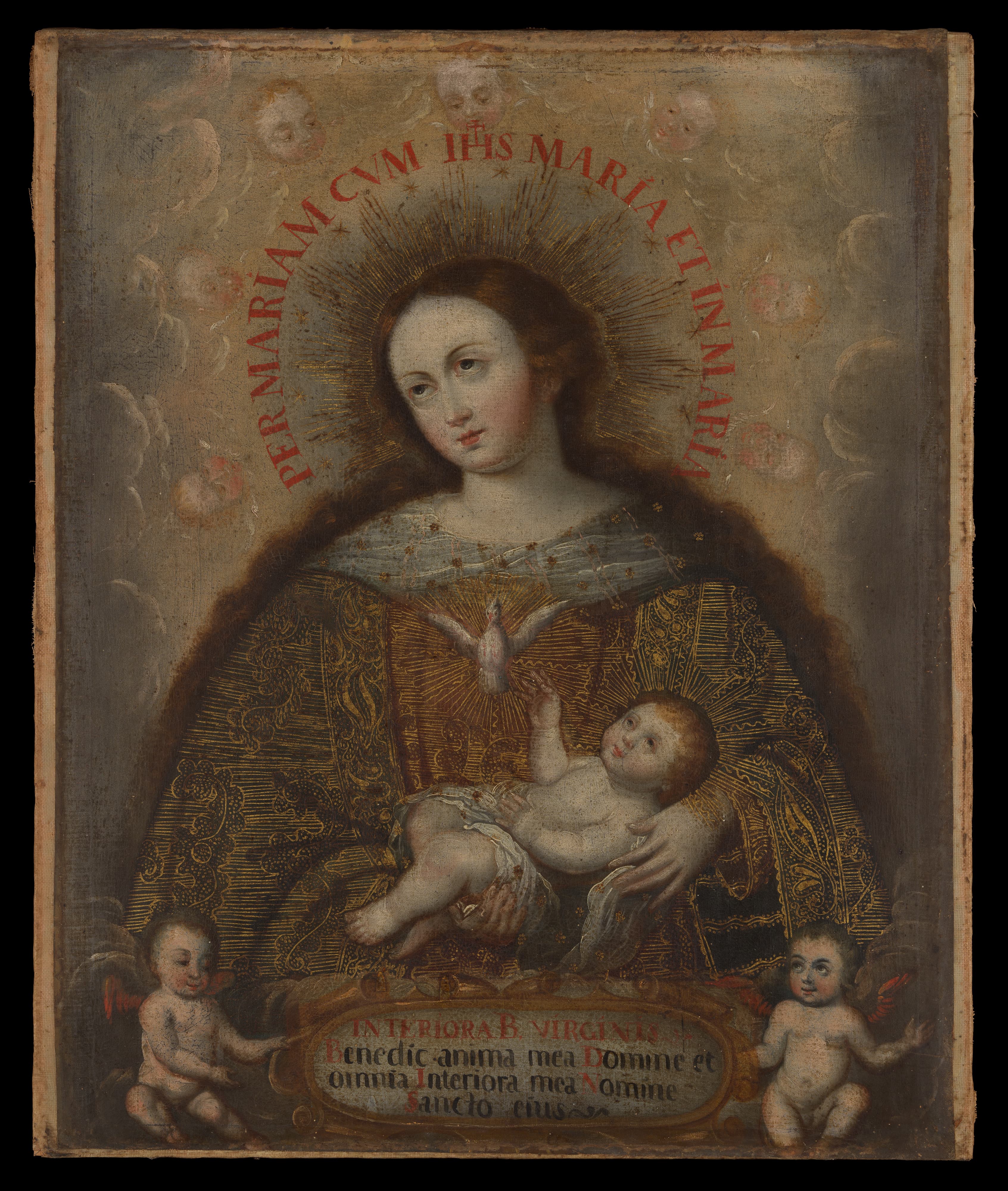
The Soul of the Virgin Mary
An allegorical portrait — Mary's soul, not her body, rendered as a crowned figure of light.
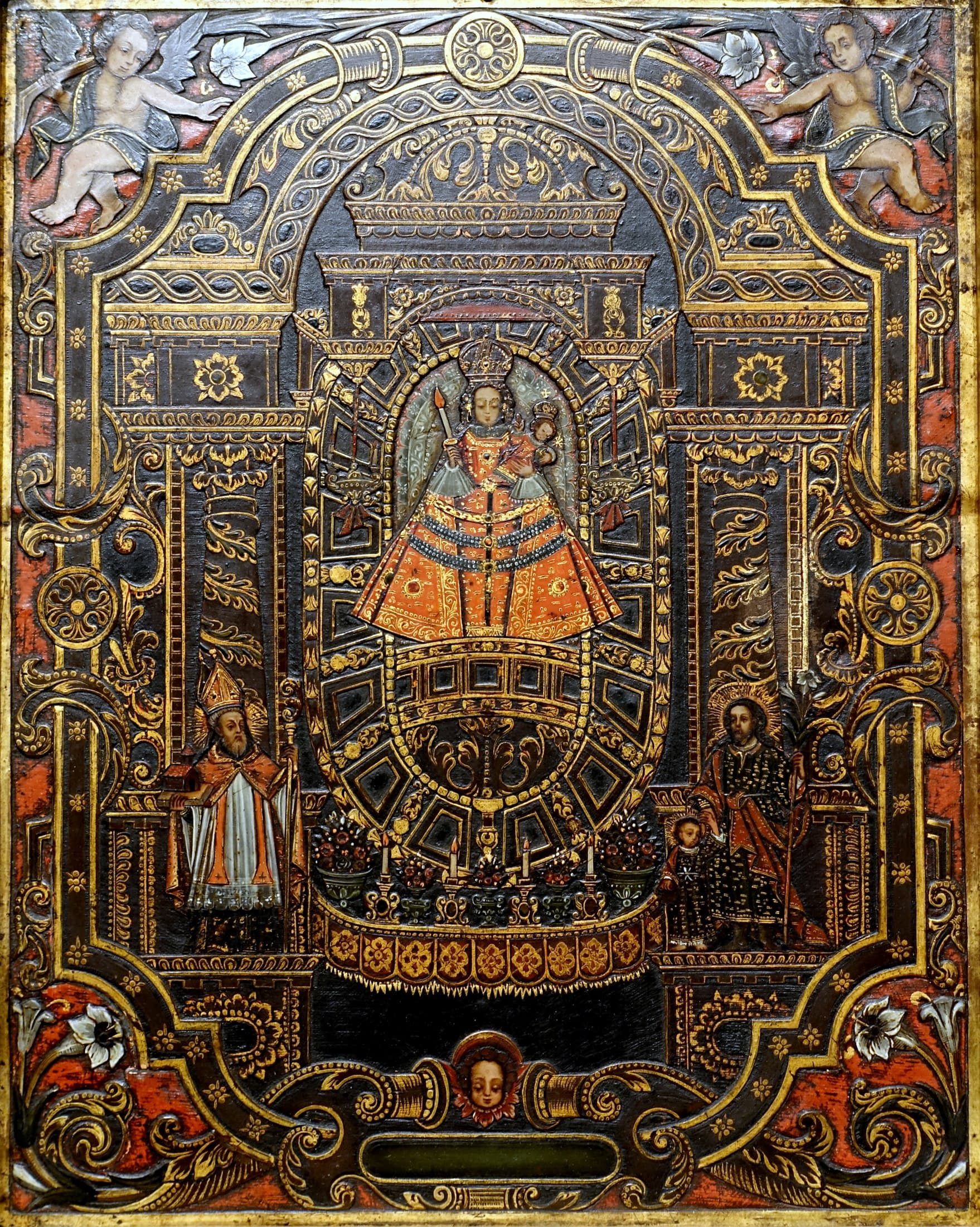
Our Lady of Copacabana
The Virgin of Lake Titicaca's shrine — the pilgrimage Mary that gave a Brazilian beach its name.
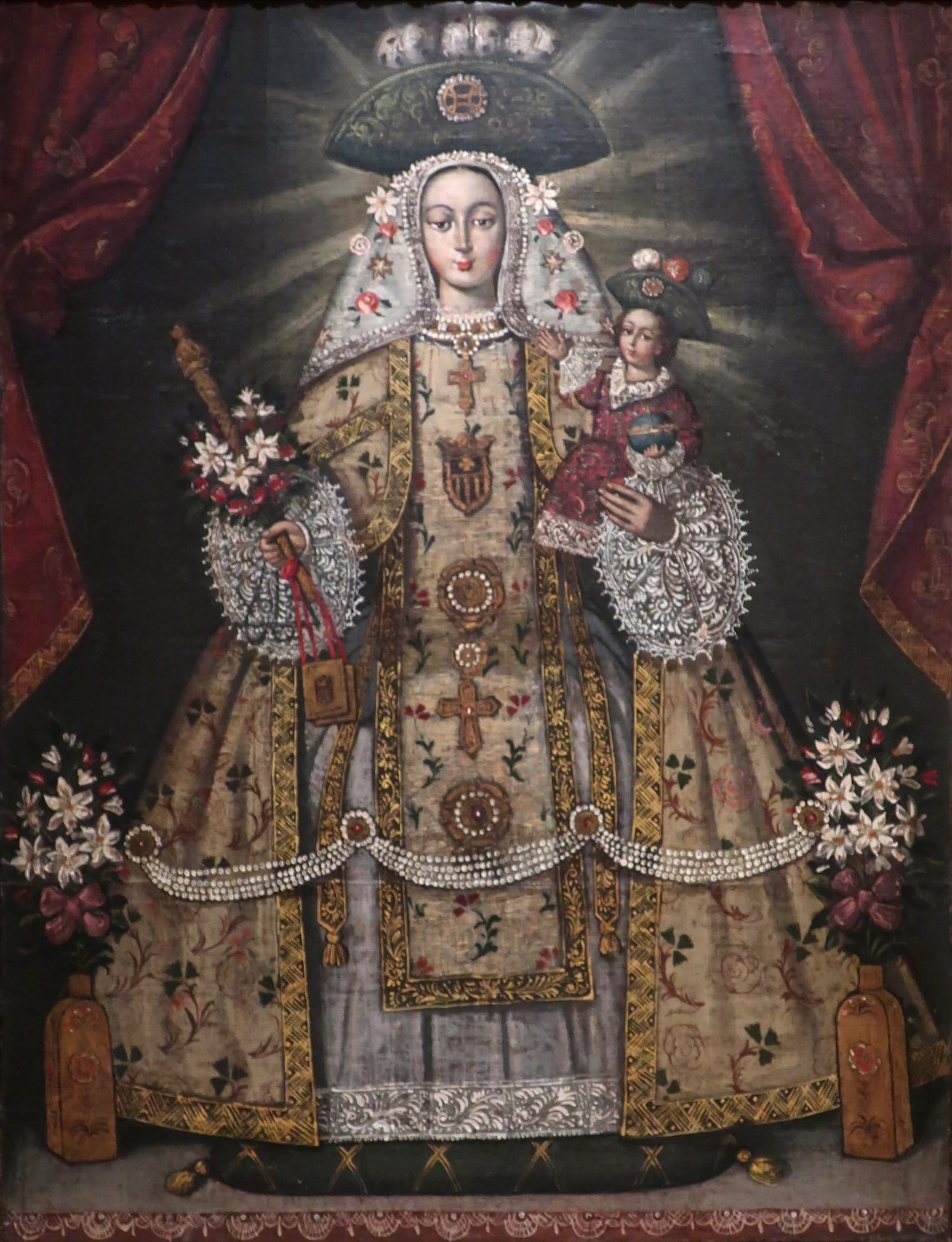
Our Lady of the Rosary of Pomata
A Dominican shrine Virgin from the Lake Titicaca altiplano, enthroned with the Christ Child.
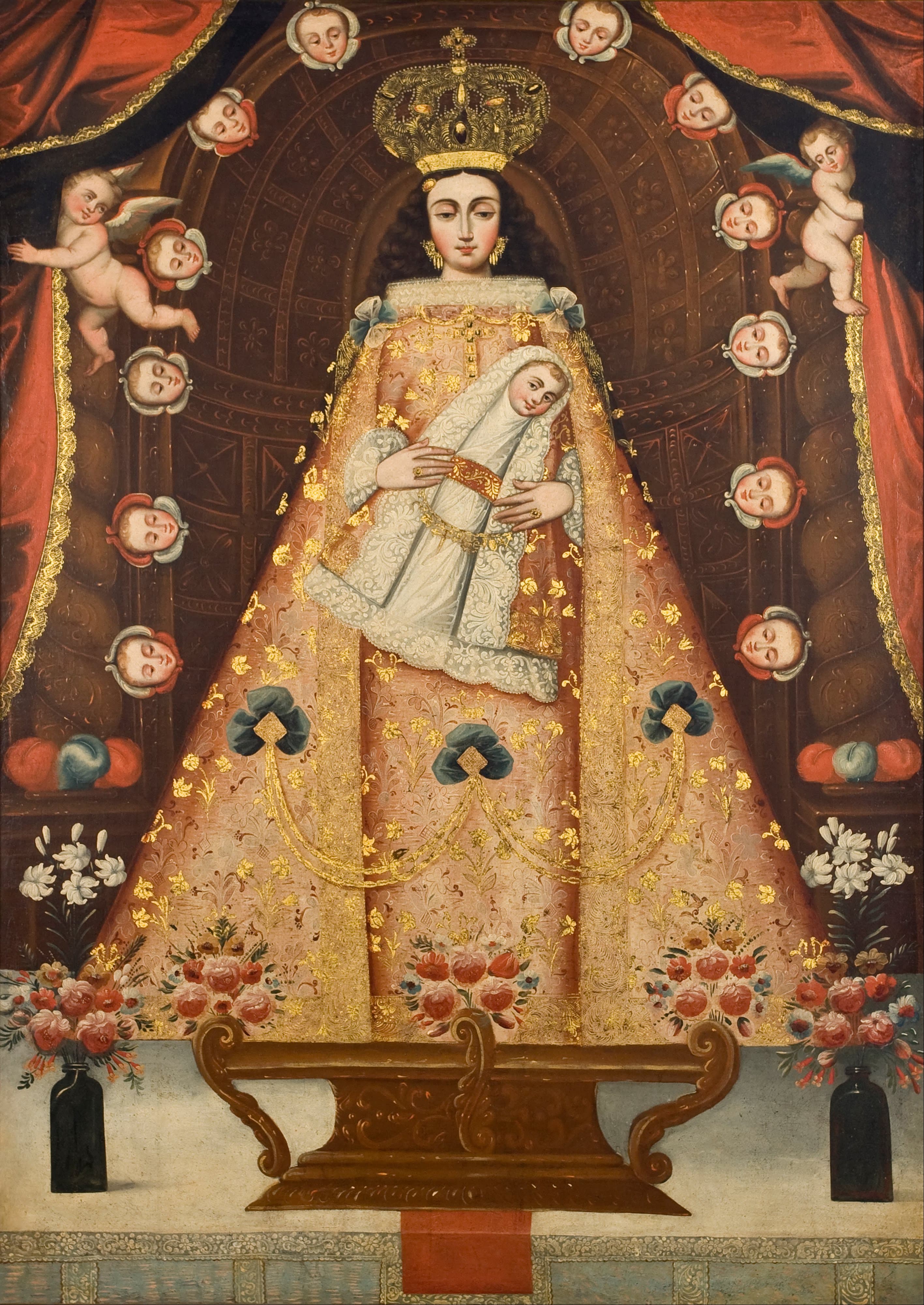
Virgin of Bethlehem
A nativity-themed Marian type, painted with the same devotional gold as the pilgrimage Virgins.
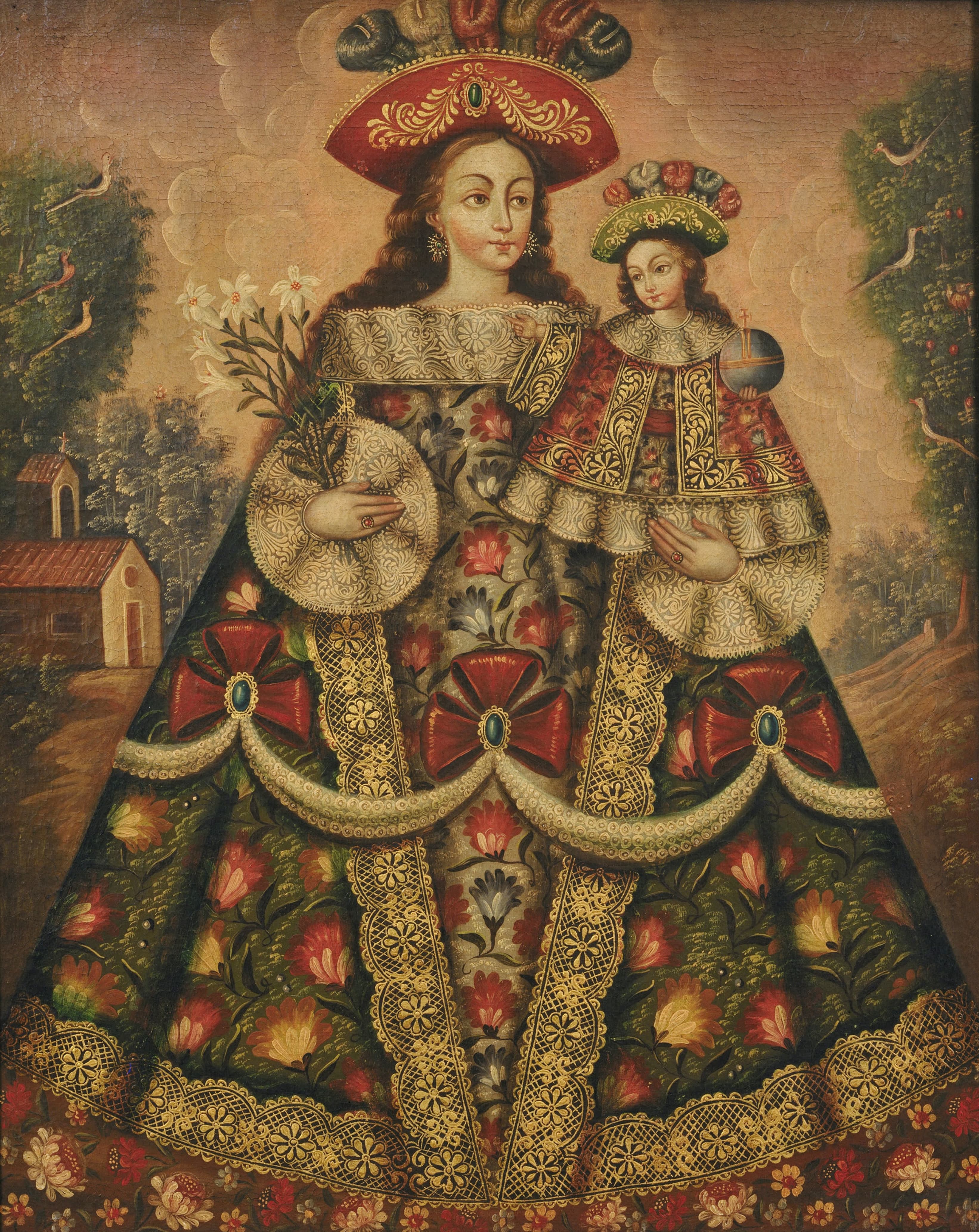
The Virgin of the Pilgrims and Child
A Cusco School Virgin that traveled as far as Jerusalem's Israel Museum.
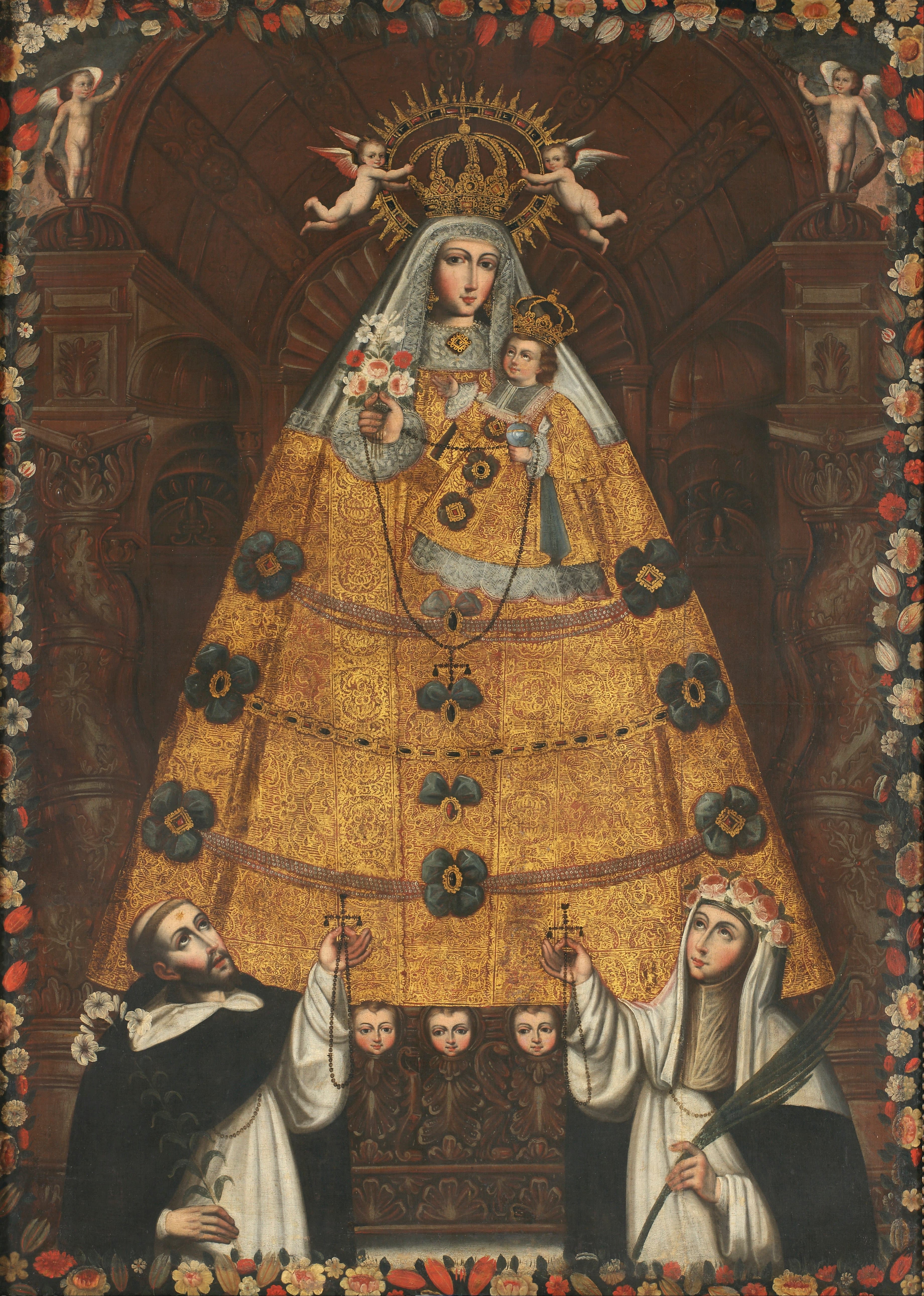
Our Lady of the Rosary, with Saint Dominic and Saint Rose
The Rosary Virgin flanked by the order that promoted her devotion and the Americas' own Dominican saint.
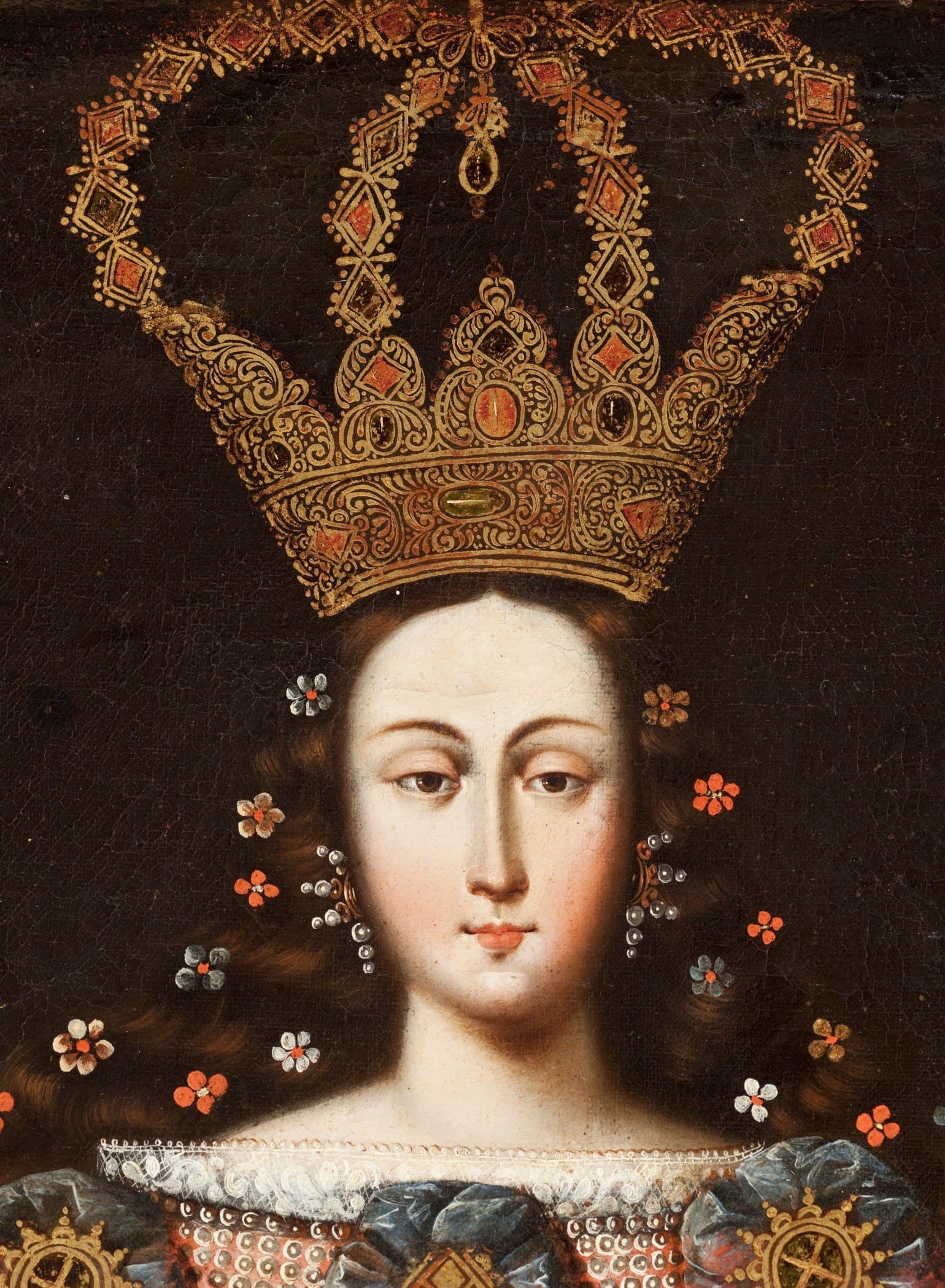
Virgin of Belén
Another nativity-themed Marian devotion, now held at the Los Angeles County Museum of Art.
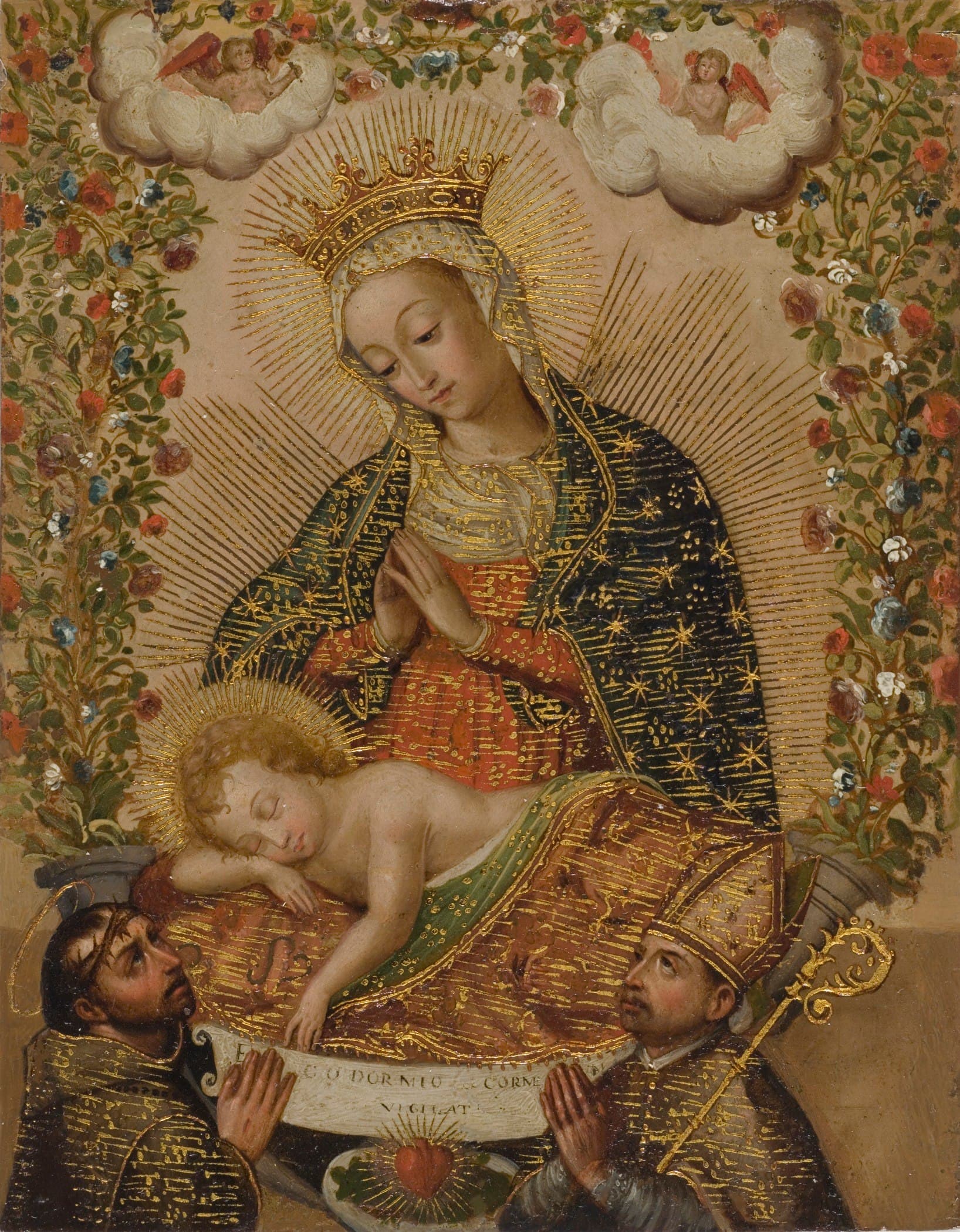
The Virgin Adoring the Christ Child, with Two Saints
A quieter, at-home Marian scene — Mary and two attendant saints gathered around the infant Christ.
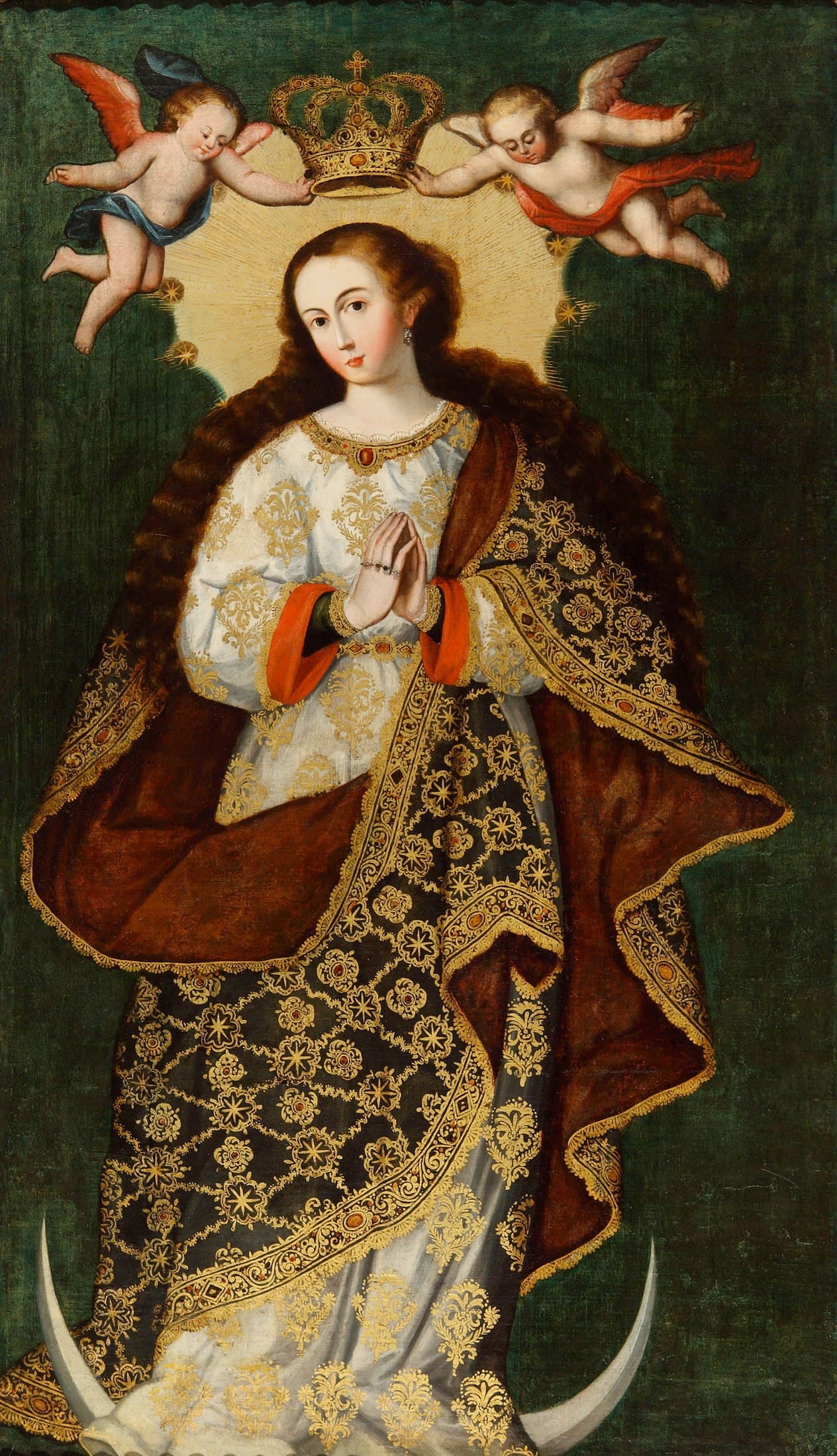
The Immaculate Conception
Mary crowned in gold and stars — a doctrinal image, not a shrine portrait.
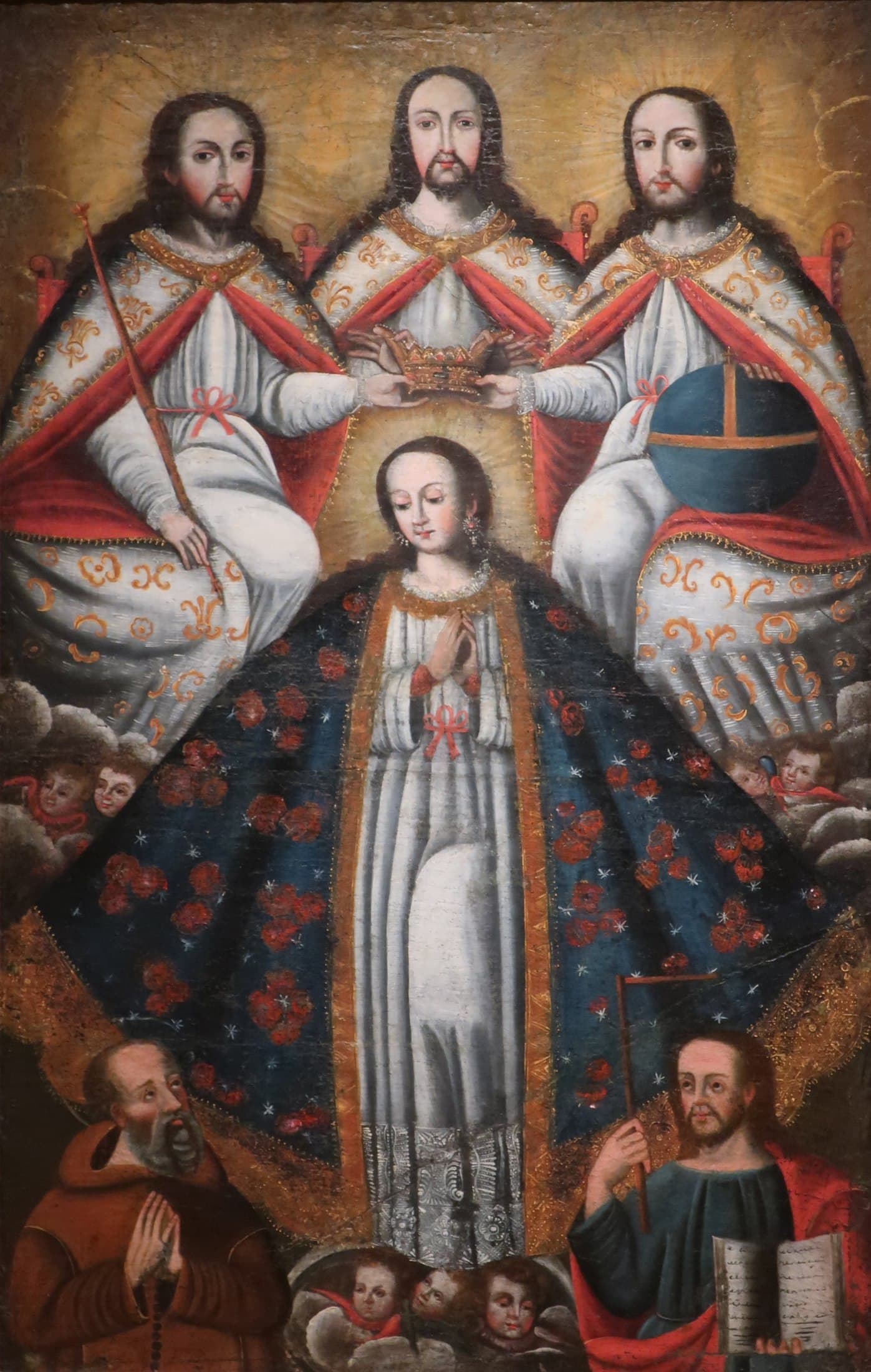
The Coronation of the Virgin by the Trinity
All three Persons of the Trinity crown Mary at once — one of the tradition's boldest compositions.
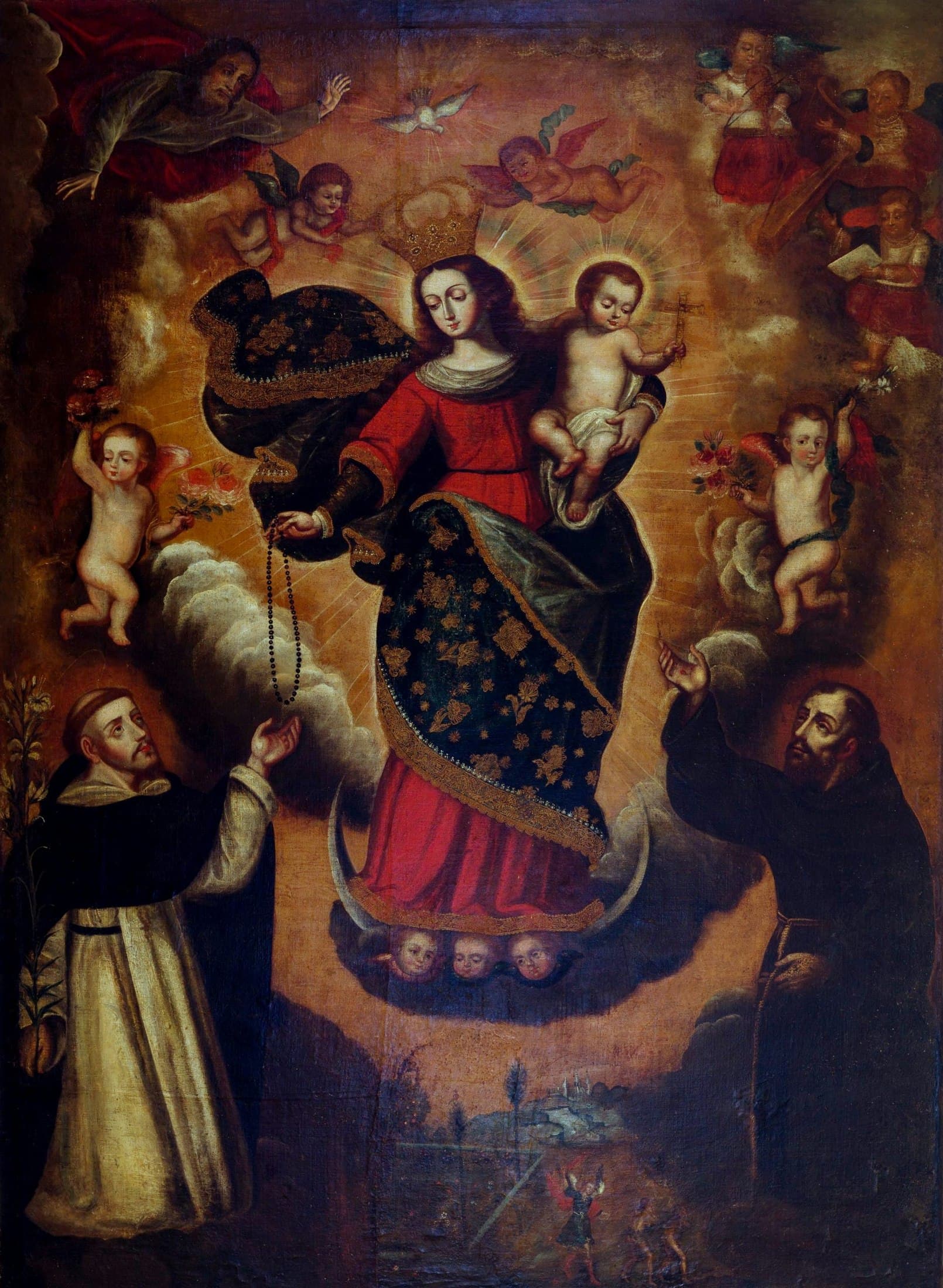
Our Lady of the Rosary
A Peruvian viceregal Rosary Virgin, now held in an Afro-Brazilian museum collection.
Quispe Tito & the Masters
Most Cusco School painting is anonymous — workshop production, unsigned. A handful of names survive: Diego Quispe Tito, an Inca nobleman who ran the largest studio in the city and painted the zodiac onto the walls of Cusco Cathedral; Basilio Santa Cruz Pumacallao, his contemporary; Bernardo Bitti, the Italian Jesuit who taught the first generation. Their surviving, attributed work is the closest thing this tradition has to auteurs.
View the collection page →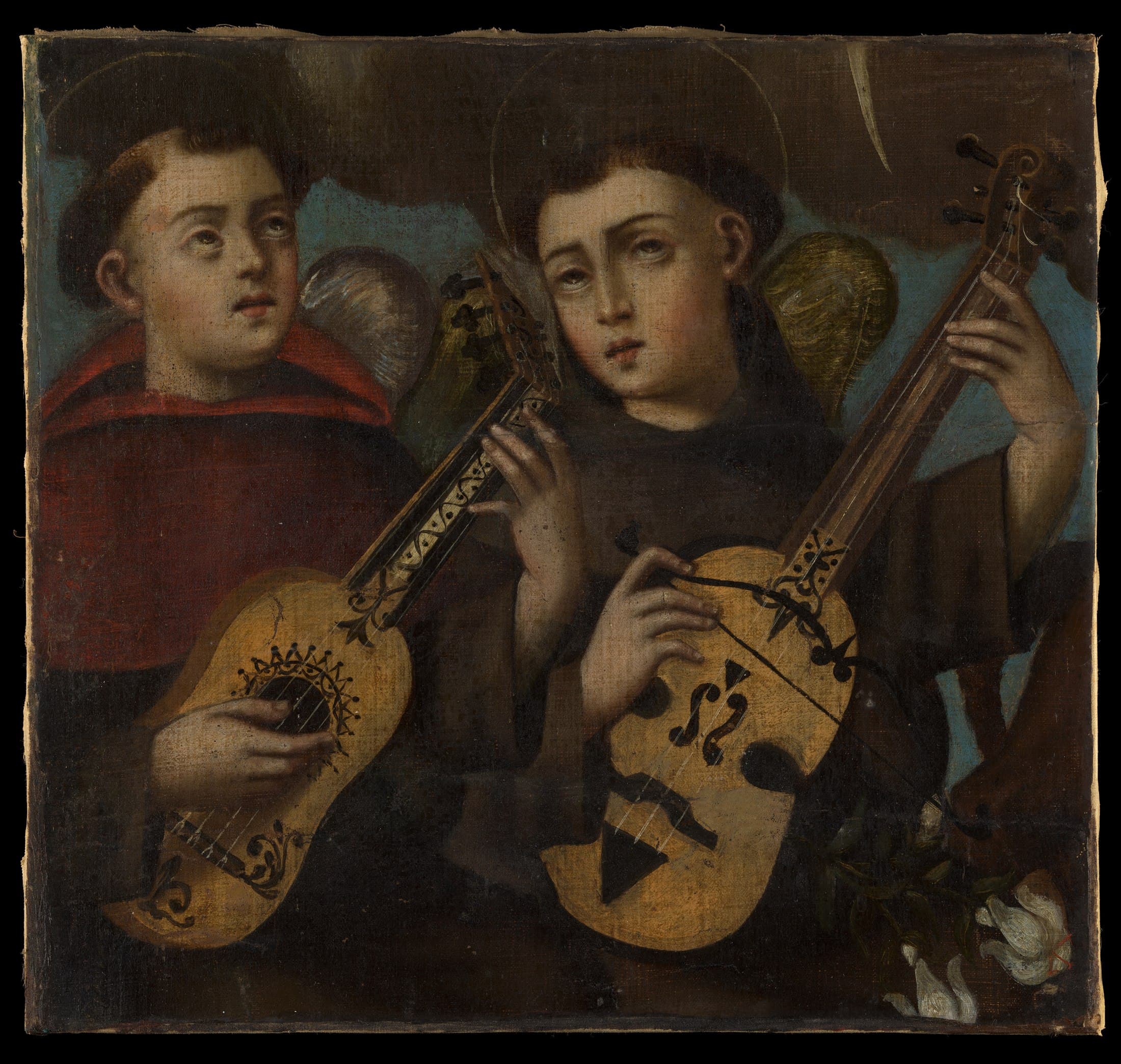
Saint Bonaventure and Saint Anthony of Padua
A rare signed-attribution Cusco School work, by one of its few named masters.

Seated Madonna with the Graduation of the García Brothers
A documented Marcos Zapata workshop piece — the master behind Cusco Cathedral's own Last Supper.
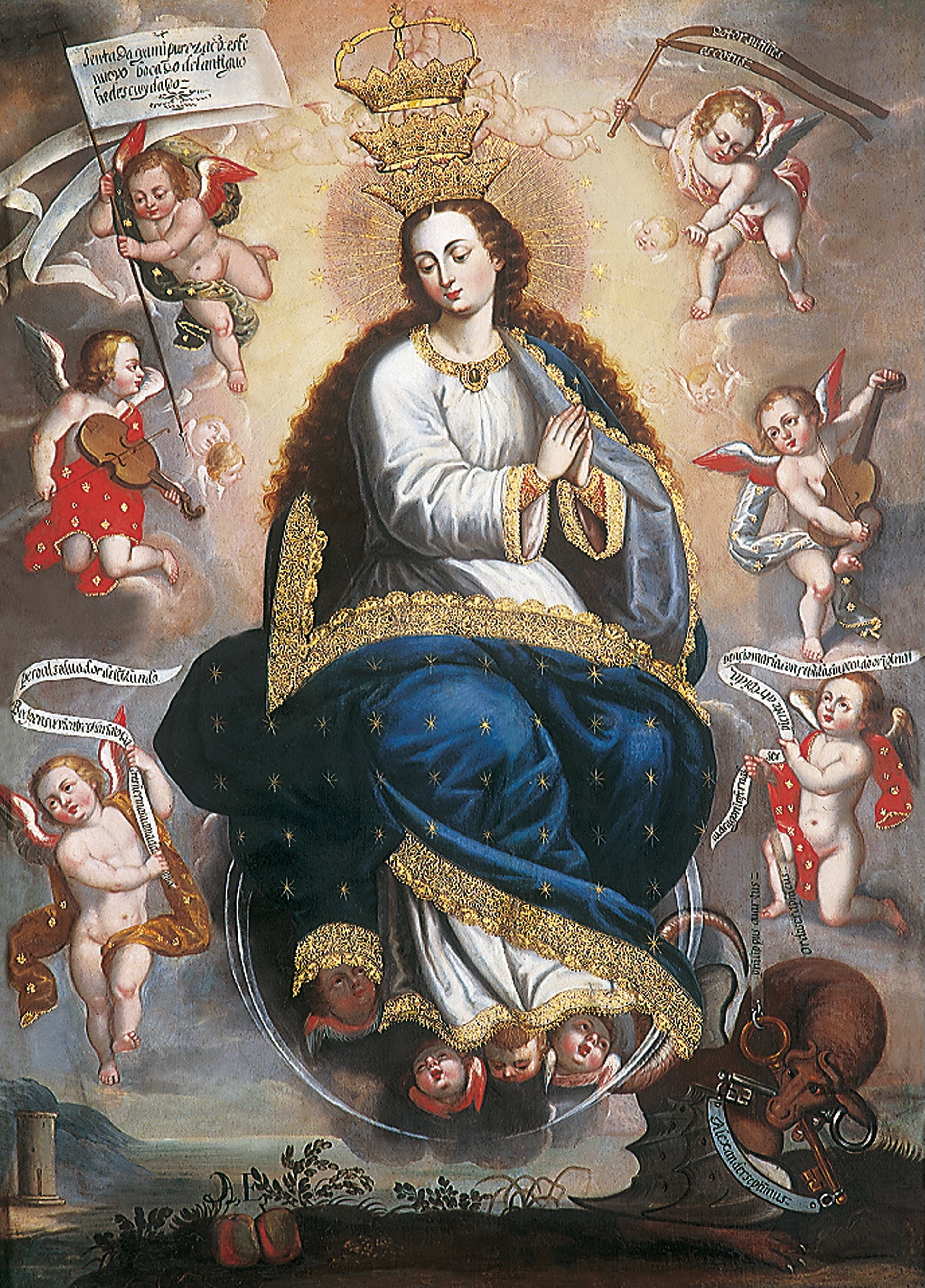
Immaculate Virgin, Victorious over the Serpent of Heresy
A second attributed work by Basilio Santa Cruz Pumacallao — militant Counter-Reformation theology in gold.
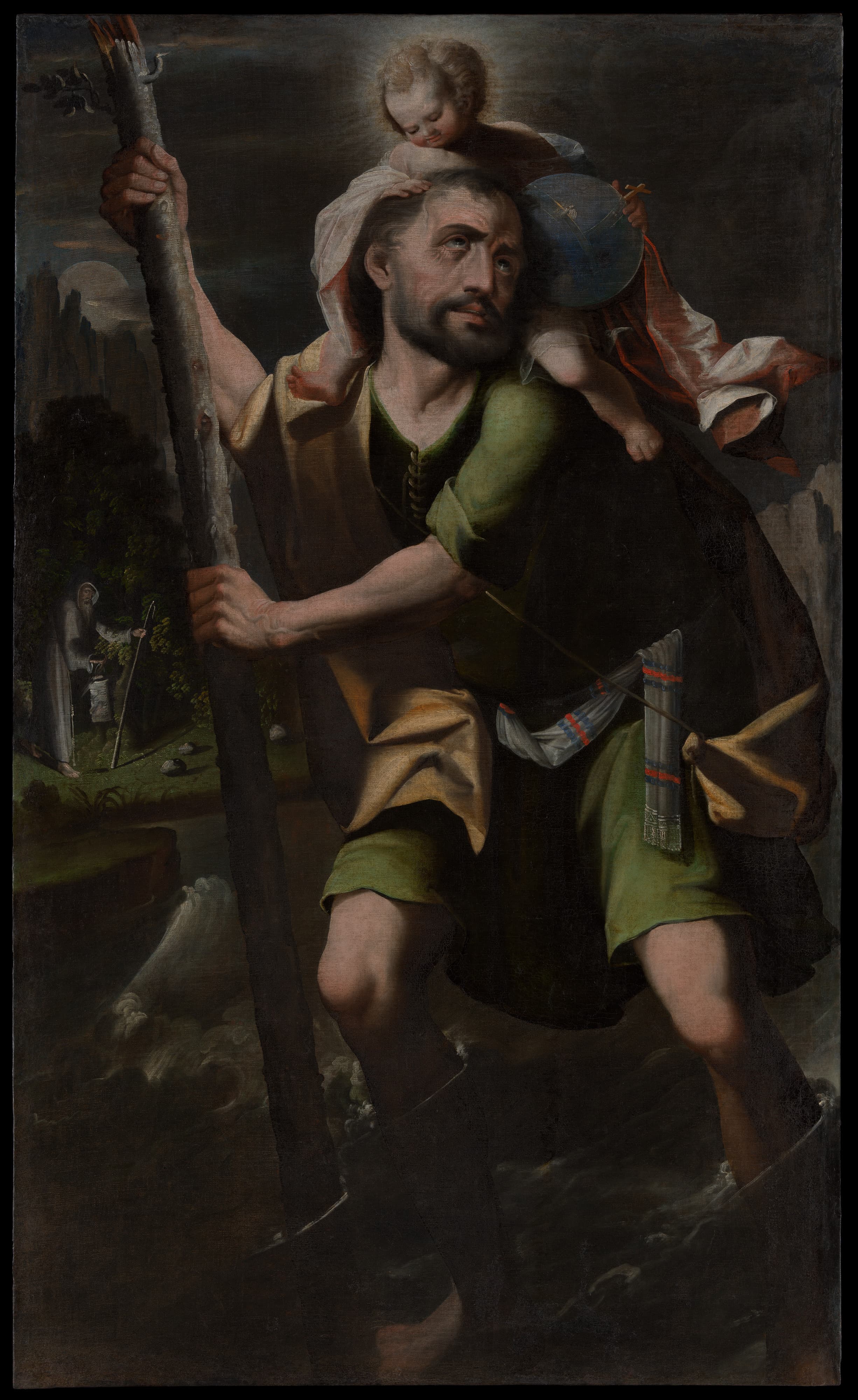
Saint Christopher
A rare attributed work by Melchor Pérez Holguín, Bolivia's own great colonial painter.
Saints, Corpus Christi & the Colonial World
The devotional life of colonial Peru, painted: the Corpus Christi procession that filled Cusco's plaza once a year, the local saints (Rose of Lima, Martín de Porres) who made sanctity American for the first time, and the private allegories — a fallen Christ, a folly emblem, a Genesis scene — that hung in homes rather than churches. This is the collection's widest lens on the world these paintings actually came from.
View the collection page →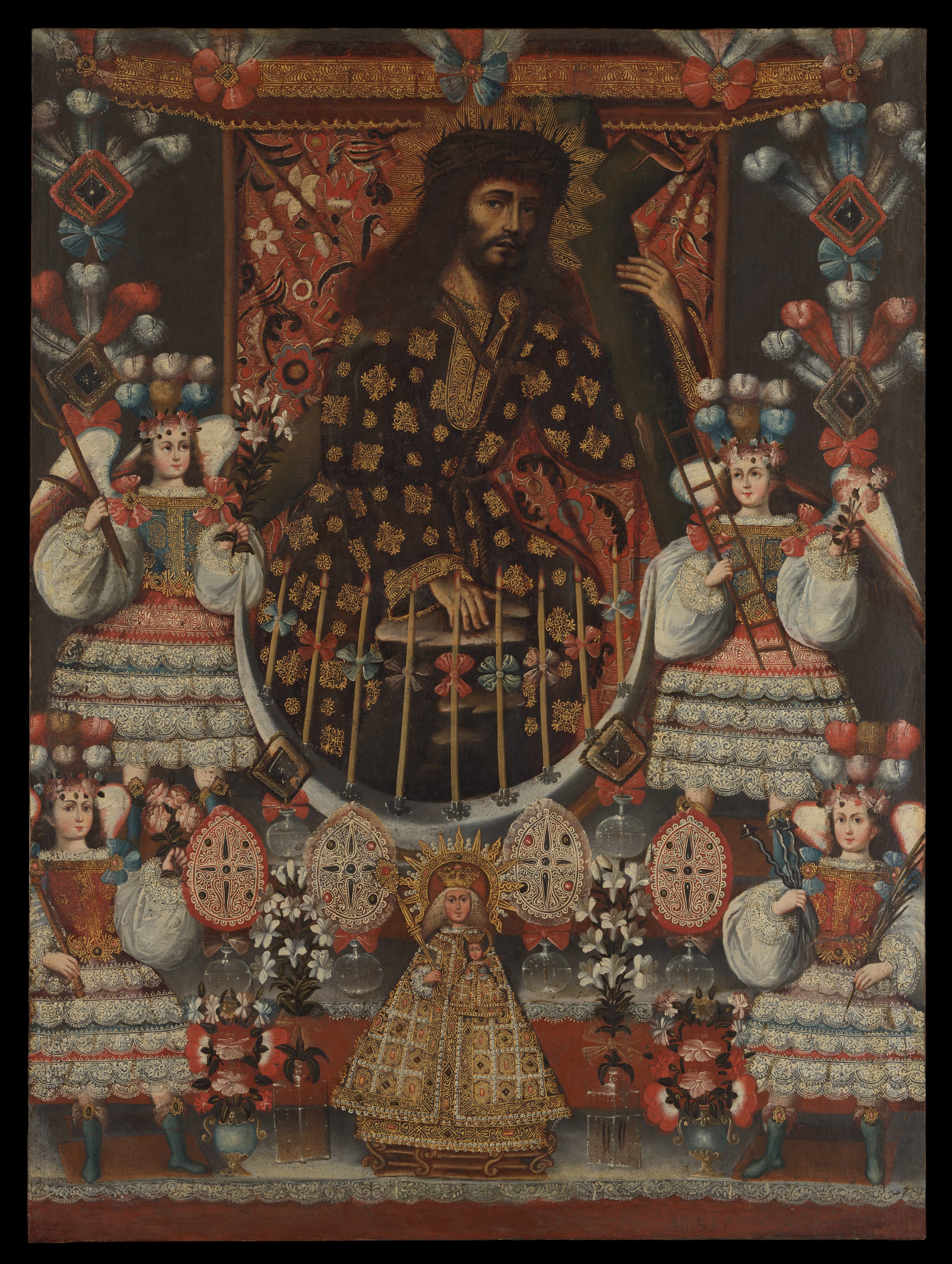
Christ Carrying the Cross, called "The Lord of the Fall"
Christ collapsed under the weight of the cross — one of the tradition's most devastating images.
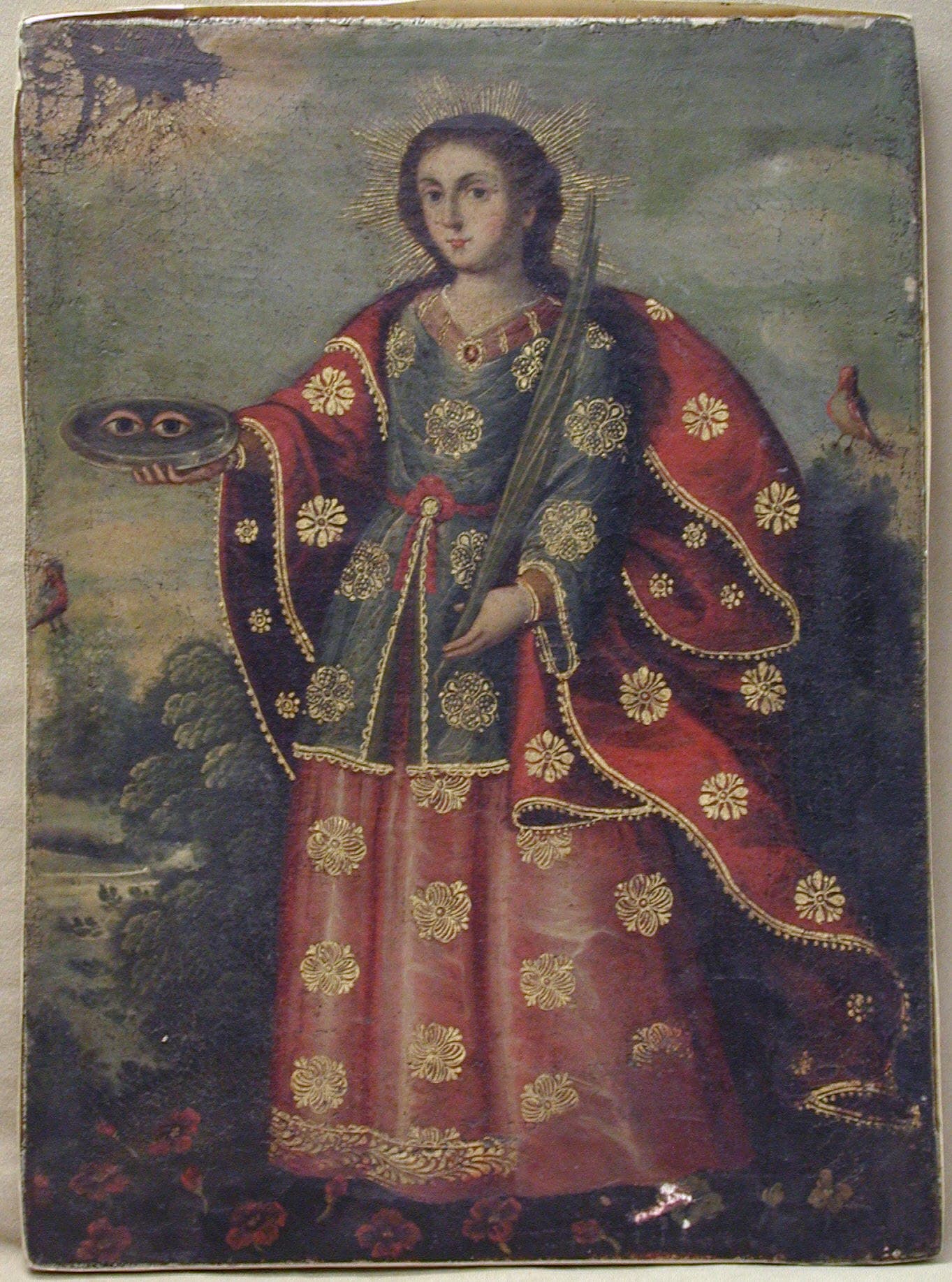
Saint Lucy
The martyr of Syracuse, patron of sight, carrying the eyes taken from her.
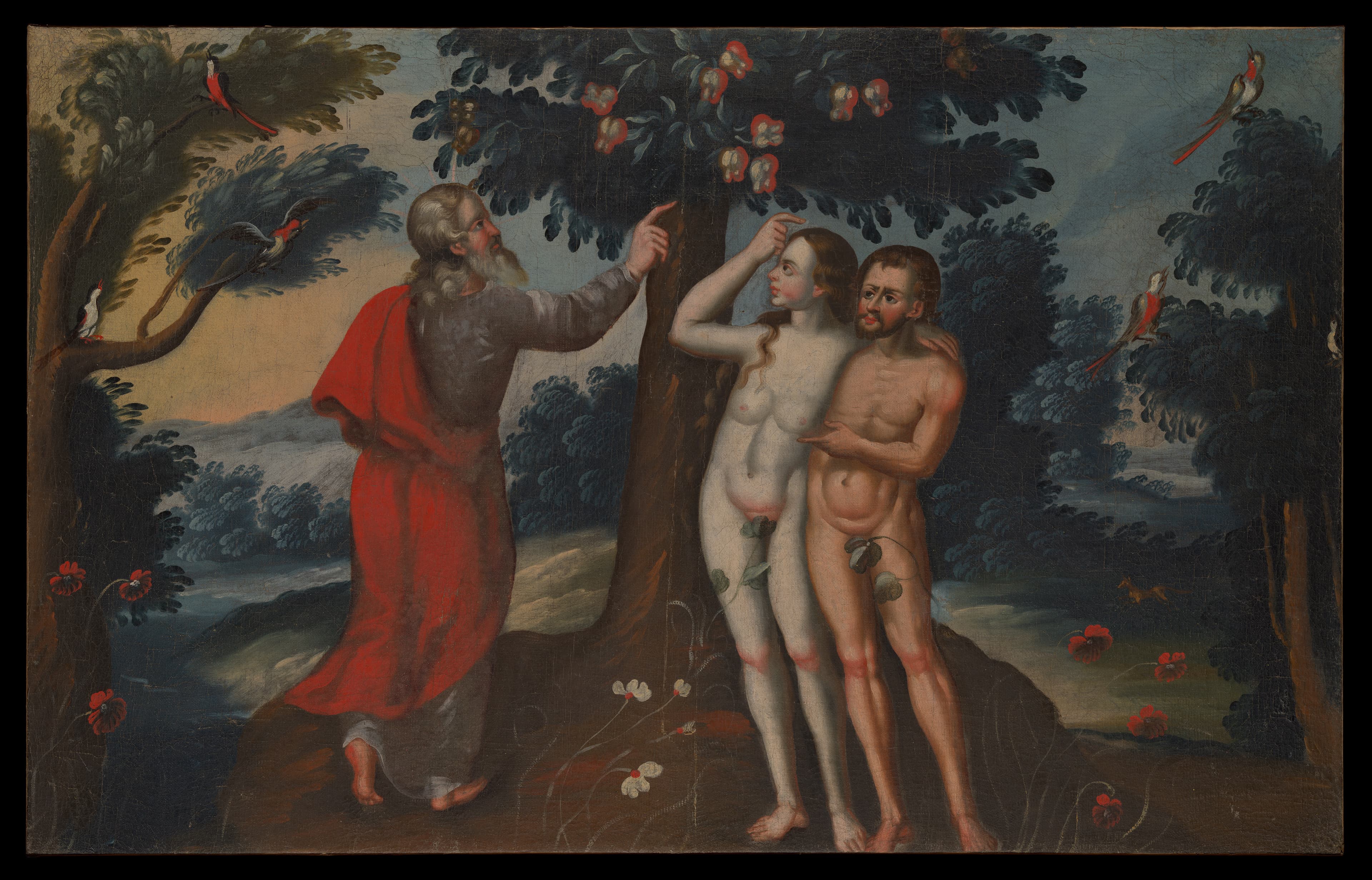
Adam and Eve in Paradise
Genesis, rendered as an Andean garden — the first sin, before the fall.
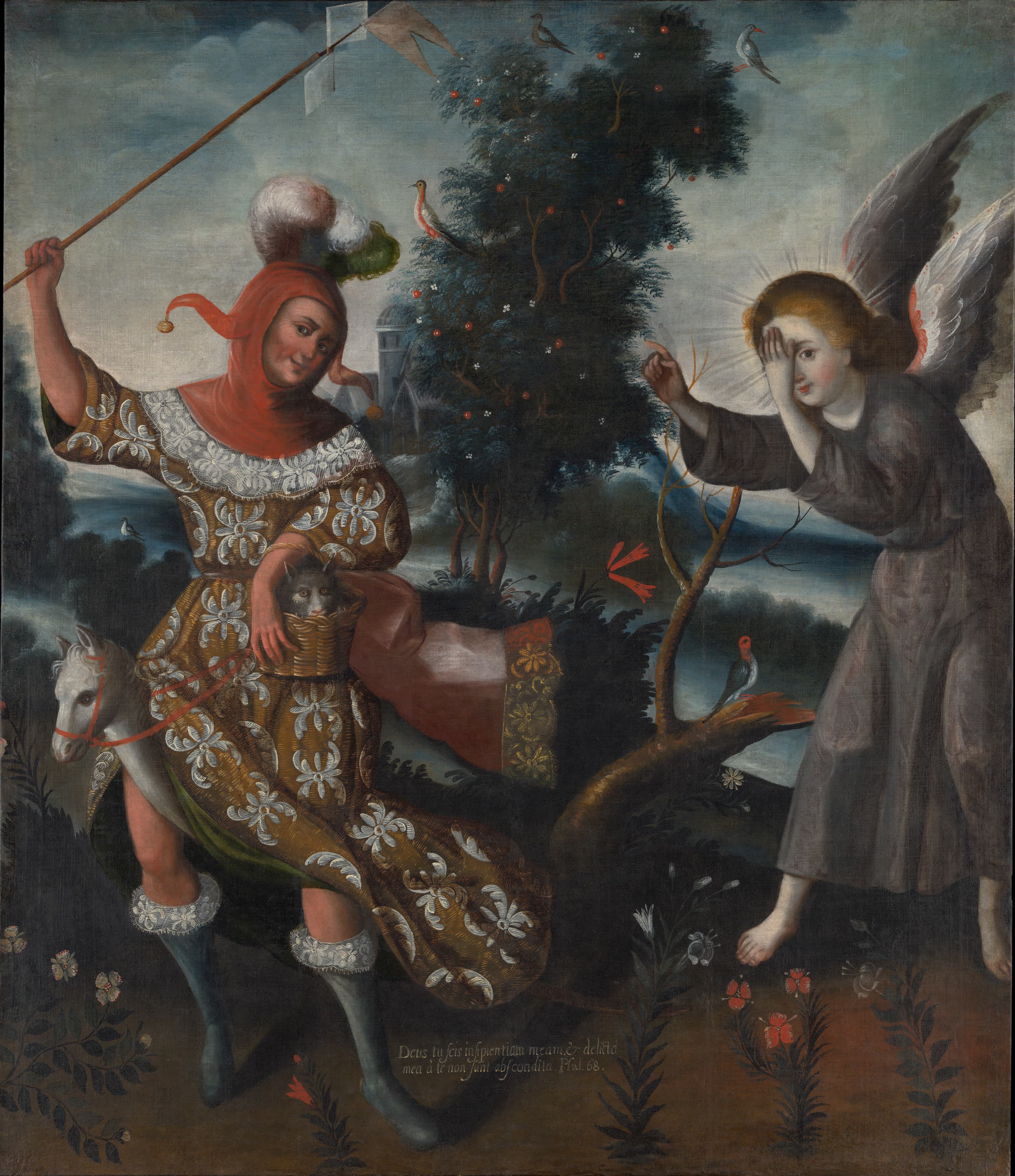
Emblem of Folly
A moral allegory from the private, non-religious side of Cusco School painting.
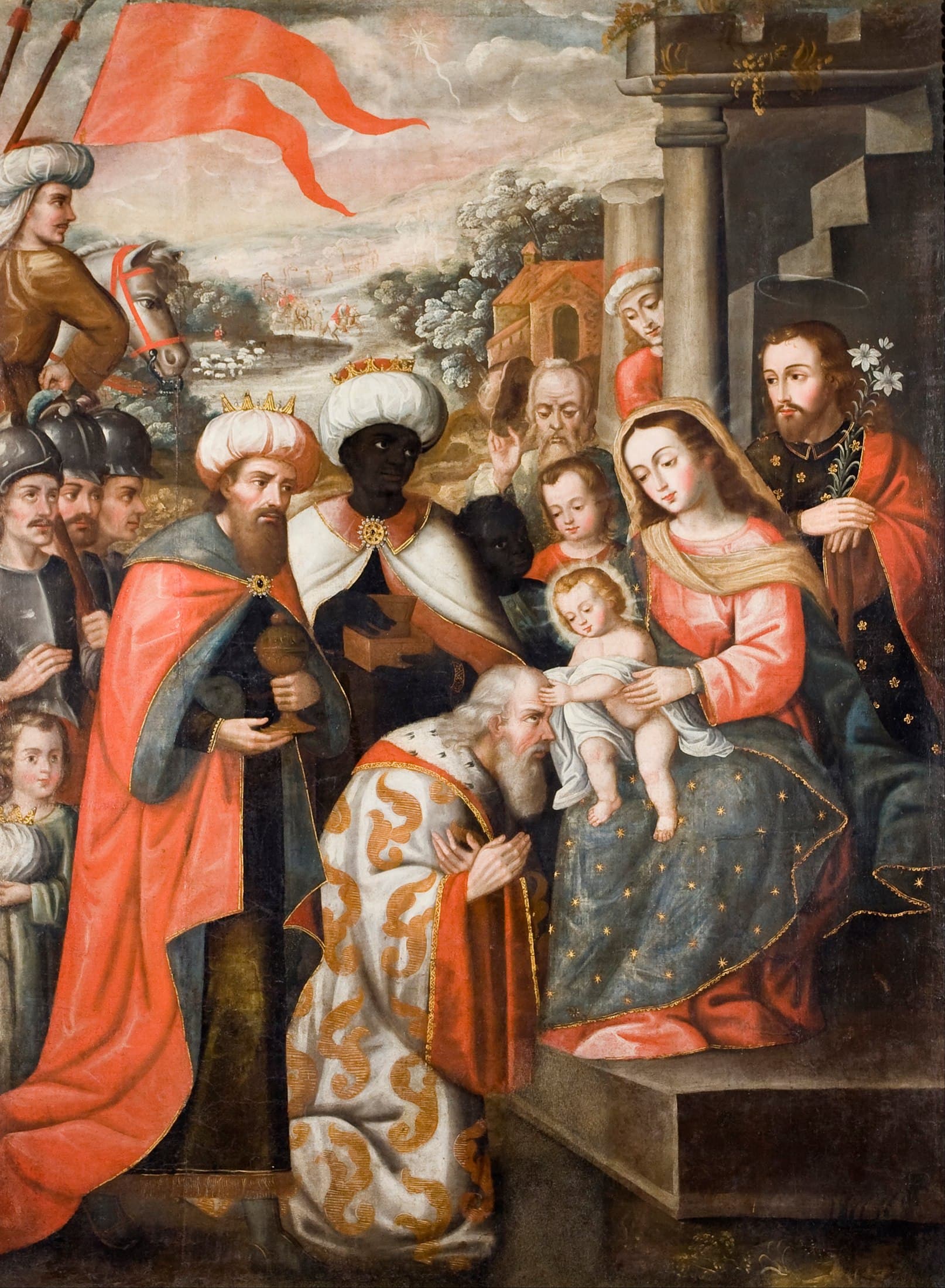
Adoration of the Magi
The three kings, painted with the same devotional intimacy the tradition gave its Marian icons.
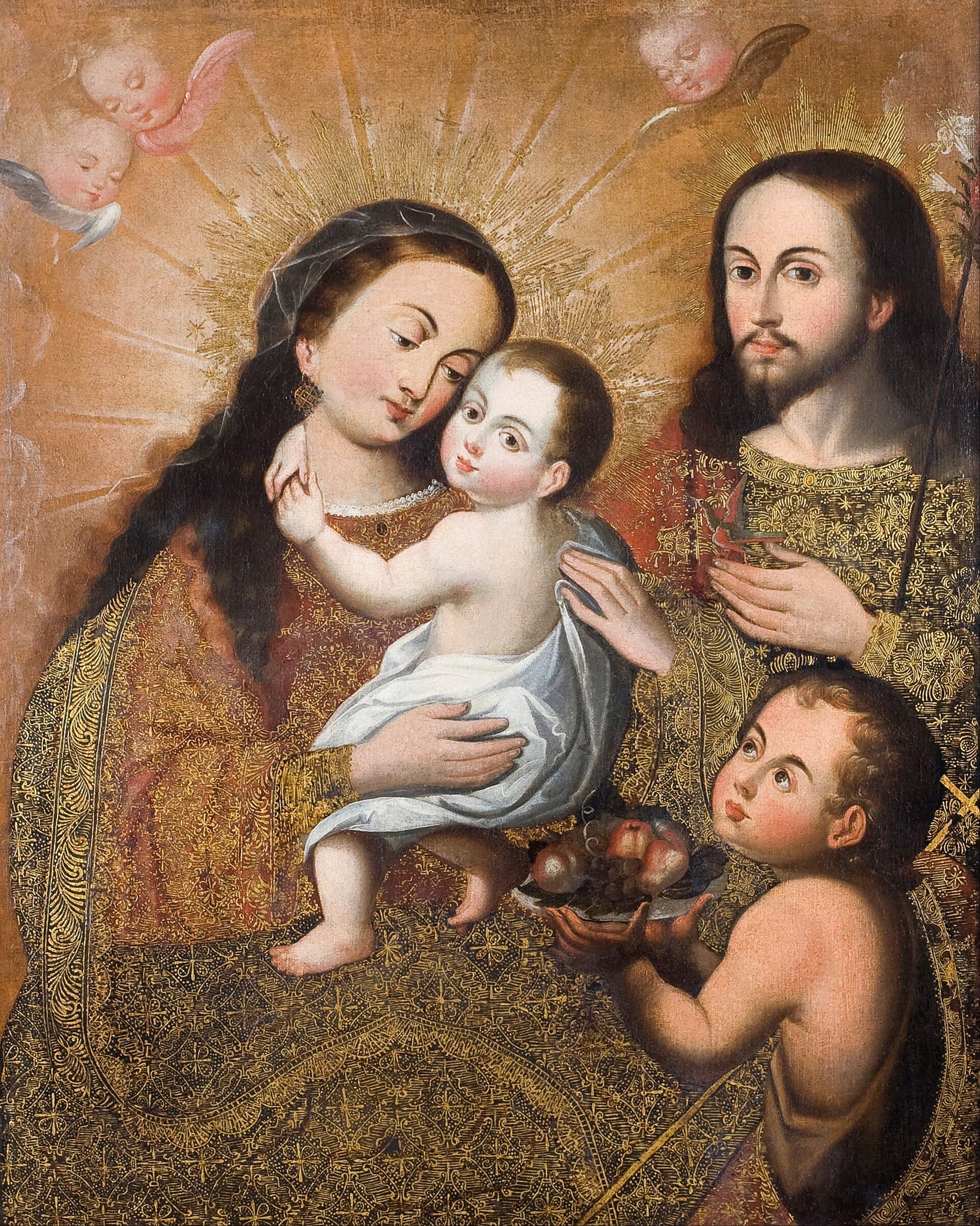
Holy Family with Saint John and a Goldfinch
A domestic Holy Family scene — the goldfinch a quiet, traditional omen of the Passion to come.
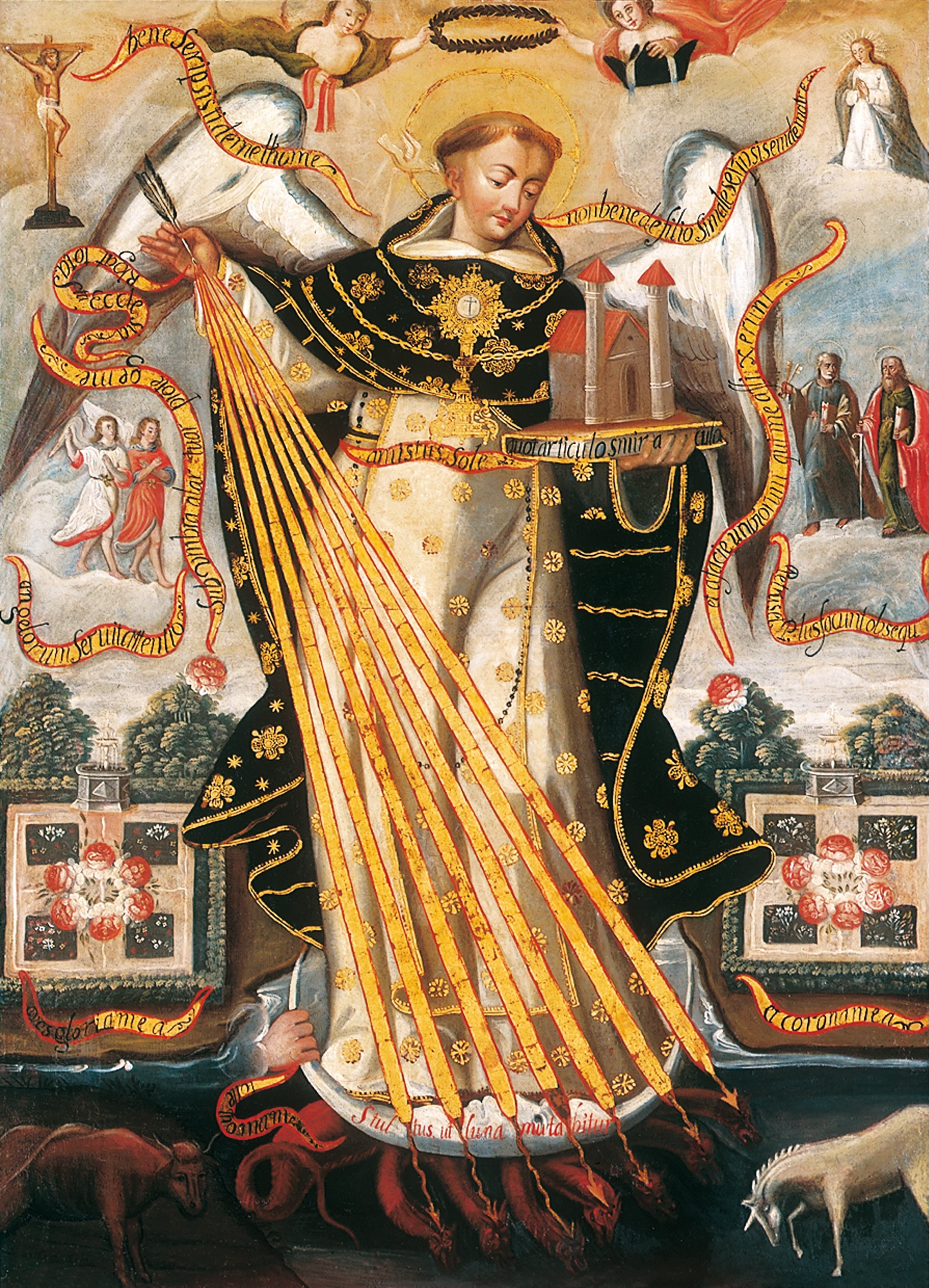
Saint Thomas Aquinas, Protector of the University of Cusco
The Dominican theologian, painted as the patron of the city's own colonial university.
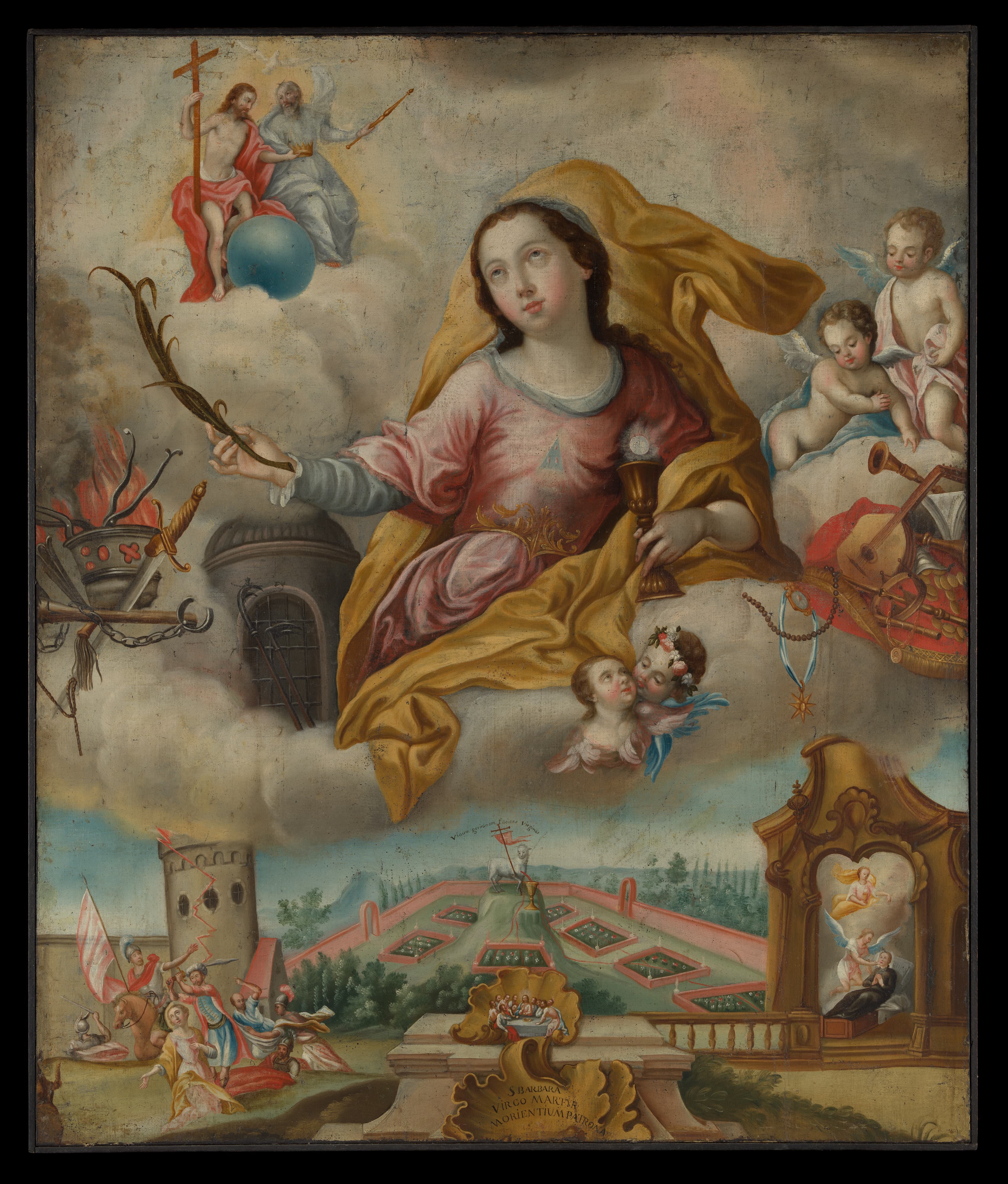
Saint Barbara
The patron saint invoked against sudden death and lightning, painted in Quito rather than Cusco.
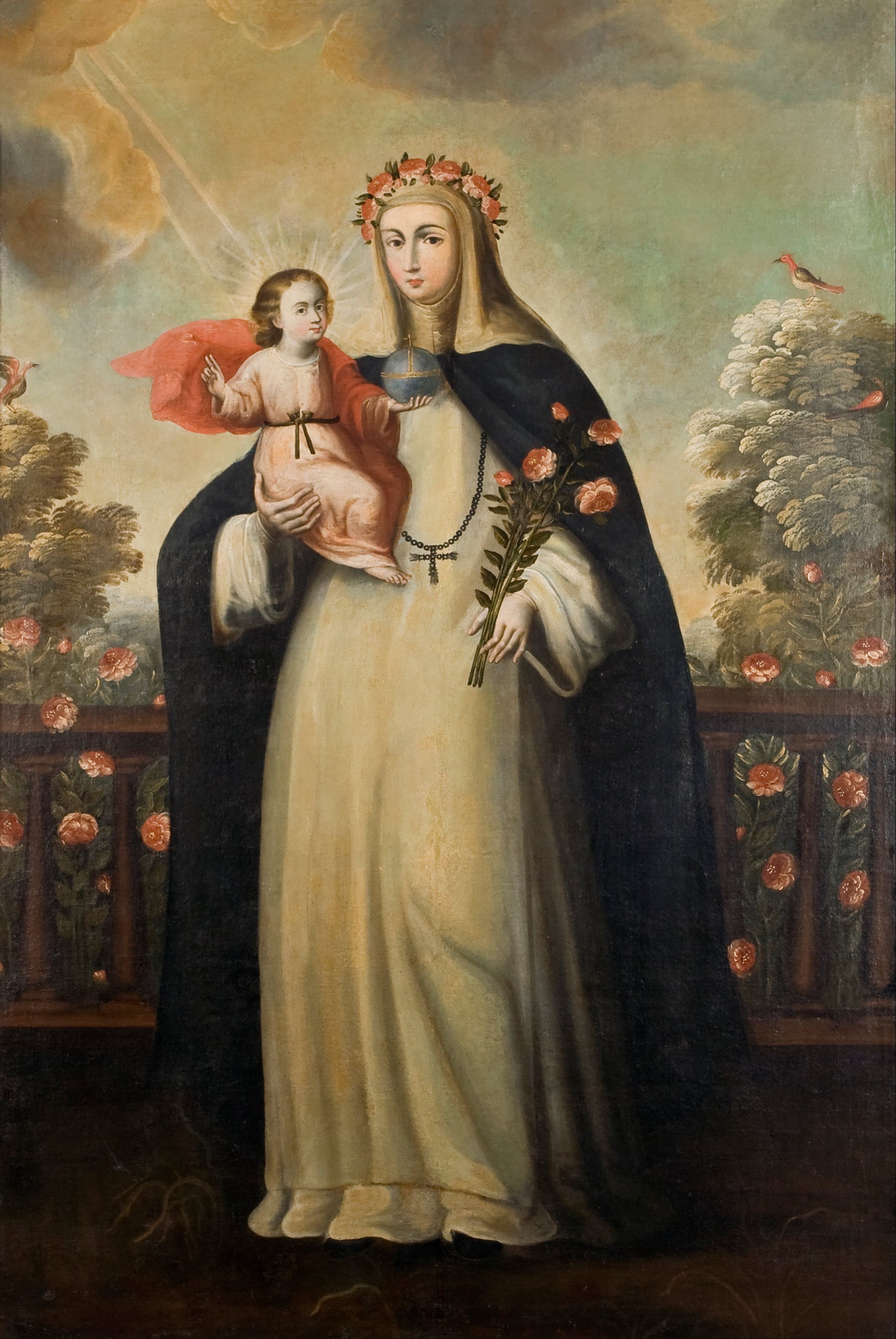
Saint Rose of Lima, with the Christ Child
The Americas' first canonized saint, shown in intimate scale with the infant Christ.
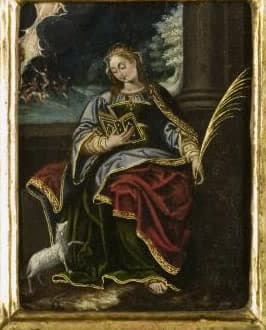
Saint Agnes
A young Roman martyr-saint, painted in colonial Peru and now held by the Hispanic Society of America.